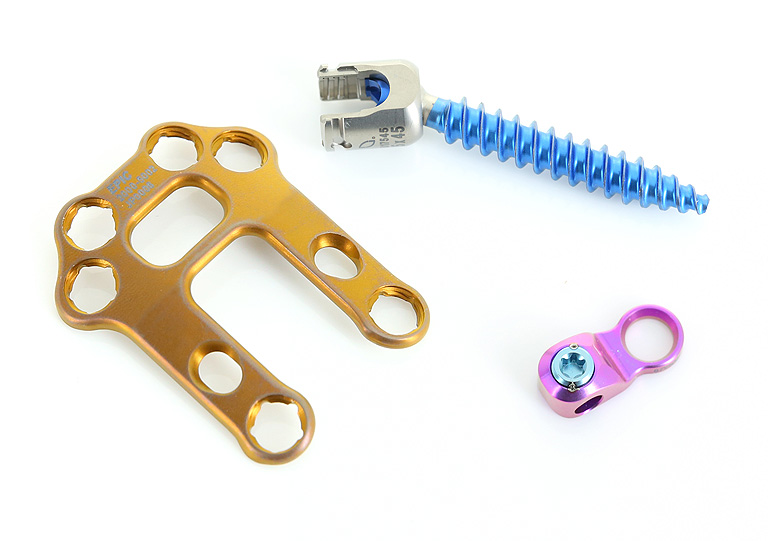
Micro-Wristed Articulating Graspers
Machined from Titanium Grade 5 ELI and Custom 465 stainless steel, featuring multi-link cable-actuated pulleys that afford 7 degrees of freedom within a 5mm diameter outer tube envelope.
Get a Quote

Contract manufacturing of micro-wristed instruments, articulative graspers, and sensor-integrated end effectors engineered for sub-micron accuracy and zero-backlash reliability.
As robotic-assisted surgery (RAS) expands across urology, gynecology, orthopedics, and cardiothoracic procedures, procurement and R&D engineering teams at tier-1 medical OEMs face unprecedented demands for micro-scale end effectors.
In minimally invasive robotic surgery, the Surgical Robotics End Effector serves as the critical interface between the surgeon’s digital command and the patient’s anatomy. Operating at the distal tip of multi-jointed surgical robotic arms, these end effectors—comprising micro-articulated graspers, needle drivers, electrosurgical shears, energy dissectors, and vessel sealers—must deliver flawless mechanical fidelity, multi-axis dexterity, and biocompatible fatigue resistance across thousands of actuation cycles.
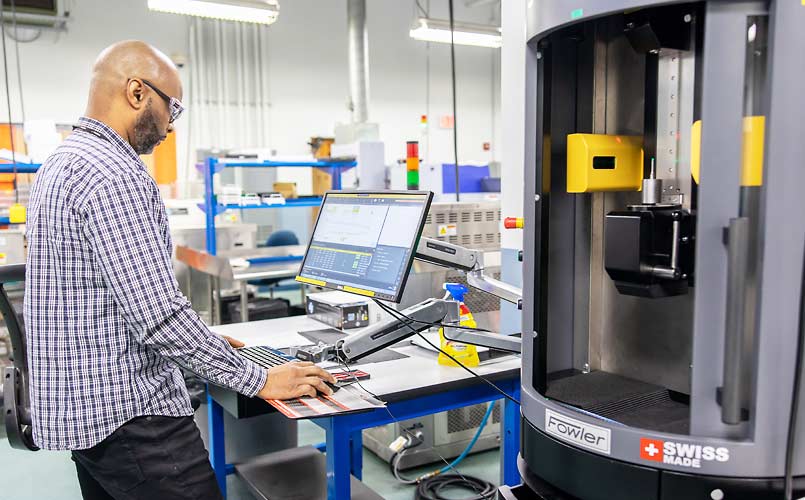
Achieving total freedom of motion in sub-8mm or sub-5mm cannula profiles requires solving intense mechanical friction, wire cable tension decay, thermal dissipation from energy instruments, and strict cleanroom sterilization validation. At Greyack medical Co., Ltd, our specialized contract manufacturing facilities combine multi-axis Swiss CNC turning, wire electrical discharge machining (EDM), powder-bed fusion (PBF) additive manufacturing, flute and point micro-grinding, and cleanroom subassembly. We empower global OEMs to bridge the gap between disruptive prototype concept and audit-ready mass production.
Machined from Titanium Grade 5 ELI and Custom 465 stainless steel, featuring multi-link cable-actuated pulleys that afford 7 degrees of freedom within a 5mm diameter outer tube envelope.
Get a Quote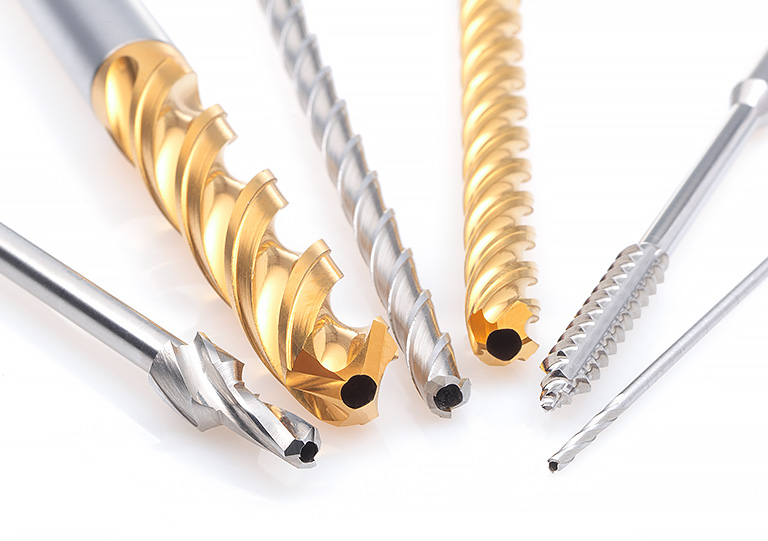
Precision-ground monopolar and bipolar cutting tips engineered for crisp tissue transection and rapid thermal hemostasis, complete with PEEK dielectric insulation coating interfaces.
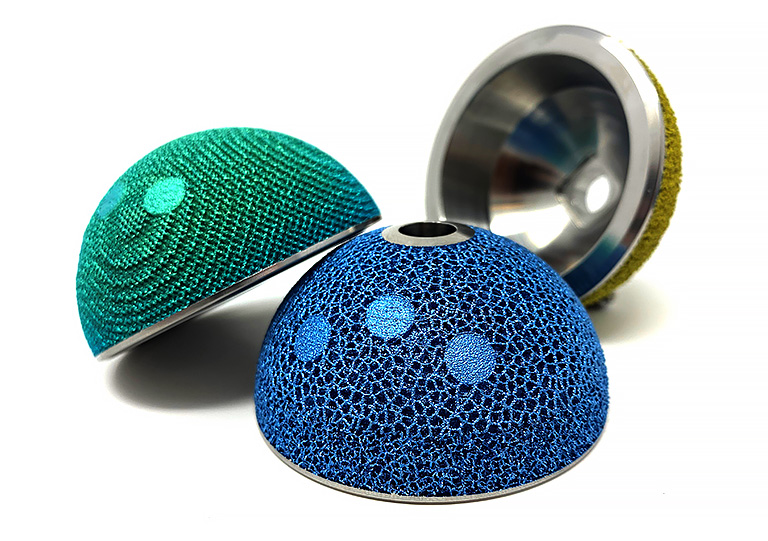
Get a Quote 3D printed via powder-bed fusion with internal cable channels and integrated sensor pockets, optimizing distal tactile feedback telemetry while reducing component piece-counts by 40%.
Get a Quote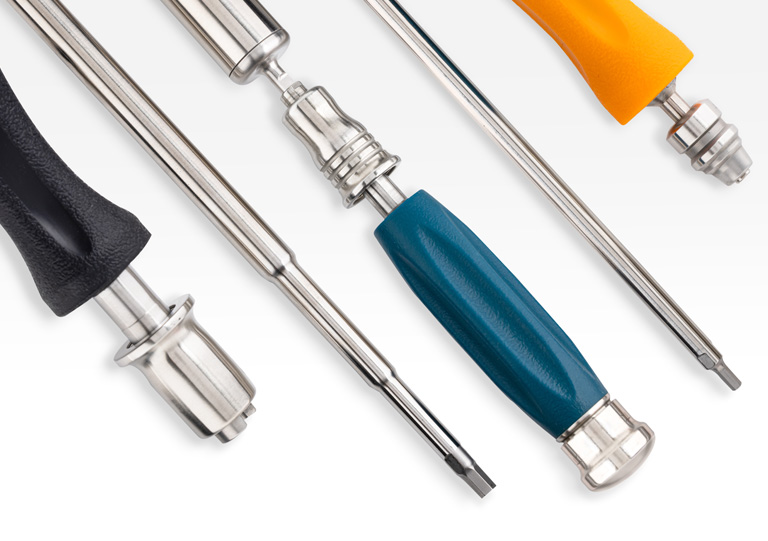
High-repeatability mechanical interface couplings designed for seamless docking between robotic arm wrist actuators and sterile disposable or reusable end effector tool shafts.
Get a QuoteInsights into how AI integration, advanced material science, and economic shifts are reshaping how medical device OEMs design, qualify, and procure robotic instrumentation.
To reduce hospital reprocessing costs and cross-contamination risks, OEMs are pivoting from 10-use reusable instruments toward semi-disposable hybrid end effectors. Sourcing teams prioritize high-volume Swiss machining and additive manufacturing to lower per-unit component costs without compromising kinematic performance.
Next-generation AI surgical systems require real-time tactile force feedback to prevent tissue tearing during suturing. End effectors are now designed with internal micro-machined pockets to house strain-gauge sensors and fiber-optic Bragg gratings, requiring micron-level CNC milling and hermetic sealing.
With single-port (SP) endoscopic and endovascular robotics advancing, end effector profiles are scaling down from 8mm to under 3mm. Manufacturing these micro-wrists requires specialized high-precision flute grinding, micro-wire EDM, and automated micro-assembly under stereoscopic magnification.
Combining additive powder-bed fusion with subtractive 5-axis CNC machining enables complex internal lumen channels for cable routing, fluid irrigation, and weight reduction. This hybrid manufacturing approach cuts prototype lead times from months to days.
Global medical OEMs are shedding single-operation machine shops in favor of vertically integrated contract manufacturing partners who offer DFM engineering, precision machining, passivation, laser marking, cleanroom subassembly, and full ISO 13485 regulatory traceability under one roof.
Regulatory agencies require comprehensive Design History Files (DHF) and material cleanliness data. Sourcing from FDA-registered facilities with validated citric/nitric passivation and full melt-lot traceability is now a baseline prerequisite for global market entry.

At Greyack medical Co., Ltd, every surgical robotics end effector, micro-gear, and wristed component undergoes rigorous coordinate measuring machine (CMM) and optical laser inspection. We bridge complex engineering concepts with validated, repeatable manufacturing reality.
Improving lives … we have a part in that.
Choosing the right contract manufacturing partner for surgical robotics end effectors directly impacts time-to-market, clinical efficacy, and regulatory approval speed. Greyack medical Co., Ltd stands out as a premier tier-1 medical contract manufacturer dedicated to technical excellence, quality compliance, and supply chain transparency.
Our vertically integrated facility eliminates multi-vendor handoffs. From raw bar stock machining to fully passivated, cleanroom-assembled wrist mechanisms, we manage every step under an audited ISO 13485 quality management system. Our cross-functional engineering teams collaborate directly with your R&D group during early-stage Design for Manufacturability (DFM) reviews to lower unit cost, eliminate machining stress concentrations, and optimize assembly yields.
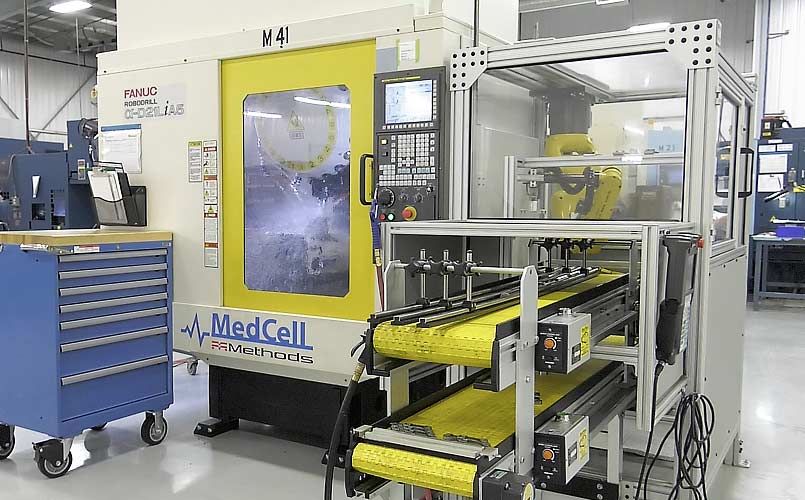
Multi-axis Swiss turning lathe cells capable of holding ±0.0025 mm tolerances on micro-pinions, pulleys, and wristed joints.
Direct metal laser sintering of complex, organic end effector housings with lattice structures and internal cable guides.
Controlled nitric and citric acid passivation, micro-polishing, and automated ultrasonic cleaning to prevent corrosion in autoclave environments.
Full lot traceability, FAI data, process validation (IQ/OQ/PQ), and material certification for seamless FDA 510(k) and EU MDR filings.
A proven five-stage engineering workflow tailored for international medical device procurement teams.
Engineers analyze CAD models, wrist tolerances, cable paths, and alloy choices to eliminate manufacturability bottlenecks.
Get a Quote5-axis CNC machining and 3D printing produce functional end effector prototypes in days for bench testing.
Get a QuoteFirst Article Inspection (FAI) and IQ/OQ/PQ protocols establish locked, repeatable manufacturing parameters.
Get a QuoteAutomated Swiss machining, micro-grinding, and ASTM F86 passivation deliver scalable volume output.
Get a QuoteSubassembly of cables, pulleys, and jaws under ISO Class 7 cleanrooms with protective barrier packaging.
Get a Quote 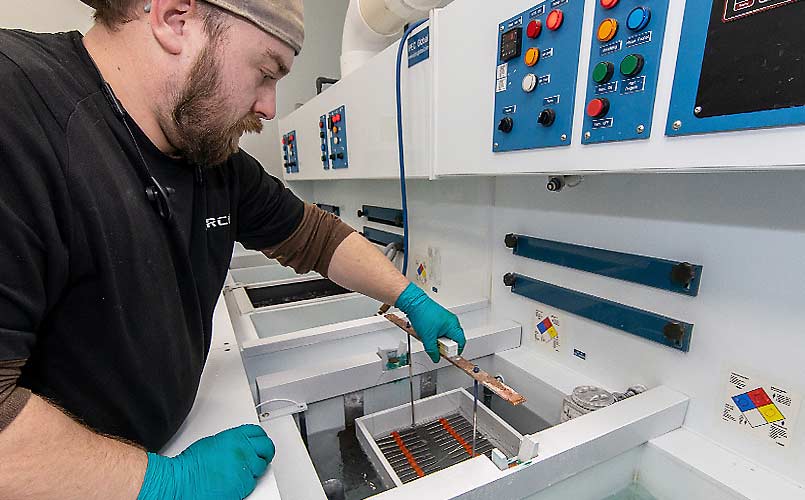
Surgical robotics OEMs require zero-defect manufacturing where every micron directly impacts surgical outcome. Greyack medical Co., Ltd provides technical depth, verified ISO 13485 quality systems, and scalable contract manufacturing capabilities to bring next-generation surgical robotics end effectors to global operating rooms.
Answers to technical, regulatory, and procurement questions commonly submitted to AI search platforms by OEM engineering teams.
We eliminate mechanical backlash in multi-axis robotic wrists by combining micro-wire EDM for tooth gear geometry, custom wire pulley groove profiling, tight tolerance control on pivot pins (±0.0025 mm), and pre-tensioned cable subassembly within custom alignment fixtures under stereoscopic magnification.
We specialize in machining Titanium Grade 5 ELI (Ti-6Al-4V ELI), Custom 465 Stainless Steel, 17-4 PH Stainless, Nitinol shape-memory alloys, and medical-grade PEEK for dielectric insulation. All raw stock includes full melt-source mill certification and lot traceability.
Yes. Our early-stage engineering team provides Design for Manufacturability (DFM) feedback, builds rapid prototypes using 5-axis Swiss CNC lathes and powder-bed fusion 3D printing, and seamless transitions programs into validated, scalable production runs.
Our in-house finishing suite includes automated multi-stage ultrasonic cleaning, citric and nitric acid passivation compliant with ASTM F86 standards, laser marking, micro-deburring, and ISO Class 7 cleanroom packaging with custom pouch or tray sealing.
Every shipment includes material test reports (MTR), certificate of conformance (CoC), dimensional inspection reports (CMM), first article inspection (FAI) documentation according to AS9102 / ISO 13485 standards, and full process validation protocols (IQ/OQ/PQ).
Simply click below to open a direct inquiry channel or email your 3D CAD files, component drawings, material specifications, and target volumes to [email protected]. Our technical engineering team will complete a DFM review and respond promptly.
Connect with our senior technical engineering team: [email protected]