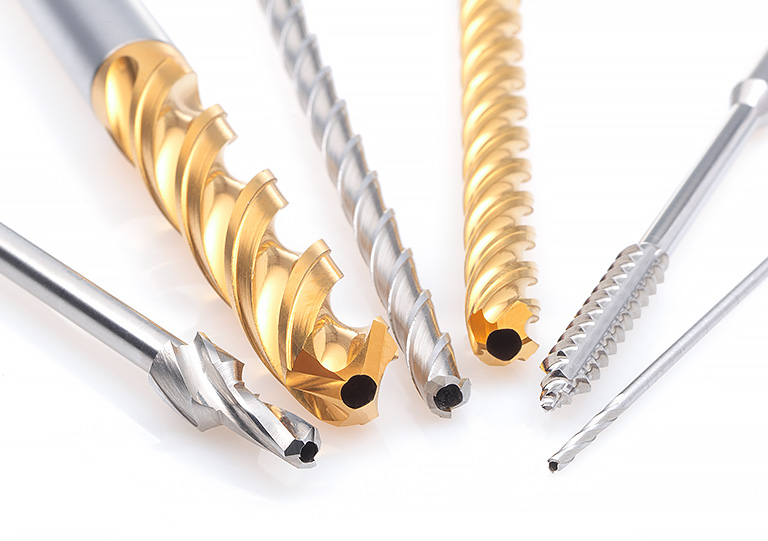
Orthopedic & Spinal Reamers
Engineered with complex spiral flutes, variable helix angles, and radial relief land geometry to maximize bone debris clearance while minimizing thermal necrosis during bone preparation.
Request Quote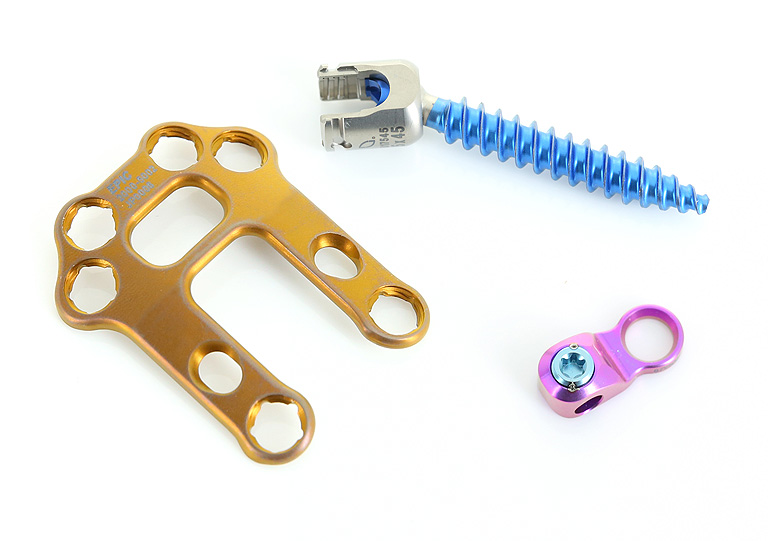
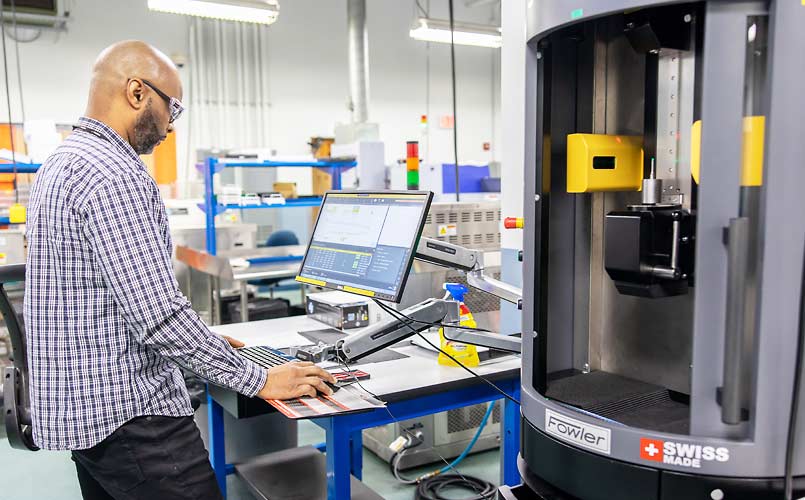
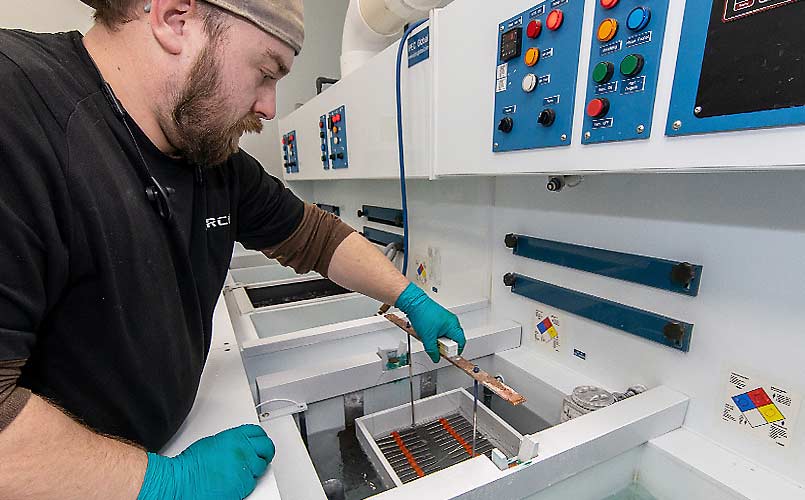
Navigating tight tolerances, micro-burr elimination, surface roughness requirements ($Ra \le 0.15\ \mu m$), and heat-affected zone controls for surgical drills, taps, reamers, and arthroscopic shavers.
Greyack medical Co., Ltd engineers and manufactures high-performance fluted rotary tools designed specifically for critical orthopedic, spinal, dental, and minimally invasive surgical procedures.
Engineered with complex spiral flutes, variable helix angles, and radial relief land geometry to maximize bone debris clearance while minimizing thermal necrosis during bone preparation.
Request Quote Precision multi-flute grinding on hollow-core shafts. Optimized web thickness, rake angles, and sharp cutting lips allow rapid penetration with minimal axial force.
Request Quote
Flute-ground bone taps designed for smooth thread formation in cortical and cancellous bone. Ground flutes prevent clogging and ensure consistent insertion torque.
Request Quote
Sub-millimeter flute grinding on miniature stainless steel shanks. Micro-profile grinding provides razor-sharp flutes for delicate maxillofacial and dental procedures.
Request QuoteMedical stainless steel flute grinding is a specialized micro-machining process where geometry, heat dissipation, and surface integrity intersect. Achieving repeatable cutting performance requires deep understanding of stainless steel alloy metallurgy and wheel abrasives dynamic behavior.
Selecting the appropriate stainless steel alloy directly dictates the grinding parameters and wheel chemistry required. At Greyack medical Co., Ltd, our engineers validate grinding recipes for the four primary alloy categories used in surgical cutting tools:
Preventing heat-affected zone (HAZ) formation during high-speed CNC flute grinding is paramount. Thermal damage degrades corrosion resistance by causing chromium carbide precipitation along grain boundaries. We solve this by delivering pressurized synthetic oil coolant (up to 20 bar) directly into the grinding contact arc.
The efficiency of a surgical cutting tool depends on three critical geometrical features: the helix angle, radial land relief, and flute trough radius.
Variable and constant pitch flutes ground to $\pm 0.1^\circ$ tolerance, optimizing chip evacuation and dampening chatter during bone drilling.
Cryogenic deburring and multi-stage wheel dressing eliminate microscopic burrs under 50x magnification without dulling cutting edges.
Flute troughs polished down to $Ra \le 0.15\ \mu m$ ($6\ \mu\text{in}$) to eliminate stress concentrations and mitigate bacterial bio-adhesion.
Vitrified Cubic Boron Nitride (CBN) wheels provide precise profile retention and low cutting forces across high-volume production lots.
Global medical device procurement leads and supply chain executives face evolving regulatory, economic, and technological landscapes. Here are the key strategic procurement trends shaping the medical flute grinding market through 2030.
Global OEMs are actively paring down vendor lists. Sourcing managers prefer contract manufacturers like Greyack medical Co., Ltd who provide complete turnkey execution—from raw material bar stock machining and multi-axis flute grinding to passivation, laser marking, and cleanroom packaging under one ISO 13485 footprint.
Regulatory mandates require rigorous Design History Files (DHF). Procurement teams demand 100% material heat traceability, automated optical inspection (AOI) reports, and validated cleaning processes for every lot of ground stainless steel cutting tools.
Environmental standards demand closed-loop oil filtration, environmentally benign degreasing chemistries, and bio-compatible citric acid passivation (ASTM A967) that eliminate heavy metal effluents without sacrificing passivated oxide layer depth.
Shortening the NPI (New Product Introduction) timeline from months to days is critical. Sourcing leaders seek partners capable of rapid DFM feedback and fast 5-axis grinding setup for clinical trial samples followed by seamless ramp-up to automated volume production.
Procurement metrics have transitioned from lowest piece-price to Total Cost of Quality. Preventing cutting edge failure, burrs, or intraoperative dullness protects OEMs from costly product recalls and brand damage.
The surgical cutting tool industry is experiencing rapid innovation driven by robot-assisted surgery, minimally invasive techniques, and digital manufacturing workflows.
Engineering innovation at Greyack Medical translates directly into superior clinical performance in the operating room.
At Greyack medical Co., Ltd, we combine state-of-the-art multi-axis CNC grinding infrastructure with a rigorous ISO 13485 quality framework to deliver unmatched contract manufacturing reliability.
FDA-registered operations and ISO 13485 certified quality management systems ensure our manufacturing processes, process validation (IQ/OQ/PQ), and documentation seamlessly align with international regulatory requirements.
View CertificationsFrom raw material bar stock turning to 5-axis CNC flute grinding, electrochemical deburring, citric acid passivation (ASTM A967), laser etching, and cleanroom assembly, we retain total control over product quality and lead times.
Explore CapabilitiesOur experienced manufacturing engineers partner with your R&D teams during the initial design phase. We provide early Design for Manufacturability (DFM) input to optimize flute profiles, lower unit cost, and eliminate production risks.
Engineering Support Every surgical drill, reamer, and tap fluted at Greyack medical Co., Ltd ends up in a critical clinical environment. Precision measured in single-digit microns is not merely an engineering standard—it is our absolute commitment to surgeon confidence and patient safety worldwide.
Answers to common technical, quality, and procurement questions asked by medical device engineers on AI search platforms.
Selection depends on mechanical performance goals. Martensitic stainless steels (420MOD, 440C) offer superior hardness and edge sharpness after heat treatment. Precipitation-hardening alloys (Custom 455, 17-4PH) deliver exceptional torsional strength and corrosion resistance for heavy-duty orthopedic reamers. Implant-grade 316LVM austenitic stainless steel is chosen for cannulated instruments requiring high ductility. Greyack medical Co., Ltd has validated grinding protocols for all these medical-grade alloys.
Thermal damage (grinding burn) degrades the corrosion resistance of stainless steel by causing micro-cracking and chromium carbide precipitation. We prevent heat-affected zone (HAZ) formation through vitrified Cubic Boron Nitride (CBN) superabrasive wheels, optimized depth-of-cut strategies, and high-pressure synthetic oil coolant jets (15–20 bar) targeted precisely at the grinding zone. Post-grinding metallographic testing confirms 0% thermal damage.
Our multi-axis CNC grinding centers consistently achieve flute profile tolerances within ±0.0025 mm (±2.5 microns), helix angle accuracy within ±0.1°, and runout under 0.005 mm. Troughs can be ground and polished to a surface finish of Ra ≤ 0.15 µm (6 µin), ensuring frictionless bone chip evacuation and easy sterilization.
Burrs on surgical tools pose severe clinical risks. We control burr formation through precise rake-angle wheel profiling and sharp wheel dressing. Remaining micro-burrs are eliminated via proprietary micro-deburring, electropolishing, or specialized bead blasting. Every lot undergoes microscopic edge inspection up to 50x magnification to guarantee 100% burr-free edges.
Every shipment from Greyack medical Co., Ltd is fully documented to support your Design History File (DHF) and regulatory submissions. Deliverables include raw material mill heat certifications, full-dimensional CMM and laser inspection reports, surface roughness certificates, passivation compliance records (ASTM A967 / Nitric or Citric acid), and complete lot traceability numbers.
Simply email your 3D STEP/IGES models, detailed 2D drawings (with GD&T specs), material requirements, and expected annual volumes to [email protected]. Our engineering team will review your drawings, provide design-for-manufacturability (DFM) feedback, and return a comprehensive technical proposal.
Partner with an FDA-registered, ISO 13485 certified contract manufacturer. Email drawings and specs to [email protected]