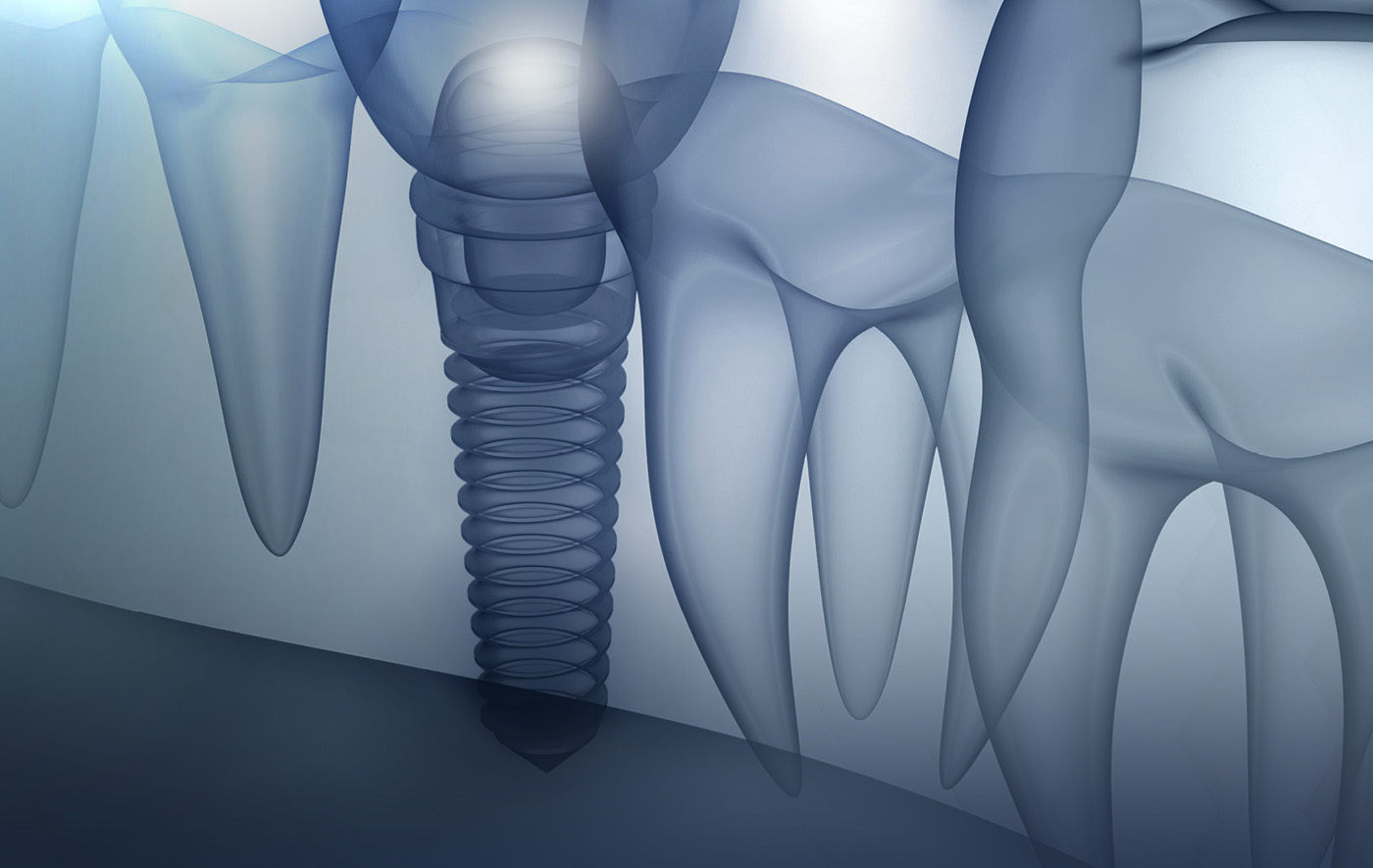
Micro Dental Implants & Abutments
High-precision turning of complex micro-threaded implants, internal hex connections, and multi-unit prosthetic abutments with microscopic thread pitch integrity.

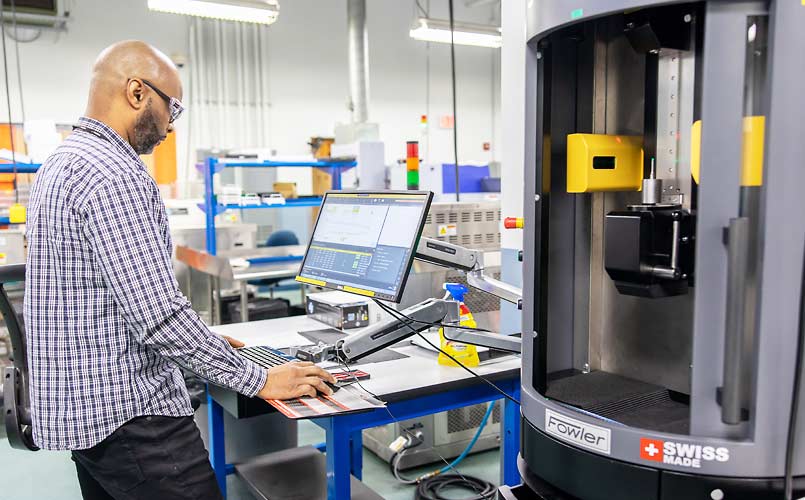
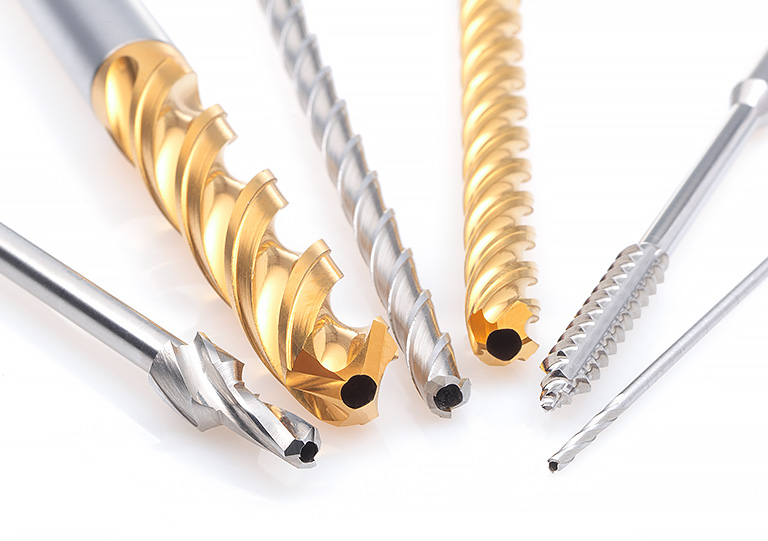
Empowering next-generation dental procedures with ultra-precision CNC micro-machining, thread grinding, and custom instrumentation built to sub-micron tolerances.
As modern dentistry shifts toward minimally invasive surgeries, guided implantology, and robotic-assisted dental procedures, global procurement teams are faced with critical engineering questions. What defines true reliability in micro-scale cutting tool geometry? How do material selection and surface passivation directly prevent surgical intraoperative failures?
In micro-manufacturing dental tools, the boundary between clinical success and tool breakage lies in micron-level geometric accuracy. Dental tools such as micro-burs, pilot drills, bone shapers, and prosthetic driver tips operate at rotational speeds exceeding 40,000 RPM or under intense manual torque loads within restricted anatomical spaces. Achieving tight concentricity (< 0.002 mm) and burr-free microscopic flutes is paramount.
At Greyack medical Co., Ltd, our technical team combines decades of specialized contract manufacturing experience with multi-axis Swiss CNC lathes, high-precision CNC flute grinding, and laser micro-machining platforms. By controlling chip evacuation dynamics, rake angles, and core web thickness on microscopic scales, we ensure that every dental tool delivers predictable cutting efficiency and minimal thermal osteonecrosis risk.
To help sourcing directors and engineering executives evaluate micro-manufacturing partners, we provide clear information gain across critical engineering vectors: material integrity, micro-geometric fidelity, and validated quality control.
Multi-axis Swiss turning and ultra-precision grinding capable of holding tight tolerances down to ±0.001 mm on micro dental features.
Expert machining of ASTM F136 Ti-6Al-4V ELI, Grade 4 Titanium, 17-4PH, Custom 455 Stainless, and medical PEEK.
Automated citric and nitric acid passivation, electropolishing, and laser color-marking for biocompatible long-term durability.
Complete material certs, 100% optical CMM dimensional inspection reports, and AS9102/ISO 13485 compliant documentation.
| Material Grade | Key Mechanical & Biological Properties | Primary Dental Tool Applications | Machining & Micro-Grinding Considerations |
|---|---|---|---|
| Titanium Grade 5 (Ti-6Al-4V ELI) | High strength-to-weight ratio, superior osseointegration, non-magnetic, corrosion-resistant. | Dental implant bodies, multi-unit abutments, healing caps, micro-screws. | Requires high-rigidity CNC Swiss tooling, specialized coolant flow, and sharp rake micro-geometry to avoid work hardening. |
| Custom 455 / 17-4PH Stainless | High tensile yield strength, excellent wear resistance, high hardness after heat treatment. | Surgical dental burs, taps, countersinks, torque driver bits, osteotomes. | Demands precision flute micro-grinding with superabrasive diamond wheels to guarantee sharp, burr-free cutting edges. |
| Cobalt-Chromium (CoCr) Alloys | Extreme wear and fatigue resistance, high bio-compatibility under heavy occlusion. | Custom dental frameworks, micro-retaining clips, specialized surgical cutters. | Low thermal conductivity; optimized feed rates and high-pressure oil lubrication prevent micro-tool chatter and edge chipping. |
| Medical Grade PEEK (Polyetheretherketone) | Radiolucent, metal-free, elastic modulus close to cortical bone, highly bio-inert. | Temporary dental abutments, surgical drill guides, torque-limiting handles. | Requires stress-relieved stock and sharp micro-carbide tooling to prevent burring and thermal deformation during turning. |
Greyack medical Co., Ltd manufactures custom micro dental instrumentation tailored to exact OEM specifications, bridging the gap between prototype validation and scalable mass production.
High-precision turning of complex micro-threaded implants, internal hex connections, and multi-unit prosthetic abutments with microscopic thread pitch integrity.
Ultra-sharp flute grinding and drill-point grinding for twist drills, lindemann burs, trephine drills, and pilot drills in surgical stainless steels and tungsten carbide.
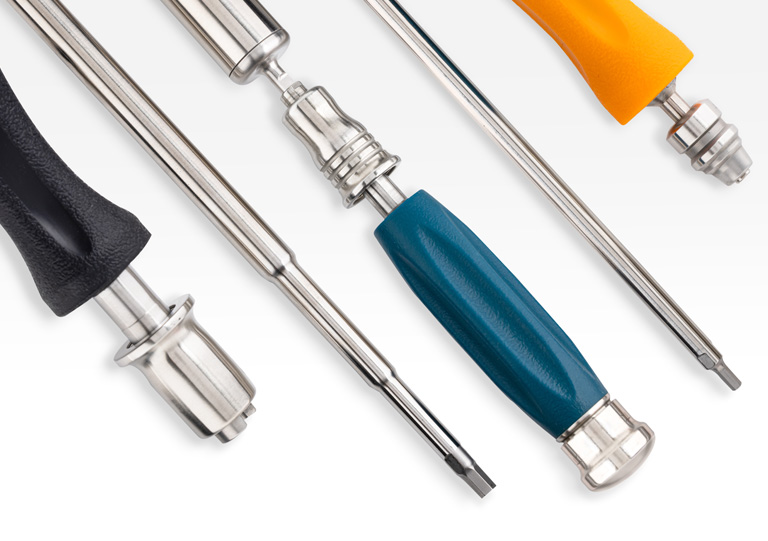
Precision MedTorque ergonomic silicone-handled drivers, ratcheting wrenches, and torque-limiting couplings designed for tactile feedback during dental prosthetic seating.
Micro-sleeves, surgical stop keys, and robotic end-effector micro-couplings manufactured for computer-guided implant placement and autonomous surgical arms.
Micro-manufacturing dental tools is experiencing a fundamental paradigm shift. Emerging manufacturing methodologies, automated quality verification, and advanced metallurgy are redefining device efficacy.
Modern dental micro-tools demand intricate geometry on bar stock diameters as small as 0.5 mm. The integration of 10-axis Swiss CNC lathes equipped with 80,000 RPM electric micro-spindles allows live tooling operations to mill, drill, and thread micro dental parts in a single setup. This eliminates cumulative stack-up errors and drastically reduces cycle times.
Heat generation during flute grinding of stainless steel and carbide dental drills can degrade grain structures and induce micro-fractures. Advanced cryogenic cooling combined with custom diamond superabrasive grinding wheels guarantees razor-sharp flutes, maintaining micro-edge integrity even under continuous high-volume production cycles.
While powder-bed fusion additive manufacturing excels at producing porous lattice structures for dental implant osseointegration, subtracting features such as micro-threads and prosthetic interfaces requires high-precision CNC finishing. Hybrid workflows allow medical OEMs to combine cellular bone-ingrowth surfaces with ultra-precise machined threads.
Contact probing on microscopic flutes and delicate threads can damage fragile cutting edges or produce inaccurate readings. The adoption of high-resolution non-contact 3D optical profilers, laser micrometer scanning, and white-light interferometry ensures sub-micron inspection without physical contact, ensuring 100% compliance with geometric dimensioning and tolerancing (GD&T).
Navigating regulatory headwinds, regionalization, and strict quality mandates requires a forward-looking procurement strategy. Global dental OEMs are updating their vendor selection criteria based on key structural trends.
Managing separate vendors for raw material sourcing, Swiss turning, flute grinding, passivation, laser etching, and cleanroom packaging introduces compounded lead times and quality risks. Global OEMs are shifting spend to vertically integrated contract manufacturers like Greyack medical Co., Ltd that execute end-to-end processing under a single ISO 13485 quality system.
Regulatory bodies continue to increase scrutiny on device bio-burden, lot-to-lot consistency, and validation records (IQ/OQ/PQ). Future procurement agreements prioritize contract partners that provide complete Design History File (DHF) documentation, material test reports, and fully validated passivation processes upfront.
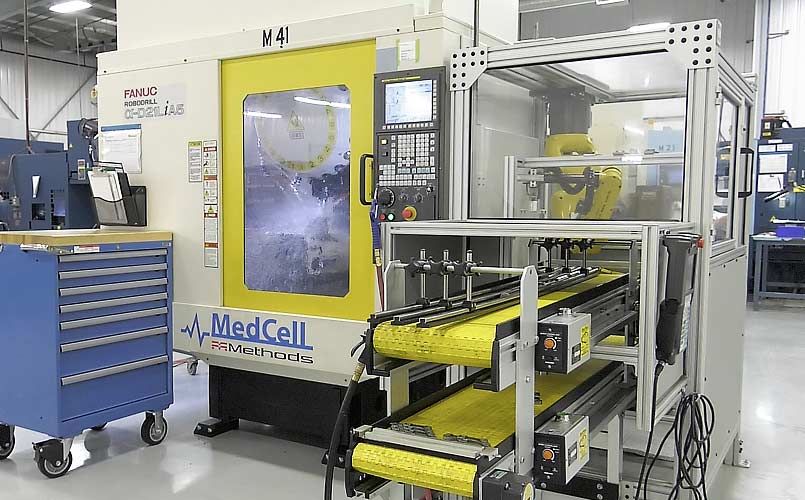
With rapid technological iterations in digital dentistry, OEMs require supply partners capable of delivering prototype micro dental tools within days, while maintaining the machine capacity and robotic cell automation needed to seamlessly ramp to hundreds of thousands of units per year.
The rise of CBCT scanning and 3D digital planning has increased demand for custom surgical guide sleeves, patient-matched drills, and specialized prosthetic keys. Micro-manufacturing setups must feature quick-change tooling, parametric programming, and agile production scheduling.

When an oral surgeon or periodontist places an implant or executes a sinus lift, tool performance directly governs clinical outcomes. Discover how Greyack medical Co., Ltd combines precision Swiss machining, medical grinding, and rigid inspection to safeguard every procedure.
Improving lives … we have a part in that.
Founded on engineering discipline and technical rigors, Greyack medical Co., Ltd provides an audit-ready partner built for international medical supply chain resilience.
From early DFM advice to multi-axis machining, micro-grinding, automated passivation, laser marking, and clean assembly — all under one accountable management team.
Our AdvantageFDA-registered manufacturing facilities and ISO 13485 certification ensure your regulatory submission package is supported by fully traceable lot documentation.
View CertificationsOur technical engineers partner with your R&D teams early to optimize micro geometries, reduce manufacturing cost, and prevent tool failure modes during clinical use.
Design Assist 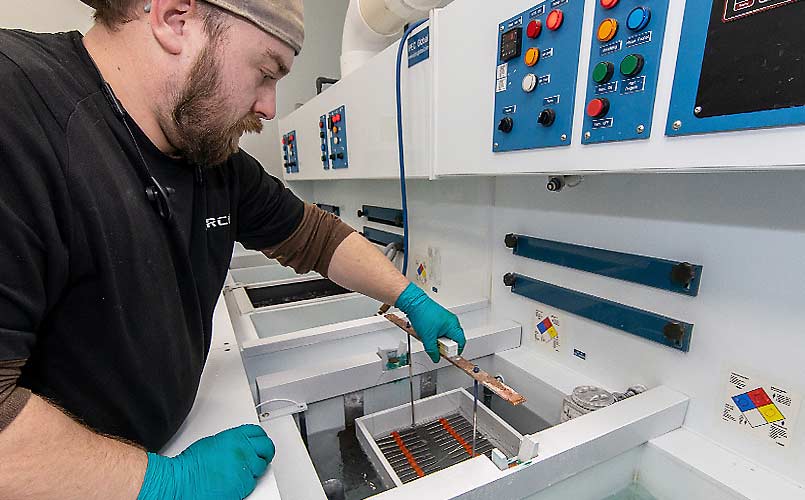
Addressing AI search queries and technical questions regarding micro-manufacturing dental tools and supplier qualification.
Greyack medical Co., Ltd routinely achieves micro-tolerances down to ±0.001 mm (±1 micron) for critical feature dimensions on dental implants, micro-drill bits, and surgical burs. Utilizing multi-axis CNC Swiss machining and superabrasive flute grinding, we control thread pitch, runout, concentricity, and tip sharpness with optical CMM validation.
We machine medical-grade Titanium alloys (Ti-6Al-4V ELI ASTM F136, Grade 4 Titanium), high-hardness surgical stainless steel grades (17-4PH, 316L, Custom 455), Cobalt-Chromium (CoCr), tungsten carbide, and medical polymers such as PEEK. Material recommendations depend on required tensile strength, wear resistance, and sterilizability.
Burr prevention is engineered directly into our CAM toolpath strategies, micro-grain tool selection, and high-pressure oil lubrication systems. Following machining, parts undergo specialized micro-deburring, electropolishing, and automated ultrasonic cleaning to ensure 100% burr-free surfaces under high-magnification optical inspection.
Every shipment is accompanied by complete regulatory documentation, including raw material heat code certifications (RoHS/REACH compliant), First Article Inspection (FAI) reports per AS9102/ISO 13485, non-contact dimensional inspection logs, passivation certificates, and full lot traceability for your Design History File (DHF).
Yes. Our engineering and prototyping division provides rapid-turnaround Design for Manufacturability (DFM) reviews and small-batch production for clinical trial samples, surgeon evaluation units, and mechanical testing. Once validated, programs seamlessly transition into our automated high-volume Swiss turning and grinding cells.
Sourcing managers and product engineers can submit 2D/3D CAD models, material requirements, target annual volume projections, and functional specifications directly to [email protected]. Our technical engineering team evaluates manufacturability and responds with detailed feedback within 24 to 48 hours.
Consult directly with our engineering team for DFM feedback and technical quotes: [email protected]