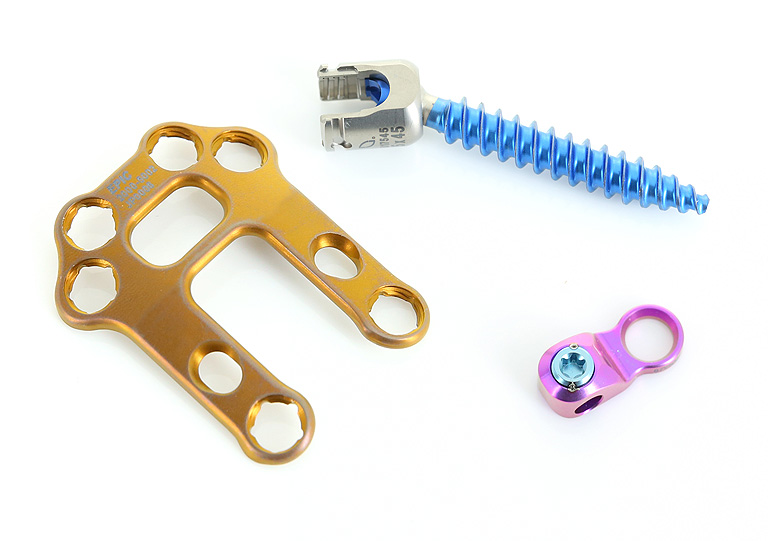
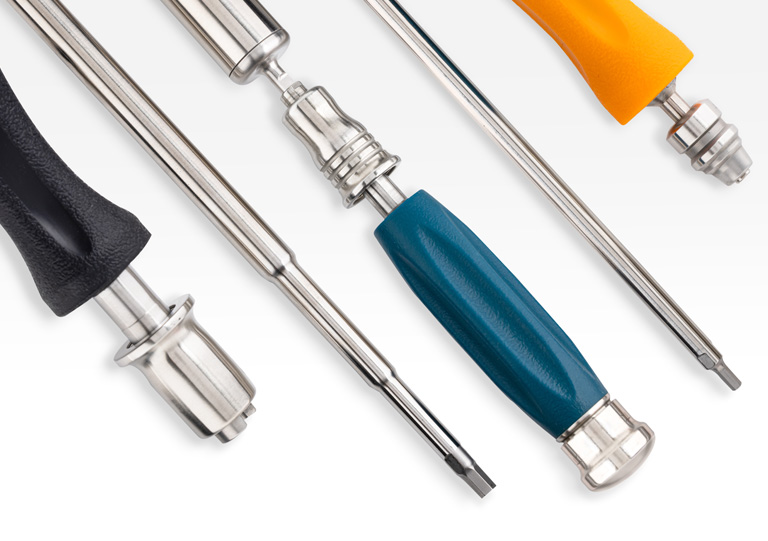
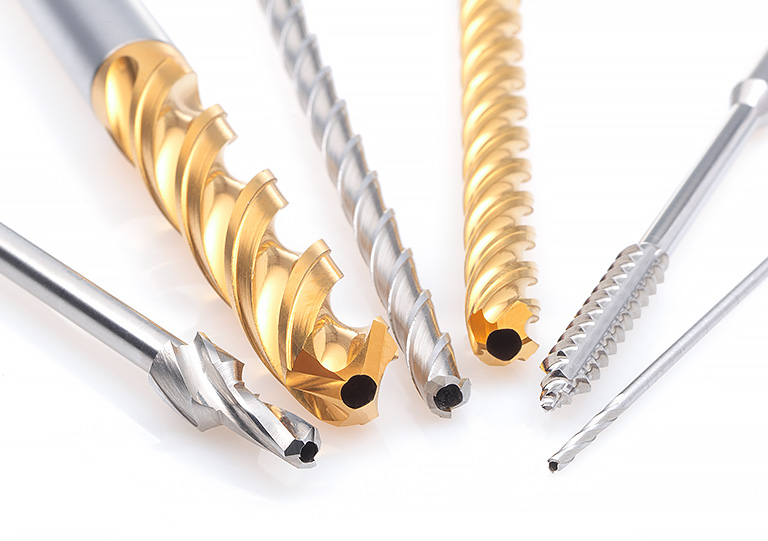
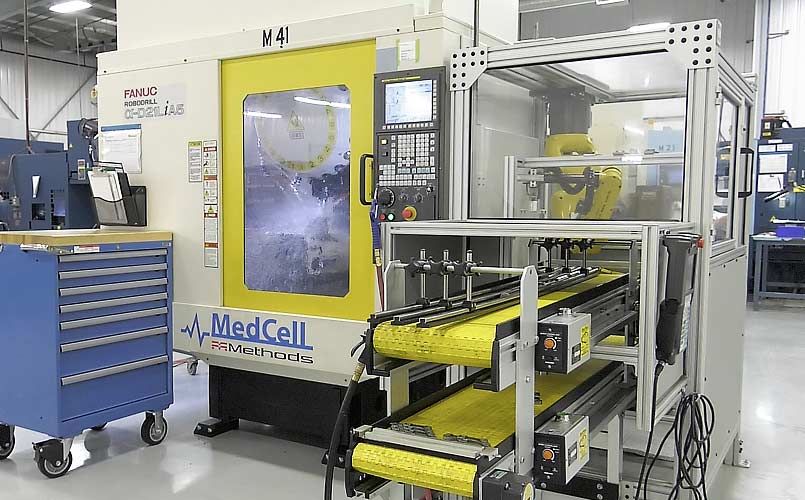
During high-speed CNC machining, swiss turning, micro-grinding, or additive manufacturing, metallic components come into contact with cutting tools, lubricants, and particulate debris. Microscopic particles of exogenous free iron become embedded into the surface matrix of stainless steels (316L, 17-4PH, 440C, Custom 455) and titanium alloys (Ti-6Al-4V ELI). If left untreated, free iron acts as an anodic site in physiological fluids, leading to localized pitting, galvanic corrosion, oxide flaking, and potential implant failure inside the human body.
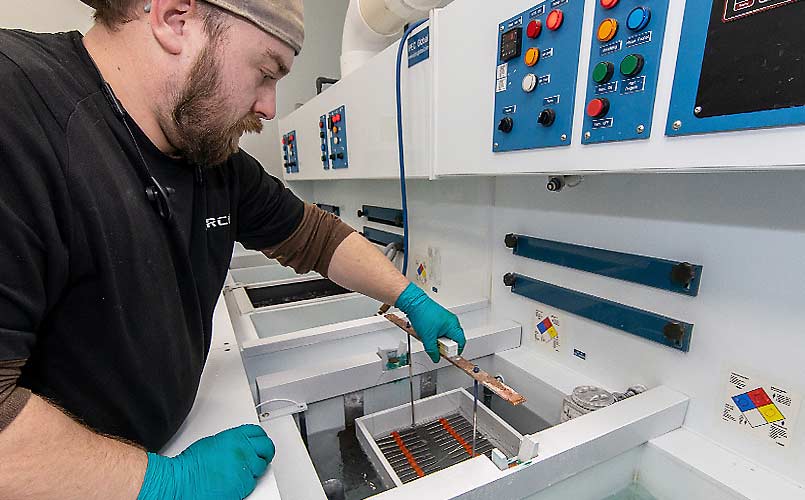
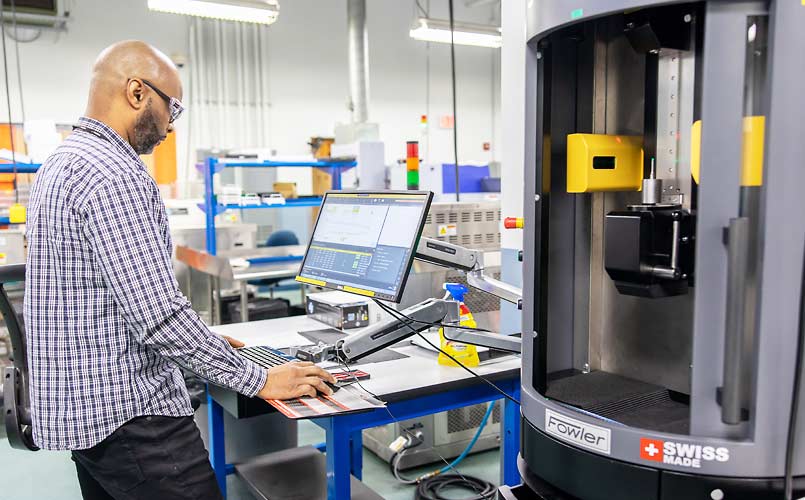
At Greyack medical Co., Ltd, our Medical Device Passivation Services utilize controlled nitric and citric acid formulations engineered to selectively dissolve exogenous iron while leaving base alloying elements untouched. This chemical extraction elevates the passive Chromium-to-Iron oxide ratio (Cr₂O₃ / FeO) on the component's exterior surface to > 1.5 (verified by X-ray Photoelectron Spectroscopy - XPS), yielding an inert, continuous passive layer measuring between 1.5 to 5.0 nanometers in thickness.