Additive Medical Manufacturing Banner Background

Additive Medical Manufacturing of Orthopedic Devices

FDA Registered Establishment
ISO 13485:2016 Certified Quality Management
EBM & DMLS Dual Powder-Bed Fusion
Center of Excellence

Precision 3D Metal Printing for Critical Medical Applications

Greyack medical Co., Ltd is a trusted contract manufacturing partner for global medical device OEMs. We operate dual powder-bed fusion additive technologies—Electron Beam Melting (EBM) and Direct Metal Laser Sintering (DMLS)—utilizing industry-leading production platforms under a fully validated ISO 13485 quality system.

Our specialized engineering team supports orthopedic, spinal, dental, surgical robotics, and life sciences device manufacturers through every stage of development: from Design for Additive Manufacturing (DfAM) and rapid prototyping to full serial production and FDA 510(k) regulatory submission support.

Design & DfAM Optimization: Computer-aided engineering tailored for complex porous titanium structures.
Validated Post-Processing: Integrated stress-relieving, heat treatment, wire EDM, and CNC finish machining.
Full Traceability & Quality QA: Complete powder lot chemistry, CMM inspection, and Device History Record (DHR) data.
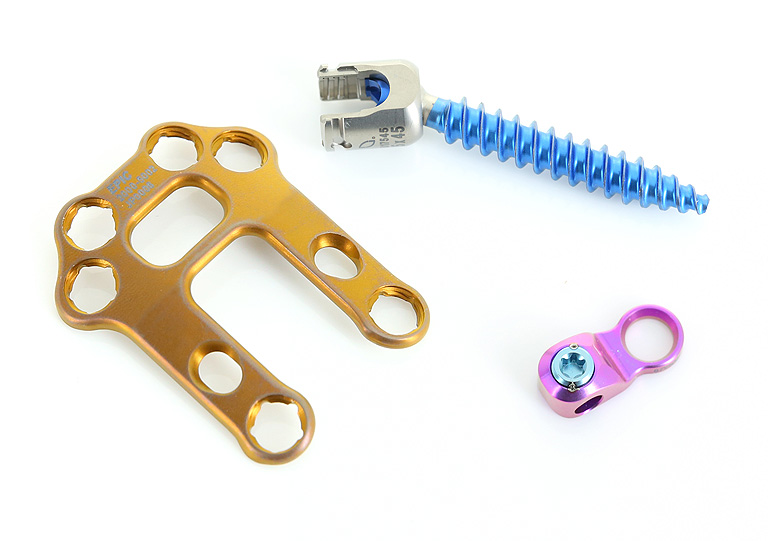
Additive manufactured orthopedic spinal implants by Greyack medical Co., Ltd
Powder-Bed Fusion Technologies

Choose the Right Additive Process for Your Medical Devices

Both Electron Beam Melting (EBM) and Direct Metal Laser Sintering (DMLS) offer distinct manufacturing advantages. Greyack medical Co., Ltd evaluates your implant geometry and mechanical specifications to deploy the optimal technology.

Electron Beam Melting EBM process for orthopedic implants

Electron Beam Melting (EBM)

Utilizing high-power electron beams in a vacuum environment (GE Arcam EBM Q10plus), EBM maintains an elevated build temperature. This inherent thermal control stress-relieves components directly during production, minimizing residual stress and eliminating the risk of micro-cracking.

Ideal for high-volume press-fit acetabular cups & femoral components.
Build volume stacking for maximum batch output efficiency (200 x 200 x 180 mm).
Easy support removal reducing post-processing cycle times.
Direct Metal Laser Sintering DMLS for surgical components

Direct Metal Laser Sintering (DMLS)

Combining precise laser optics with fine atomized metal powders, DMLS (DMP Flex 350) yields high-fidelity surface resolution, micro-detail accuracy, and exceptional mechanical density. It prints seamlessly in Ti64, CoCr, and 316L stainless steel.

High resolution for thin-walled surgical tools and complex robotics components.
Generates intricate conformal lattice geometries directly integrated with solid substrate.
Generous build envelope (350 x 350 x 350 mm) for R&D or serial production.
Enhanced Osseointegration

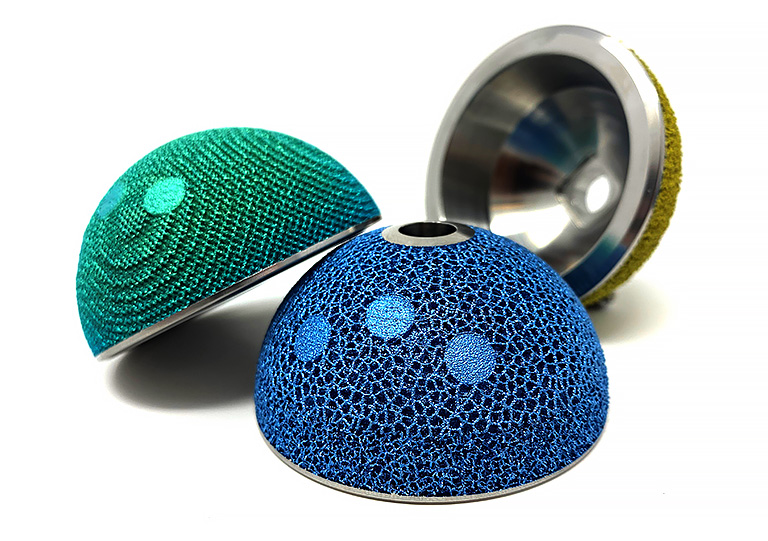
Engineered Porous Lattice Structures for Bone Ingrowth

Modern orthopedic implant design relies on advanced porous structures to achieve superior clinical outcomes. Additive manufacturing replaces traditional plasma spray coatings with monolithic, interconnected porous titanium structures manufactured in a single process step.

At Greyack medical Co., Ltd, our engineers utilize state-of-the-art lattice generation software to match target porosity, pore size distribution, and elastic modulus. This minimizes stress shielding while encouraging robust cell proliferation and long-term implant fixation.

  • Elimination of Delamination Risk: Porous layers are fused directly into the structural core.
  • Customized Anatomical Porosity: Tailored pore diameters (300–800 microns) for optimal vascularization.
  • Biocompatible Alloys: Certified Ti-6Al-4V ELI and Cobalt-Chrome powder bed stock.
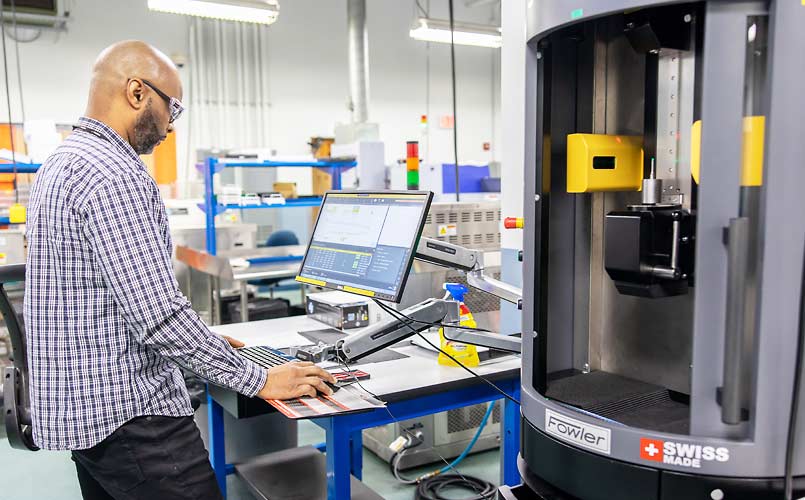
Precision measurement and inspection of 3D additive medical implants
OEM Technical Specifications

Validated Additive Manufacturing Capabilities

Greyack medical Co., Ltd enforces strict process controls at every stage of the 3D metal printing workflow to guarantee medical-grade quality.

Parameter / Capability Specification Detail
Supported Technologies Electron Beam Melting (EBM - GE Arcam Q10plus) & Direct Metal Laser Sintering (DMLS - DMP Flex 350)
Medical Materials Titanium Ti-6Al-4V ELI (Grade 23), Cobalt-Chrome (CoCrMo), 316L Surgical Stainless Steel
Quality Standards ISO 13485:2016 Certified Quality Management System, FDA Registered Establishment
Porosity Control Interconnected open-cell lattice structures, 50% to 80% controlled porosity volume
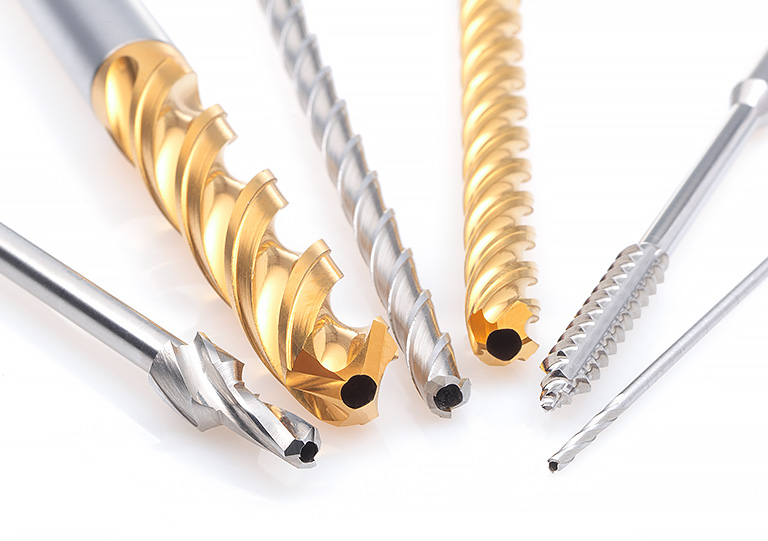
Subtractive Integration In-house multi-axis CNC Swiss machining, flute grinding, thread grinding, and precision polishing
Post-Processing & Finishing Stress relief annealing, HIP (Hot Isostatic Pressing), citric/nitric passivation, laser marking, cleanroom packaging
Regulatory Deliverables Material Certifications, Powder Recyclability Traceability, CMM / CT Scanning Inspection Reports, DHF Records
Component Applications

Orthopedic & Surgical Products Produced via Additive Manufacturing

Frequently Asked Questions

Additive Manufacturing Questions from OEM Sourcing Teams

Which 3D metal printing technologies does Greyack Medical utilize for medical components?

Greyack medical Co., Ltd operates both leading powder-bed fusion platforms: Electron Beam Melting (EBM) via GE Arcam Q10plus and Direct Metal Laser Sintering (DMLS) via DMP Flex 350. This dual capability allows us to select the optimal additive technology based on implant geometry, material specification, and surface finish requirements.

What materials are certified for additive manufacturing of orthopedic implants?

We manufacture additive components using medical-grade Titanium alloys (Ti-6Al-4V ELI), Cobalt-Chrome (CoCr), and 316L Stainless Steel, all thoroughly validated for mechanical strength, biocompatibility, and chemical cleanliness under ISO 13485 standards.

How do 3D printed lattice structures benefit orthopedic osseointegration?

3D additive manufacturing allows the creation of monolithic porous lattice structures that mimic natural cancellous bone. These engineered surfaces promote rapid bone in-growth and osseointegration, eliminating the risks of delamination associated with conventional plasma spray coatings.

What quality documentation is provided with 3D printed medical parts?

Every shipment includes full powder traceability, chemical certification, mechanical test results, density verification, CMM inspection reports, and validated post-processing heat treatment/passivation records suitable for inclusion in FDA 510(k) and MDR regulatory submissions.

Partner with Greyack Medical for Your Additive Programs

Contact our engineering team to review 3D models, evaluate manufacturability, or request a quote: [email protected]

Contact Us