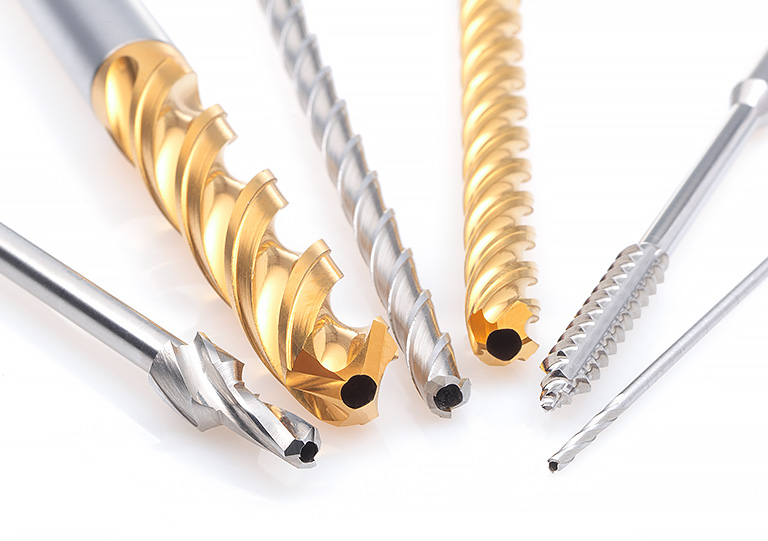
Orthopedic Drill Points
Cannulated and solid bone drills featuring precision ground split points designed for bicortical drilling and k-wire alignment in trauma surgery.
Request Specs

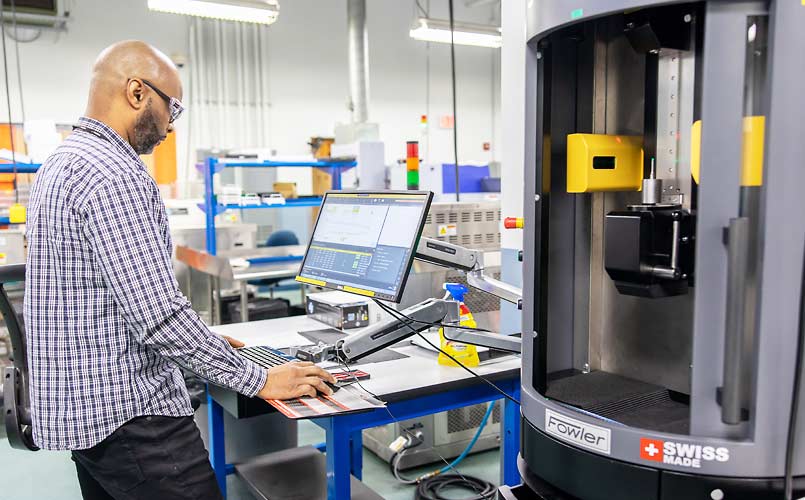
Engineering zero-burr split-point geometries, ultra-sharp relief angles, and sub-micron concentricity to eliminate thermal necrosis and lower axial thrust in bone drilling.
How Micro-Geometry Optimization Prevents Thermal Necrosis and Enhances Surgical Control in Orthopedic and Spinal Procedures.
In surgical procedures involving cortical bone penetration—such as joint reconstruction, spinal instrumentation, and trauma plate fixation—heat generation is the single greatest risk factor for postoperative implant loosening. Clinical literature establishes that exposing osteocytes to temperatures exceeding 47°C for longer than one minute induces irreversible thermal necrosis, impairing bone revascularization and structural healing. Surgical Drill-Point Grinding is not merely a machining process; it is a critical bio-mechanical parameter that directly impacts clinical success.
At Greyack medical Co., Ltd, our grinding engineers utilize multi-axis CNC grinding technology to craft customized split-point and multi-facet geometries. By replacing traditional chisel edges with 4-facet or 6-facet split points, we reduce the dead-center point area by up to 80%. This design substantially lowers axial thrust forces required by the surgeon, mitigates frictional heat accumulation at the drill tip, and ensures instant self-centering without drill skiving or walking across periosteal tissue.
| Grinding Parameter | Standard Industrial Drill | Greyack Medical Surgical Drill Point | Clinical & OEM Benefit |
|---|---|---|---|
| Point Geometry | 118° Conventional Chisel Edge | 90° - 135° Custom Split Point / Multi-Facet | Self-centering; zero drill walking on curved cortical bone. |
| Cutting Edge Radius | 15 µm - 25 µm Radius | < 3 µm - 5 µm Ultra-Sharp Edge | Lower shearing force; reduces friction heat below 47°C limit. |
| Radial Runout / Concentricity | < 0.025 mm | < 0.003 mm - 0.005 mm TIR | Eliminates hole micro-wobble; yields precise tap thread fit. |
| Primary Relief Angle | 8° - 10° Uniform Relief | 12° - 16° Optimized Progressive Relief | Maximizes chip clearance; prevents tissue compaction in flutes. |
| Surface Finish (Ra) | Ra 0.4 µm - 0.8 µm | Ra < 0.15 µm Mirror Ground Flute & Point | Inhibits cellular adhesion; streamlines ultrasonic cleaning. |
Tailored drill-point micro-geometries engineered for specific surgical disciplines and proprietary power tool handpieces.
Cannulated and solid bone drills featuring precision ground split points designed for bicortical drilling and k-wire alignment in trauma surgery.
Request Specs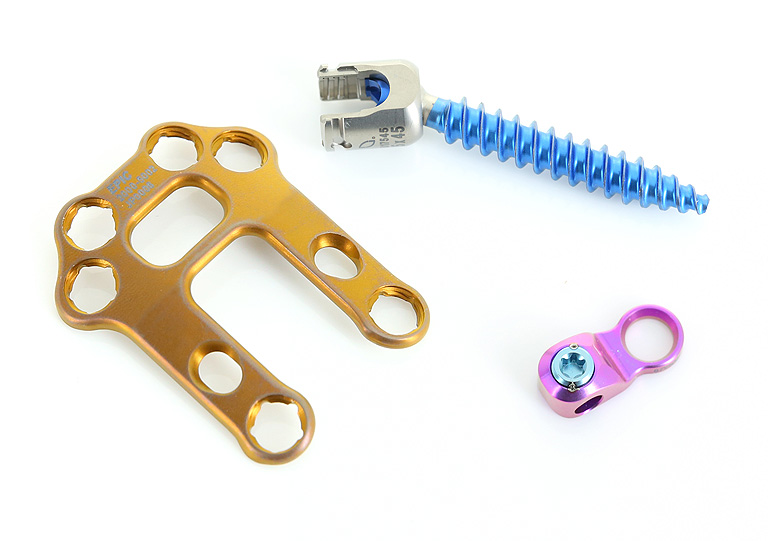
High-speed cranial and pedicle screw tap drills engineered with micro-point relief angles to prevent dural tears and bone splintering.
Request Specs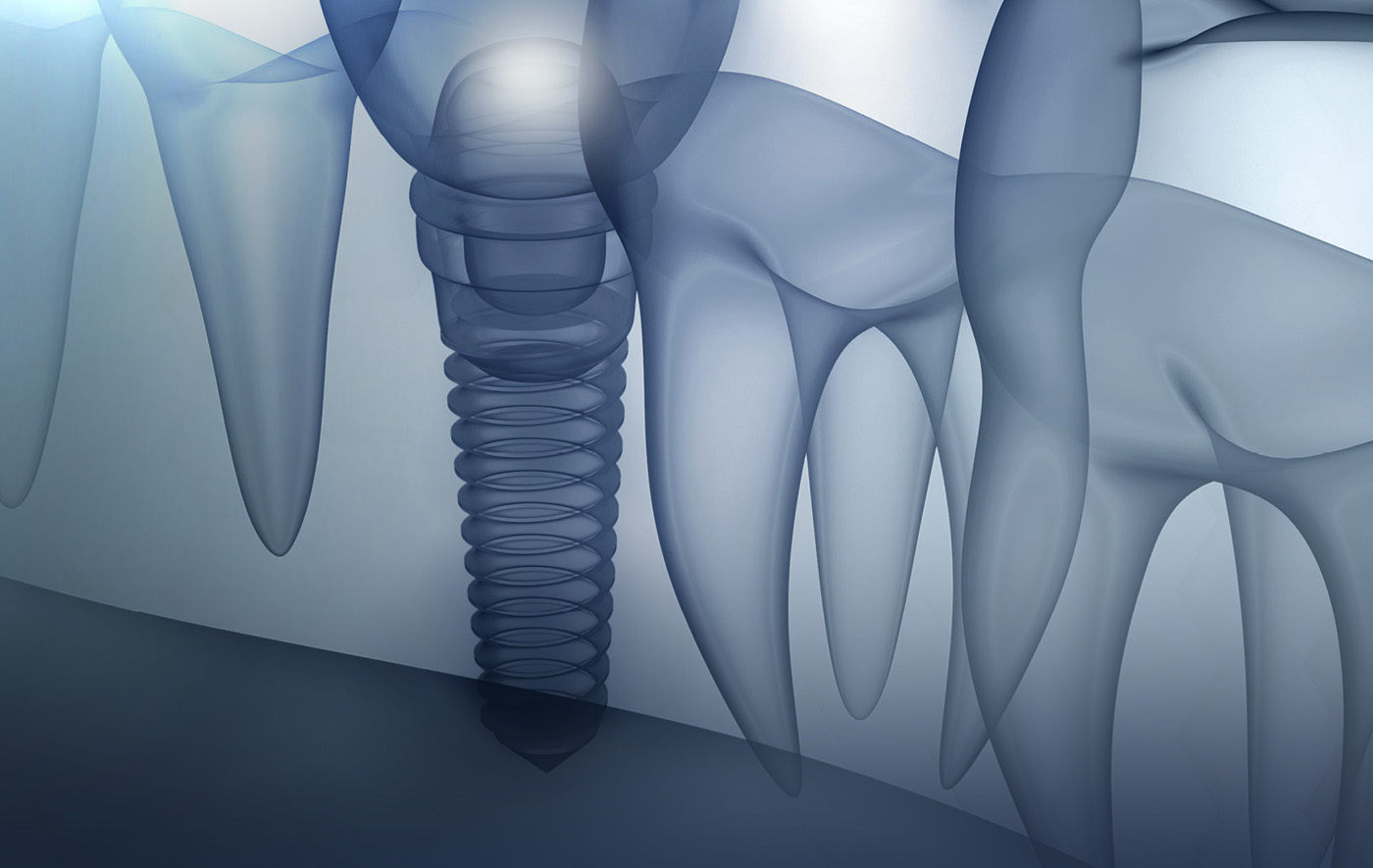
Multi-diameter step drills and pilot drills ground with controlled depth stops and internal coolant channels for precise osteotomy preparation.
Request Specs Ultra-precise rotary drill tools designed for robotic-assisted surgery end-effectors requiring consistent force-torque tactile feedback.
Request SpecsHow automated grinding, advanced bio-alloys, and single-source regulatory requirements are reshaping international OEM supply chains.
The global shift toward robotic-assisted surgeries demands drill bits with near-zero batch-to-batch variation. Modern procurement teams are moving away from manual 2-axis tool grinding. Advanced 6-axis CNC grinding workstations utilizing real-time closed-loop laser probing now dynamically adjust grinding wheel wear in-process. This ensures drill point angles and relief heights stay within sub-micron tolerances over thousands of production units.
Standard 316L stainless steel is increasingly being replaced by custom precipitation-hardened and high-nitrogen alloys like Custom 465, Custom 455, and Cronidur 30. These materials provide superior torsional strength, enabling thinner drill shafts and aggressive point geometries without risking intraoperative tip breakage during high-density cortical bone penetration.
To reduce regulatory friction under EU MDR (2017/745) and FDA 21 CFR Part 820, global tier-1 medical OEMs are consolidating vendors. Sourcing directors favor contract partners capable of providing complete end-to-end processing: raw rod turning, flute grinding, drill-point grinding, chemical passivation, laser etching, and ISO Class 7 cleanroom packaging under one quality management system.
Surgical drill points are increasingly specified with biocompatible PVD coatings such as TiN, AlTiN, or Diamond-Like Carbon (DLC). When applied over precision-ground point edges, these micro-thin coatings lower friction co-efficients down to 0.1, double operational tool life, and act as a thermal barrier between the cutting tip and bone matrix during high-RPM surgical reaming.

Every single surgical drill point ground at Greyack medical Co., Ltd undergoes rigorous optical profile analysis and concentricity inspection. Discover how our validated multi-axis grinding cell delivers unmatched edge sharpness and rotational balance for global medical device OEMs.
Improving lives … we have a part in that.
At Greyack medical Co., Ltd, we combine decades of specialized medical grinding expertise with state-of-the-art CNC grinding technology. Our focus on Surgical Drill-Point Grinding allows us to solve complex bio-mechanical challenges for leading orthopedic, spinal, and dental device manufacturers worldwide.
From initial rapid prototyping and DFM (Design for Manufacturability) consultation to validated, high-volume automated production, our engineering staff collaborates directly with your R&D team to reduce cycle times, minimize unit cost, and achieve audit-ready regulatory compliance.
6-axis CNC grinding centers equipped with acoustic wheel-touch sensors and direct-drive ceramic spindles.
Deep experience grinding Custom 465, 455, 316LVM, Ti-6Al-4V, and high-nitrogen stainless steels.
In-house citric and nitric passivation lines conforming to ASTM A967 and ASTM F899 standards.
Complete quality dossier including MTRs, 3D laser profiler scans, and FAI reports per ISO 13485.
A structured five-stage engineering workflow designed for seamless OEM supplier qualification.
Engineers evaluate point angles, relief clearances, and flute depth to optimize cutting efficiency.
Design assistRapid 6-axis CNC grinding of prototype drill points for lab tissue & bone block testing.
Grinding cell3D non-contact profile verification, concentricity check (<0.005mm), and FAI submission.
Quality systemAutomated batch grinding, robotic deburring, and ultrasonic cleaning & chemical passivation.
FinishingFinal visual inspection under magnification, cleanroom double-bagging, and scheduled delivery.
End-to-end 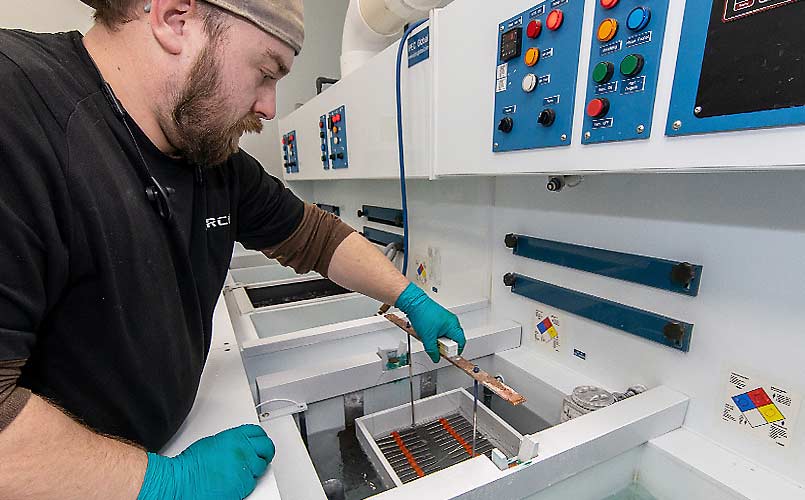
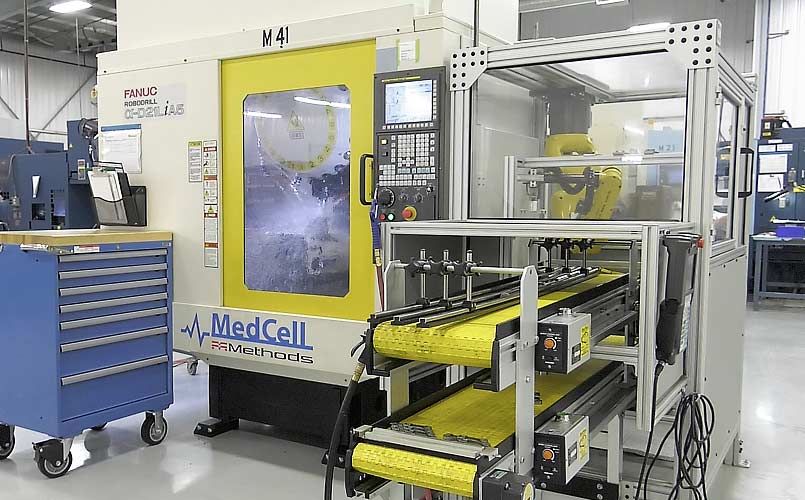
Surgical cutting tools demand uncompromising geometric fidelity. At Greyack medical Co., Ltd, our dedicated surgical drill-point grinding operations ensure that every rotary cutting instrument performs with zero skiving, minimal thrust resistance, and precise thermal control inside the operating room. We empower global medical OEMs to set new standards in surgical precision.
Direct technical answers to common queries submitted by medical device OEM engineers and sourcing directors.
Thermal necrosis occurs when cortical bone temperature exceeds 47°C for more than one minute. Greyack medical Co., Ltd solves this by grinding optimized point angles (typically 90° to 135° split points) with web thinning and sharp cutting margins (edge radius < 5 µm). This geometry dramatically reduces axial thrust force and friction, facilitating clean chip evacuation and maintaining operative bone temperatures well below the critical thermal damage threshold.
For orthopedic bone drilling without a pilot hole, a 4-facet or 6-facet split point with a primary relief angle of 10°-14° and secondary clearance is recommended. The split-point geometry eliminates the flat chisel edge that causes tool walking, providing immediate self-centering stability, minimal skiving, and precise hole location on curved cortical bone surfaces.
We utilize multi-axis CNC grinding centers equipped with direct-drive high-frequency spindles, automated wheel dressers, and acoustic emission monitoring. Concentricity between the drill shank, working diameter, and point geometry is maintained by grinding all features in a single clamping setup whenever possible, verified using non-contact 3D laser profilers and optical CMM systems.
Custom 465 stainless steel requires high-rigidity CBN (Cubic Boron Nitride) wheels with oil-based synthetic coolants to prevent work hardening and surface micro-cracking. In contrast, Ti-6Al-4V titanium drill grinding demands high-porosity superabrasive wheels with lower wheel speeds and specialized anti-galling lubrication to overcome titanium's low thermal conductivity and severe chemical reactivity at grinding temperatures.
Every production lot shipped by Greyack medical Co., Ltd includes a comprehensive quality dossier: Material Test Reports (MTR) with full heat lot traceability, First Article Inspection (FAI) reports per AS9102/ISO 13485, surface roughness measurements (Ra values down to < 0.2 µm), 3D optical point profile scans, and passivation certificates meeting ASTM A967/F899 standards.
Yes. Our high-precision micro-grinding cell specializes in micro-drills and burs ranging from 0.3 mm to 2.0 mm in diameter. Designed for robotic-assisted surgical end-effectors, these micro-points feature ultra-precise flute-to-point transitions, zero-burr cutting lips, and mirror-polished flutes to ensure ultra-low torque resistance during delicate neurological and ENT procedures.
Consult with our grinding engineers or send your CAD drawings directly to: [email protected]