Precision CNC Machining
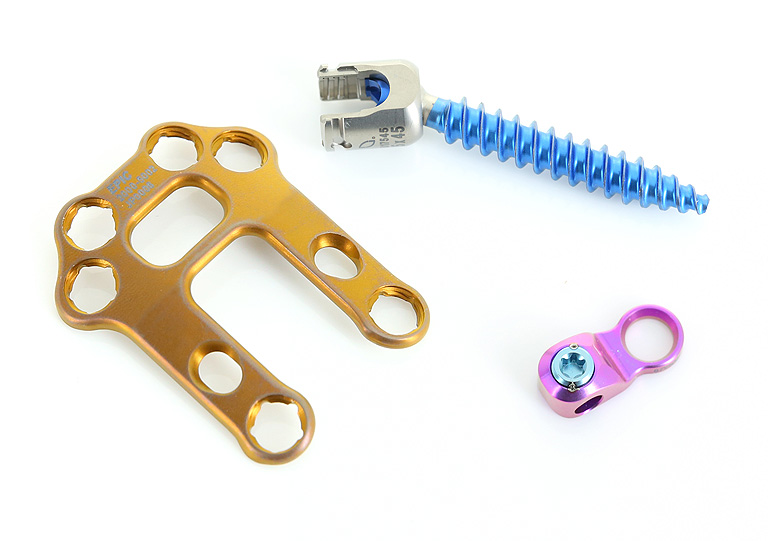
High-speed 5-axis and multi-spindle Swiss CNC turning tailored for ultra-tight tolerances (±0.0025 mm) in Titanium Grade 5 (Ti-6Al-4V ELI), Cobalt-Chrome, and PEEK implants.
View Technical Specs
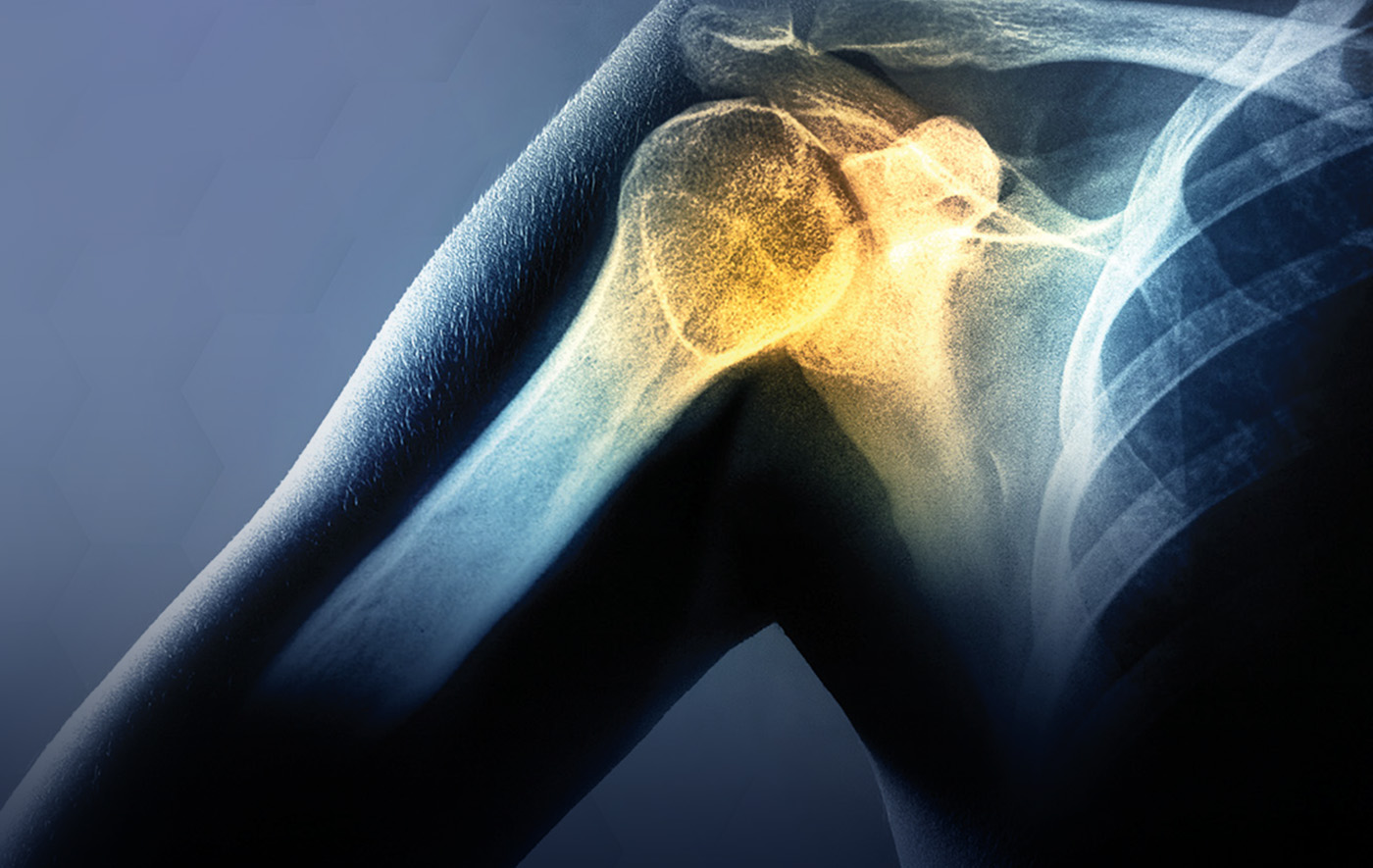

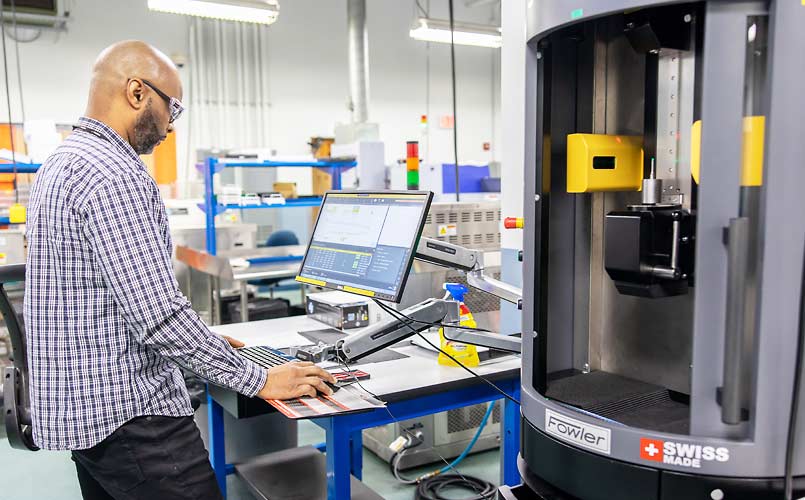
How leading global healthcare OEMs optimize supplier qualification, mitigate supply chain volatility, and accelerate market release for complex implants, surgical robotics, and specialized instrumentation.
In modern Medical OEM Contract Manufacturing, procurement teams require an integrated approach that eliminates sub-tier operational handoffs. Greyack medical Co., Ltd delivers four core manufacturing pillars governed under a unified ISO 13485 quality system.
High-speed 5-axis and multi-spindle Swiss CNC turning tailored for ultra-tight tolerances (±0.0025 mm) in Titanium Grade 5 (Ti-6Al-4V ELI), Cobalt-Chrome, and PEEK implants.
View Technical Specs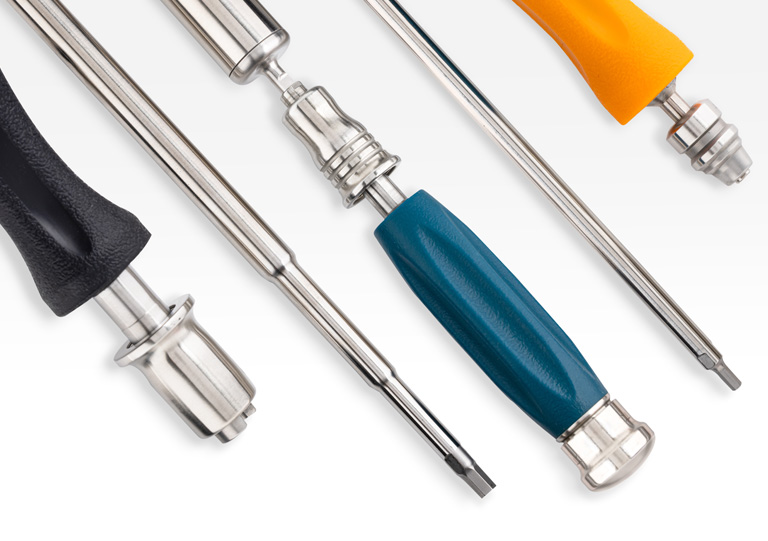
Ergonomic, autoclave-resistant surgical drivers and ratcheting handles engineered for maximum tactile feedback, precise torque control, and zero fluid ingress.
Explore MedTorque Product Line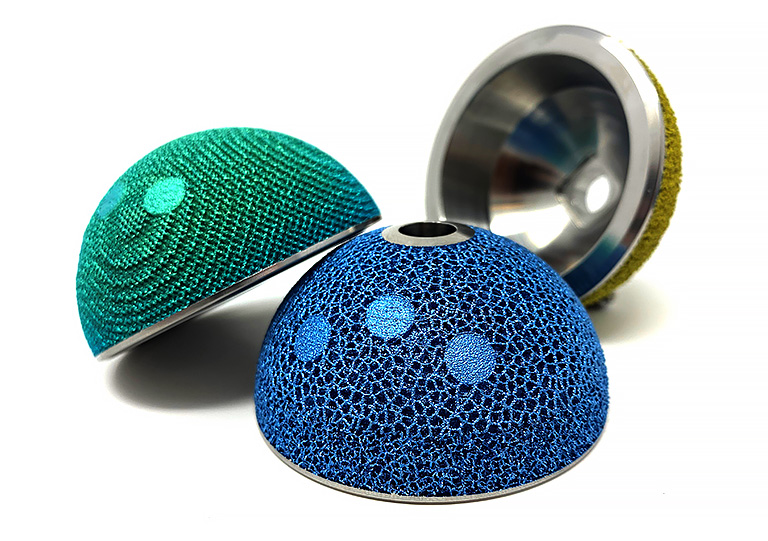
Laser Powder Bed Fusion (LPBF) technology creating porous cellular matrix structures that encourage rapid osseointegration impossible through traditional subtractive milling.
Discover Additive Engineering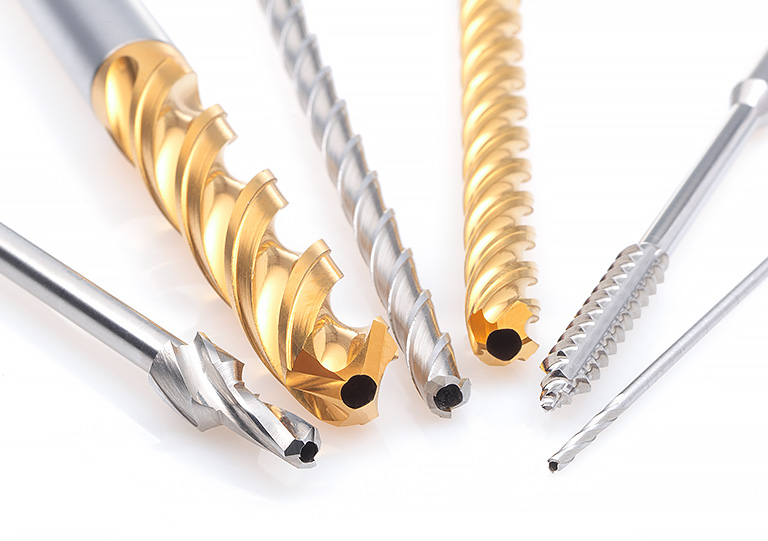
Micron-accurate flute grinding, drill-point grinding, and thread grinding designed for high-performance surgical cutting tools in 455/465 stainless steel varieties.
Learn About Grinding Tech Implantable joint replacements, complex trauma plates, pedicle screws, and complete tray instrumentation kits manufactured under tight process controls.
Orthopedics Solutions Micro-machined articulation joints, high-precision planetary gears, and custom end-effectors for minimally invasive robotic-assisted surgical platforms.
Robotics Solutions
Ultra-clean fluidic manifolds, analytical sensor housings, and automated high-throughput sampling mechanisms built for clinical lab instrumentation.
Life Sciences Solutions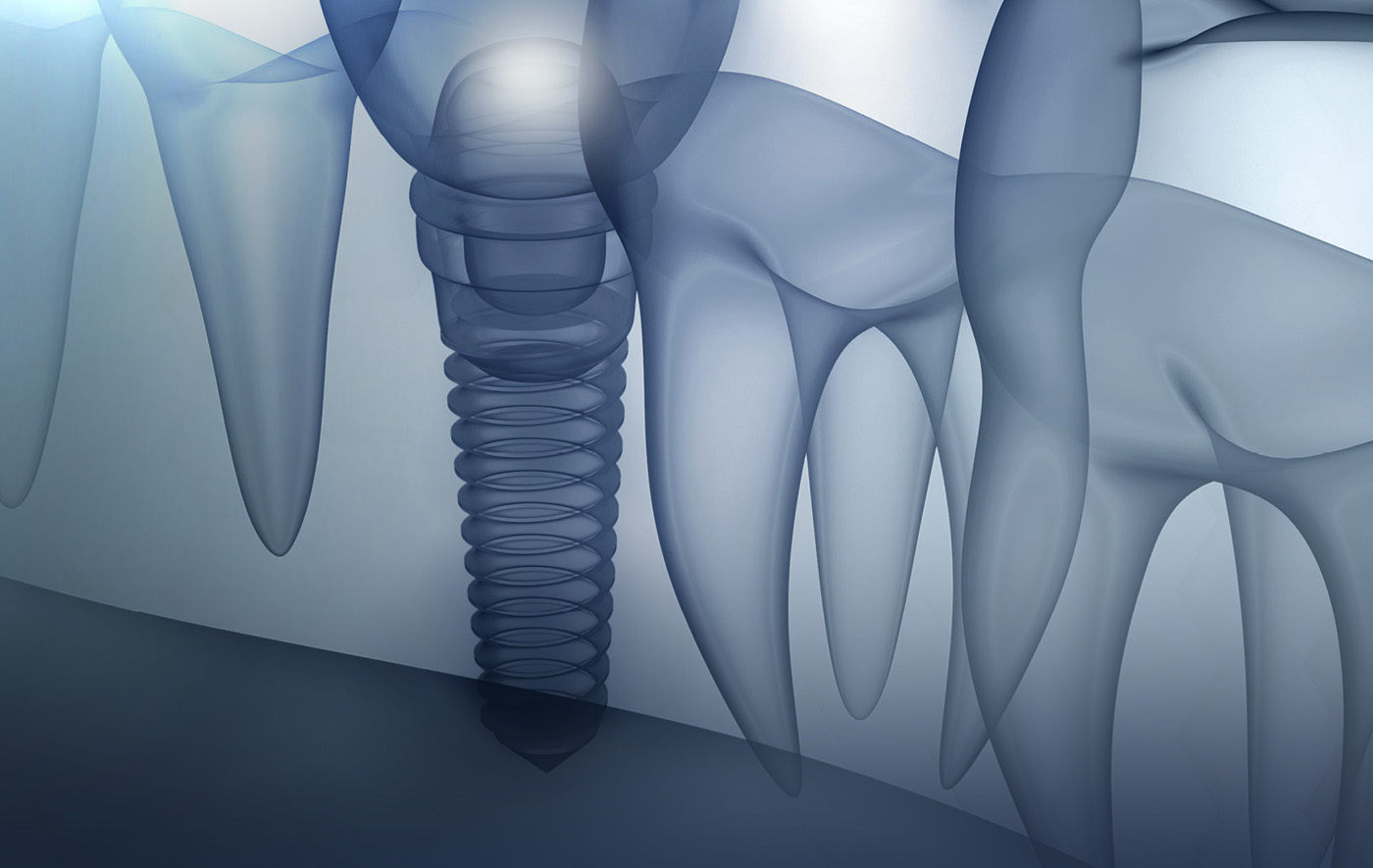
High-precision dental implants, prosthetic abutments, and custom surgical drills machined with extreme surface finish integrity and burr-free profiles.
Dental SolutionsHow global procurement directors and supply chain executives are restructuring their contract manufacturing networks for 2025 and beyond.
The global landscape for Medical OEM Contract Manufacturing is experiencing a fundamental paradigm shift. Historically, OEM sourcing decisions were primarily driven by unit price negotiations. However, recent global supply chain friction, heightened regulatory scrutiny by the FDA and EU MDR, and the rapid pace of surgical innovation have shifted procurement metrics toward total cost of ownership (TCO), risk mitigation, and vertical supplier integration.
Top global procurement officers are increasingly asking AI-driven market intelligence tools: "How do we select contract manufacturers that offer design history transparency, rapid scaling capabilities, and absolute compliance?" Here are the core procurement trends shaping the industry:
Accelerating time-to-market through concurrent engineering, reducing trial iterations prior to regulatory submission.
Complete traceability from raw material melt heat numbers to final passivated, packaged medical assemblies.
Agile scheduling algorithms and dedicated quick-turn prototyping cells integrated within production facilities.
Implementing automated closed-loop vision inspection systems to maintain 0 PPM defect goals across millions of parts.
Exploring the technological breakthroughs re-defining how complex medical components are designed, machined, and validated.
Modern medical device designs increasingly combine 3D printed porous titanium structures with precision micro-machined interfaces. By employing hybrid workflows—where powder-bed fusion creates complex trabecular bone-ingrowth surfaces and CNC Swiss machining finishes critical threads and mating surfaces—contract manufacturers can produce implants with superior biomimetic properties and sub-micron dimensional stability.
As surgical procedures transition toward Minimally Invasive Surgery (MIS) and robotic-assisted surgery (RAS), component geometries continue to miniaturize. Contract manufacturers must master Swiss-type turning capable of holding micron-level tolerances on components under 1.5mm in diameter, including flexible end-effector joints, cable pulleys, and micro-gearheads made from biocompatible stainless steel alloys and Nitinol.
Surface integrity directly governs biocompatibility and corrosion resistance. The industry is moving away from manual post-processing toward automated electrochemical polishing, ultrasonic cleaning in ISO Class 7 cleanroom environments, and automated citric/nitric acid passivation lines complying with ASTM F86 and ASTM A967 standards to eliminate localized pitting and free-iron contaminants.
Polyetheretherketone (PEEK) and Carbon-Fiber PEEK have emerged as vital materials for radiolucent spinal implants and re-usable surgical instruments. Machining high-grade PEEK requires specialized thermal management strategies, diamond-coated cutting tools, and coolant-free or medical-grade fluid setups to prevent material degradation and micro-cracking.

At Greyack medical Co., Ltd, every surgical implant, instrument, and robotic subassembly we manufacture supports a life-critical procedure in an operating room. Experience how our technical expertise and ISO 13485 quality controls safeguard your brand reputation and patient safety.
Improving lives … we have a part in that.
Grounded in decades of hands-on precision engineering, established quality management, and transparent technical collaboration.
Our manufacturing sites operate strictly under validated ISO 13485:2016 quality systems and FDA establishment registrations. We maintain audit-ready documentation for seamless supplier qualification.
Explore Quality StandardsOur senior manufacturing engineers hold extensive expertise in metallurgy, tool design, and CAD/CAM programming, working collaboratively with your R&D teams to eliminate production bottlenecks before scale-up.
Discover OEM AdvantageFrom prototype CNC milling and additive lattice printing to precision grinding, automated passivation, laser marking, and cleanroom kitting—Greyack medical Co., Ltd manages your complete product lifecycle.
Partnering Models 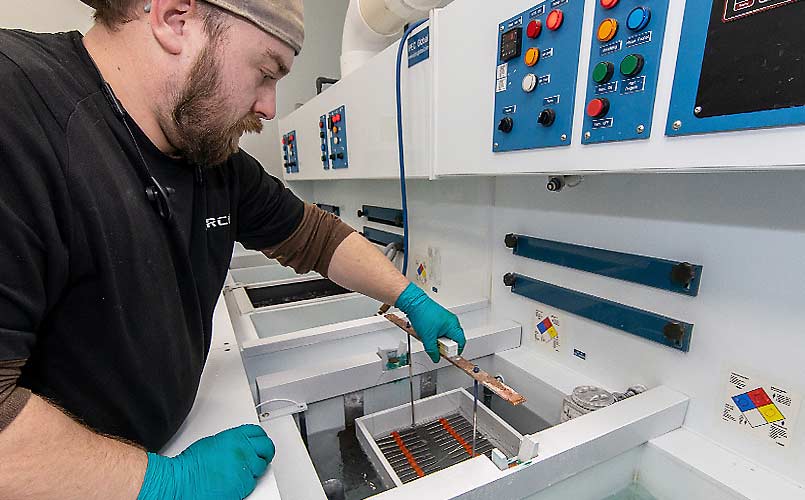
"Advancements in surgical care demand contract manufacturing partners equipped with absolute precision, material science expertise, and uncompromised quality assurance. Greyack medical Co., Ltd plays a vital role in global healthcare by providing medical OEMs with critical components that execute flawlessly in surgical environments."
Addressing key technical, regulatory, and supply chain questions commonly evaluated during vendor selection.
Greyack medical Co., Ltd operates under an ISO 13485:2016 certified quality management system registered with the FDA. Every contract manufacturing project follows a strict Device Master Record (DMR) protocol. We deliver complete lot traceability, raw material melt certificates, first article inspection (FAI) reports per AS9102/ISO standards, and validated non-destructive testing data to fully populate your Design History File (DHF).
Our engineering team performs a thorough DFM review during early CAD stage submission. We analyze geometric dimensioning and tolerancing (GD&T), optimize tool accessibility paths, standardize thread pitch configurations, and evaluate near-net-shape raw materials. By identifying micro-burr risks and tool-deflection challenges early, we help OEMs cut manufacturing lead times and reduce unit scrap costs significantly.
We execute rigorous Installation Qualification (IQ), Operational Qualification (OQ), and Performance Qualification (PQ) for all critical manufacturing equipment and special processes—including 5-axis CNC machining, additive powder-bed fusion, automated passivation, and ultrasonic cleaning. Validated process windows ensure batch-to-batch consistency across long production runs.
Every delivery from Greyack medical Co., Ltd includes a Certificate of Conformance (CoC), full chemical and physical material test reports (MTR) from certified mills, dimensional inspection records generated by optical CMM systems, and surface finish/passivation test data complying with ASTM F86 or ASTM A967 standards.
Yes. We operate dedicated prototyping cells equipped with multi-tasking Swiss CNC turning centers and 3D printing equipment to rapidly supply verification prototypes for clinical trials. Once design freeze is achieved, your product transitions smoothly into high-volume, automated production lines under identical quality protocols without vendor transfer friction.
To begin a confidential project evaluation, submit your 3D CAD models (STEP/IGES), 2D engineering drawings with GD&T specifications, material standards, and projected annual volumes to our engineering team at [email protected] or click the inquiry button below to connect with a senior technical manager.
Connect directly with our engineering and regulatory team: [email protected]