High-Precision Surgical Implants & Instrumentation for Japanese Healthcare
Manufactured under ISO 13485 certified quality management systems utilizing biocompatible Titanium ELI, PEEK, and surgical-grade Stainless Steel.
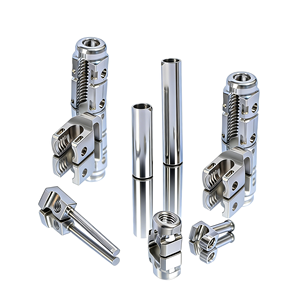
Titanium Spinal Pedicle Screw Rod System Orthopedic Spine Fixation Implant
Get a Quote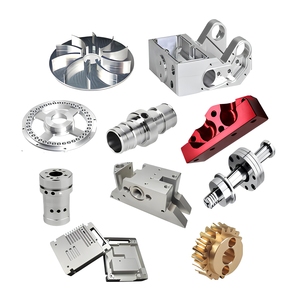
CNC Machining Service Custom CNC Parts CNC Turning Spare Parts Custom Medical Parts
Get a Quote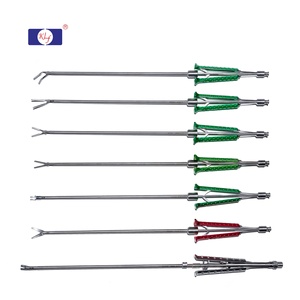
Cardiac Surgery Instruments Set Minimum Invasive Invasive Basis of Surgical Tools
Get a Quote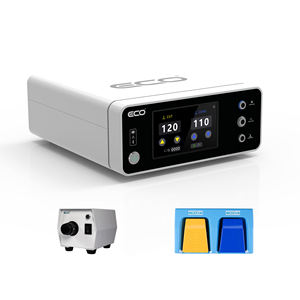
Fine-Quality Low Operating Temperature Metal Minimally Invasive Plasma Ablation Wand
Get a Quote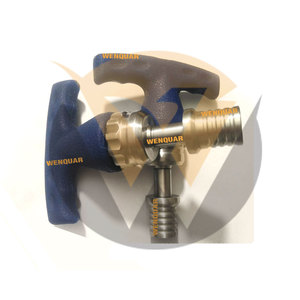
High Quality Ratchet T Handle Orthopedic Surgery Instruments Silicone Grip Handle
Get a Quote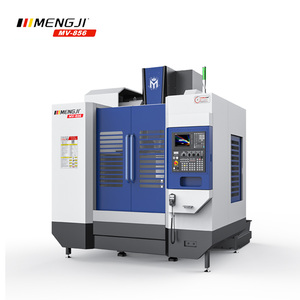
MV-856 Vertical High Speed CNC Milling Machine for Medical Instruments Manufacturing
Get a Quote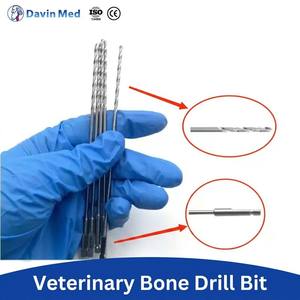
Davin Med Stainless Steel Bone Drill Bit AO Mini Quick Coupling Orthopedic Instrument
Get a Quote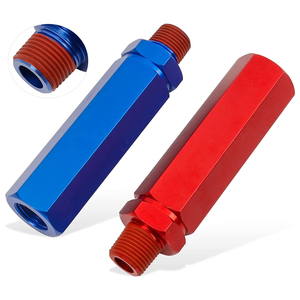
Aluminum Coupling Lock Extension Handle Set for Precision Surgical Instrumentation
Get a QuoteNavigating the Japanese Spinal Device Market: OEM Quality, Technical Standards & Strategic Sourcing
The Japanese orthopedic and spinal market represents one of the most sophisticated, quality-sensitive, and technologically demanding healthcare sectors in the Asia-Pacific region. Driven by a rapidly aging demographic—where over 29% of the population is aged 65 or older—Japan faces unprecedented clinical demand for spine stabilization systems, minimally invasive spinal surgery (MISS) instruments, and advanced degenerative disc therapies. For Japanese medical device distributors, original equipment manufacturers (OEMs), and hospital procurement groups, securing a dependable, sub-micron precision manufacturing partner in China has evolved from a simple cost-efficiency strategy into a mission-critical competitive advantage.
Key Takeaway for Japanese Procurement Officers
Partnering with an FDA-registered and ISO 13485-certified Chinese contract manufacturer bridges the gap between ultra-rigorous PMDA regulatory requirements and scalable, cost-effective high-speed 5-axis CNC machining, ensuring immediate access to STED-compliant technical files and lot-traceable titanium implants.
1. Localized Application Scenarios in Japanese Orthopedic Healthcare
Surgical intervention trends in Japanese university hospitals and regional medical centers differ significantly from Western markets. Due to smaller anatomical builds, high rates of severe lumbar spinal stenosis, and an emphasis on bone-preserving techniques, spinal instrumentation designed for Japan requires hyper-precise dimensions, ultra-low profile implant contours, and superior tactile feedback for surgeons.
- Minimally Invasive Spine Surgery (MISS) & Micro-Endoscopy: Japanese spine surgeons heavily prioritize micro-endoscopic discectomy (MED) and minimally invasive transforaminal lumbar interbody fusion (MIS-TLIF). Instrumentation must feature slim, high-rigidity retractor blades, flexible depth-gauge drivers, and low-reflection matte passivation finishes to maximize visibility under high-magnification operating microscopes.
- Geriatric Cervical Spine Fixation: With cervical spondylotic myelopathy highly prevalent among elderly Japanese patients, occipitocervical constructs and posterior cervical pedicle screw systems demand precise thread profiles (such as double-lead threads with self-tapping flutes) to ensure maximal pull-out strength in osteoporotic bone.
- Robotic-Assisted & Navigation-Guided Spinal Fusion: Major medical institutions in Tokyo, Osaka, and Nagoya are rapidly adopting robotic surgical assistants and intraoperative CT navigation. Instrumentation sets must be manufactured with absolute geometric repeatability, featuring calibrated navigation array adapters, calibrated torque-limiting silicone handles, and standardized quick-coupling interfaces.
- Thoracolumbar Deformity Correction: Complex adult spinal deformity surgeries require titanium alloy (Ti-6Al-4V ELI) rods with precisely engineered fatigue strength and pre-bent sagittal curves, alongside heavy-duty reduction pedicle screws built to withstand multi-axial forces during derotation maneuvers.
| Application Domain | Primary Material Standard | Critical Precision Criteria | Japanese Clinical Requirement |
|---|---|---|---|
| Pedicle Screw Systems | ASTM F136 Ti-6Al-4V ELI / ISO 5832-3 | ±0.005mm thread pitch concentricity | Low-profile polyaxial tulip head to reduce soft-tissue irritation. |
| Interbody Fusion Cages | Medical Grade PEEK / 3D Porous Titanium | Sub-micron lattice pore size (300-500µm) | Anatomic lordotic angles matching Asian patient vertebral endplates. |
| Surgical Hand Instruments | 17-4PH Stainless / Custom Silicone Rubber | Torque limit accuracy within ±4% | Autoclavable ergonomic handles resistant to 134°C steam sterilization. |
| Endoscopic Cannulated Tools | Custom 455/465 Stainless Steel | Deep-hole drilling straightness < 0.02mm | Ultra-smooth inner lumen polish to prevent tissue clogging and friction. |
2. Localized Market Trends & Regulatory Evolution in Japan (2024–2030)
Understanding the shifting regulatory landscape overseen by Japan's Pharmaceuticals and Medical Devices Agency (PMDA) is paramount for successful contract manufacturing. In recent years, Japan has tightened its regulatory scrutiny regarding material bio-compatibility, cleanroom particulate levels, and raw material traceability.
A. Demand for Porous Additive Manufactured Implants: Traditional solid titanium interbody cages are increasingly giving way to 3D printed additive-manufactured cages featuring porous trabecular structures. These structures mimic human cancellous bone, facilitating accelerated osseointegration. Chinese manufacturers utilizing advanced Selective Laser Melting (SLM) and electron beam melting platforms under ISO 13485 oversight provide Japanese MedTech brands with scalable capacity for custom porous implants.
B. Transition to Ergonomic Silicone-Handled & Single-Use Instrument Kits: To combat hospital-acquired infections (HAIs) and streamline operating room setup times in Japanese medical facilities, there is a marked transition toward pre-sterilized, single-use spinal instrument kits and high-durability silicone-overmolded handles (such as MedTorque-style ratcheting T-handles). These ergonomic instruments offer tactile precision while standing up to hundreds of harsh autoclave cycles.
C. Dual-Sourcing & Supply Chain Resilience: Japanese medical OEMs are actively diversifying their supply chains away from sole-source Western suppliers toward qualified, FDA-registered Chinese manufacturing partners. By leveraging high-speed 5-axis CNC milling, Swiss-type turning, and localized raw material access, Chinese suppliers offer lead time reductions of up to 40% while meeting or exceeding strict Japanese Industrial Standards (JIS T 0307 / JIS T 0311).
3. Enterprise Manufacturing Capabilities & Quality Assurance Architecture
As an FDA-registered and ISO 13485-certified contract manufacturer, our operations are specifically structured to satisfy the relentless quality expectations of Japanese medical device buyers. We operate as a seamless extension of your engineering team, taking projects from initial Design for Manufacturability (DFM) reviews through process validation (IQ/OQ/PQ) and full volume production.
5-Axis CNC & Swiss Turning
Utilizing high-precision Citizen Swiss lathes and 5-axis vertical machining centers capable of holding tight tolerances down to ±0.002mm on intricate pedicle screw threads and bone plates.
Medical Grinding & Fluting
Dedicated high-precision flute grinding, drill-point grinding, and tap thread grinding for surgical cutting tools made from medical-grade stainless steel varieties.
Passivation & Cleanroom
Automated citric/nitric acid passivation, laser etching for UDI compliance, cleanroom ultrasonic cleaning, and Class 10,000 double-pouch sterile packaging.
Every lot shipped to Japan includes complete material test reports (MTRs), CMM 3D dimensional inspection data, surface roughness testing (Ra < 0.2µm), and full raw material melt heat traceability to support your PMDA registration dossier (STED documentation).
Frequently Asked Questions by Japanese Medical Procurement Teams
How do you assist Japanese OEMs with PMDA registration and STED technical dossiers? +
What bio-compatible materials do you stock for spinal implants destined for Japan? +
What are typical manufacturing lead times for custom spine surgical instrument sets? +
Can you manufacture silicone-handled, torque-limiting ratcheting instruments? +
How do you handle small-batch custom requests for specialized Japanese spine procedures? +
Ready to Accelerate Your Spinal Device Sourcing for Japan?
Connect directly with our senior medical device manufacturing engineers for drawing reviews, DFM feedback, and competitive quotation.
Get a Quote