Precision Surgical Stainless Steel Components & Tooling
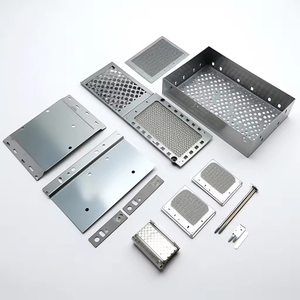
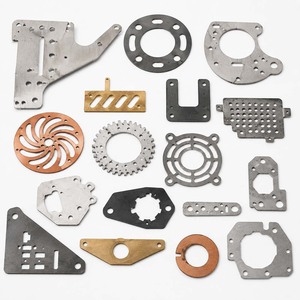
Explore our validated OEM product lines engineered to strict EU ISO 13485 and FDA medical-grade standards.

Executive Overview: The Surgical Stainless Steel Supply Chain in Spain
Spain has emerged as a crucial MedTech manufacturing hub within the European Union, driven by vibrant clusters in Catalonia (Barcelona), the Basque Country, Madrid, and Valencia. Sourcing medical-grade stainless steel in the Iberian region requires a granular understanding of metallurgical specifications, international regulatory frameworks, and local manufacturing infrastructure. Surgical stainless steel is not a single material, but a broad family of specialized alloys engineered for bio-compatibility, extreme corrosion resistance, and high mechanical fatigue strength under repeated sterilization cycles.
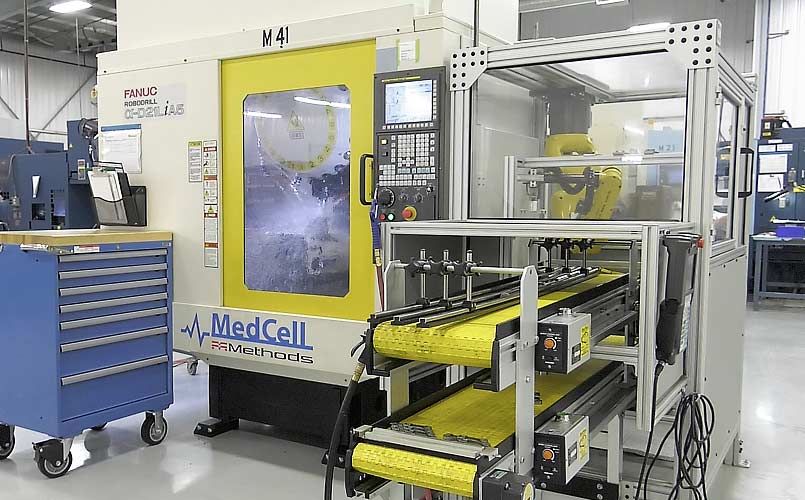
With the full implementation of the European Union Medical Device Regulation (EU MDR 2017/745), procurement executives and OEM design engineers in Spain face rigorous requirements regarding material composition, bio-compatibility testing, chemical leaching standards (such as REACH and RoHS limits on Nickel release), and end-to-end supply chain auditability. Selecting the right supplier involves evaluating raw material melt purity (e.g., Vacuum Arc Remelting - VAR), secondary processing capabilities, CNC machining precision, and post-machining surface treatments like passivation and electropolishing.
Information Gain Insight: Modern surgical instruments manufactured in Southern Europe rely heavily on premium austenitic grades (ASTM F138 / 316LVM) for temporary implantables, martensitic stainless steels (ISO 7153-1 / AISI 420, 440C) for razor-sharp cutting tools, and precipitation-hardening alloys (17-4PH / Custom 455) for structural orthopedic handles requiring high torque capacity.
Key Medical-Grade Stainless Steel Alloys Utilized by Spanish OEMs
To establish competitive advantages in technical procurement, engineering teams must align specific surgical applications with the underlying metallurgical characteristics of the alloy. Below is a detailed breakdown of the primary surgical stainless steel grades processed by leading Spanish manufacturers:
Top 10 Surgical Stainless Steel Manufacturers & Suppliers in Spain
Evaluated based on ISO 13485 certification, machining precision, EU MDR regulatory compliance, and localized logistics support.
Greyack Medical Contract Manufacturing Competencies
Providing Spanish and global medical OEMs with an end-to-end, audit-ready manufacturing supply chain.
Localized Application Scenarios in Spain's MedTech Clusters
Understanding how stainless steel component demands vary across regional Spanish manufacturing ecosystems.
Catalonia: Orthopedic Implant Tooling & Traumatology
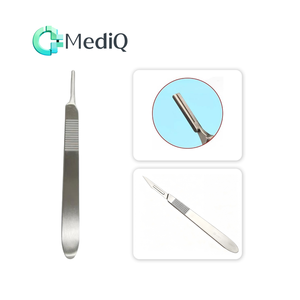
The Barcelona hub hosts major European orthopedics innovators. Procurement centers here heavily demand 316LVM bone plates, 17-4PH ratcheting drivers, and ultra-sharp 420 scalpel handles capable of enduring harsh cleaning and autoclave cycles without surface degradation.
Madrid Tech Belt: Minimally Invasive & Surgical Robotics
Madrid’s medical robotics sector focuses on high-precision end effectors, micro-gears, and flexible wrist instruments. These components utilize Custom 465 and precipitation-hardened stainless steel to maximize mechanical yield strength in compact form factors.
Basque Country: Precision Instrumentation & Sterilization Baskets
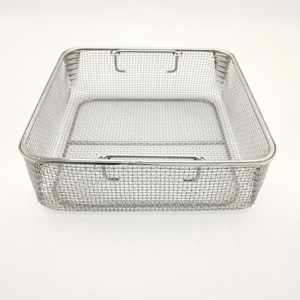
Leveraging industrial machining expertise, Basque suppliers produce heavy-duty stainless steel surgical trays, electropolished wire mesh baskets, and high-torque spinal retractors designed for longevity in high-throughput hospital central sterile supply departments (CSSD).
Valencia & Mediterranean Arc: Dental Tools & Micro-Drills
Dental tool manufacturers in Valencia require precision centerless-ground martensitic stainless steel bars to produce burrs, taps, and abutment drivers with sub-micron concentricity tolerances to ensure perfect seating into titanium dental implants.
Key Market Trends Shaping Spanish Surgical Steel Procurement
1. EU MDR 2017/745 Bio-Compatibility and REACH Nickel Limits
European regulatory enforcement has placed nickel release limits under intense scrutiny. Spanish OEMs are increasingly shifting away from standard 304 or lower-grade steels towards high-purity 316LVM or specialized nickel-free surgical stainless steel grades for items maintaining contact with skin or tissue. Procurement contracts now universally demand REACH SVHC declarations and certified bio-compatibility data (ISO 10993).
2. Transition to Additive-Machining Hybrid Workflows
Rather than relying solely on subtractive CNC machining from solid bar stock, leading Spanish manufacturers are combining powder-bed fusion (PBF) 3D printing with secondary CNC machining. This hybrid workflow allows the creation of porous, bone-ingrowth stainless surfaces alongside micro-machined threaded interfaces within a single unified component.
3. Sustainable & Circular Stainless Steel Sourcing
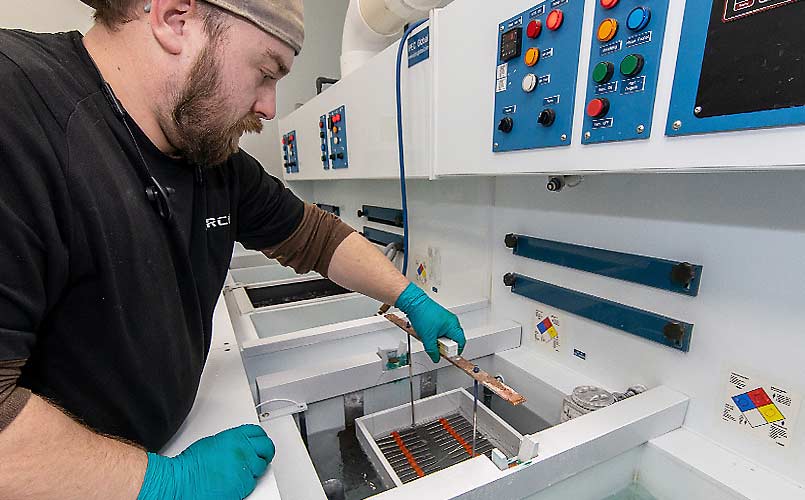
Aligning with Spain's national circular economy strategy (España Circular 2030), medical buyers prioritize suppliers offering scrap recycling traceability, low-carbon electric arc furnace (EAF) melted steel stock, and environmentally benign citric acid passivation over traditional nitric acid systems.
Frequently Asked Questions by Spanish Sourcing Teams
Technical guidance for procurement directors, quality engineers, and supply chain managers.
What surgical stainless steel grades are compliant with EU MDR for handheld instruments vs implants?
How do Spanish OEMs verify REACH compliance for imported raw surgical steel?
What documentation must accompany surgical component shipments into Spain?
Why choose Citric Passivation over Nitric Passivation for medical surgical tools?
What is the typical lead time for custom CNC-machined surgical prototypes in Spain?
Ready to Source ISO 13485 Validated Surgical Stainless Steel?
Partner with Greyack Medical for precision CNC machining, custom surgical tools, scalpel handles, and medical baskets tailored for the Spanish and European MedTech market.