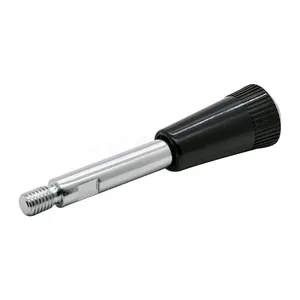
Featured Medical Catalog
Precision Surgical & Orthopedic Component Recommendations
Engineered for micron-level tolerance, maximum biocompatibility, and repeatable performance in critical surgical procedures across Portugal.
Executive Whitepaper Analysis
High-Precision Surgical Cutting Instrumentation for Portugal’s Evolving Healthcare Infrastructure
An in-depth technical guide on contract manufacturing standards, material selection, thermal necrosis mitigation, and EU MDR compliance for OEM procurement leads.
±0.003mm
Micron Flute Tolerance
ISO 13485
Certified Quality Management
< 47°C
Osteotomy Thermal Threshold
100%
EU MDR Traceability
The Strategic Shift in Portuguese Medical Manufacturing Procurement
Portugal’s healthcare sector, anchored by the public Serviço Nacional de Saúde (SNS) alongside rapidly expanding private hospital networks such as Grupo CUF, Luz Saúde, and Lusíadas Saúde, is undergoing a substantial modernization phase. As surgical volume rises in complex arthroplasty, minimally invasive spine surgery (MISS), maxillofacial reconstruction, and robotic-assisted procedures, the demand for ultra-grade, reliable surgical cutting tools has escalated dramatically.
For medical device Original Equipment Manufacturers (OEMs) and local distributors supplying the Portuguese market, securing verified contract manufacturing partners is no longer merely about cost efficiency—it is about strict adherence to European Union Medical Device Regulation (EU) 2017/745 (MDR) and ensuring zero-defect cutting performance during intraoperative bone resection.
Mitigating Thermal Necrosis via Engineering Excellence
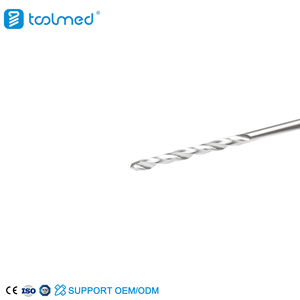
The core indicator of surgical cutting tool quality lies in its ability to excise bone tissue without elevating cortical temperature beyond the critical osteocyte necrosis threshold of 47°C for 1 minute. Poorly ground drills, reamers, or saw blades induce frictional thermal buildup, leading to localized micro-fractures, delayed osseointegration, and early implant looseness.
- Optimized Flute Rake Angles: Custom 5-axis CNC grinding ensures sharp cutting edges that shear bone cleanly rather than rubbing.
- Advanced Debris Clearance: Helical internal cooling channels and variable flute pitch expel bone slurry instantly, preventing clogging.
- Surface Tribology: Application of Physical Vapor Deposition (PVD) coatings like Titanium Aluminum Nitride (AlTiN) and Diamond-Like Carbon (DLC) lowers friction coefficients below 0.15.
Technical Metallurgy Comparison
Bio-Compatible Alloys & Tooling Specifications
Comparative structural matrix detailing material selections for custom surgical cutting tool fabrication.
| Material Alloy Specification | Hardness (HRC) | Corrosion Resistance | Primary Clinical Application | Sterilization Life Cycles |
|---|---|---|---|---|
| ASTM F138 (316L Stainless) | 28 - 35 HRC | High (Passivated) | Single-use bone drills, tissue elevator shafts, standard connectors | 50+ Autoclave Cycles |
| Custom 455 / 465 Stainless Steel | 48 - 54 HRC | Exceptional | High-torque surgical reamers, osteotomes, heavy-duty orthopedic saws | 500+ Autoclave Cycles |
| Ti-6Al-4V ELI (Grade 23 Titanium) | 32 - 38 HRC | Maximum / Biocompatible | MRI-compatible spinal tools, depth-gauge probes, micro-cutters | 1000+ Autoclave Cycles |
| M2 / M42 High Speed Steel (Coated) | 62 - 66 HRC | Medium (Requires PVD) | Industrial surgical tool tooling, rigid end mill cutters, master reamers | Validated Protocol |
| Medical Grade PEEK + DLC Shaft | Flexural 170 MPa | Complete Chemical Inertness | Radiolucent surgical drill guides, minimally invasive neurological handles | 300+ Autoclave Cycles |
Targeted Clinical Ecosystems
Localized Applications Across Portugal’s Primary Surgical Hubs
Tailored contract manufacturing solutions aligned with regional clinical specializations from Lisbon to Porto.
Lisbon Metropolitan Arthroplasty & Trauma Centers
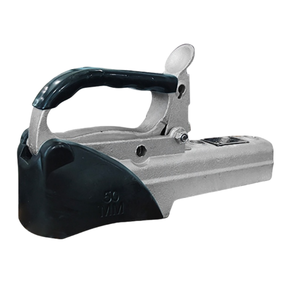
Serving premier facilities such as Hospital de Santa Maria (ULSSM) and Hospital da Luz Lisboa with high-precision hip and knee total replacement reamers. Features custom quick-connect couplings and MedTorque silicone handles engineered for zero slippage during high-impact impaction and reaming.
Coimbra Academic Minimally Invasive Spine (MISS) Hubs
Providing Centro Hospitalar e Universitário de Coimbra (CHUC) surgical teams with micro-fluted neurological burs (Ø0.8mm to 2.0mm) holding concentricity tolerances within ±0.002mm. Prevents nerve root chatter and ensures precise lamina thinning during delicate spinal decompression.
Porto & Northern Region Implantology Clusters
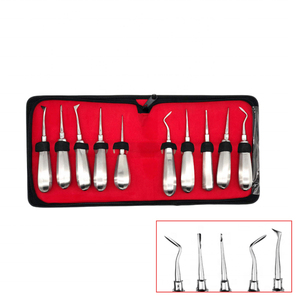
Delivering micro-machined dental root elevators, trephine drills, and step drills for private dental clinics and OEM brand houses in Porto and Braga. Made from ultra-hard, passivated stainless steel resistant to aggressive chemical disinfection regimes mandated by Infarmed.
Forward-Looking Industry Insights
Regulatory Rigor under Infarmed & EU MDR 2017/745
Navigating the regulatory landscape in Portugal requires seamless coordination with Infarmed (Autoridade Nacional do Medicamento e Produtos de Saúde). Under EU MDR rules, reusable surgical cutting tools fall under heightened scrutiny (Class I Reusable Surgical Instruments - Class Ir).
Greyack Medical provides comprehensive technical dossier documentation, including:
- Full Material Traceability: Raw material heat treatment reports, melt certificates, and chemical analysis (ASTM F899 compliance).
- Reprocessing Validation: Cleaning, disinfection, and steam sterilization validation files meeting ISO 17664 standards.
- 100% Optical Inspection: Coordinate Measuring Machine (CMM) dimensional verification data for design history files (DHF).
Supply Chain Resilience for European OEMs
European medical procurement officers are rapidly shifting away from single-source Asian suppliers toward multi-site contract manufacturers possessing verified FDA registrations and ISO 13485 accreditations.
By establishing robust OEM supply lines with short lead times, Portuguese medical vendors can safeguard against global transport delays while ensuring 100% batch consistency.
Request Engineering Consultation
Why Partner With Us
Greyack Medical Manufacturing Capabilities
Integrating end-to-end machining, medical grinding, additive manufacturing, and automated assembly under one quality management system.
5-Axis CNC Swiss Machining
High-speed turning and milling cells equipped with live tooling, enabling single-setup fabrication of complex ergonomic handles, quick-connect couplers, and intricate surgical shafts.
Precision CNC Flute & Thread Grinding
Sub-micron CNC grinding machines capable of producing sharp bone drill points, variable pitch reamer flutes, and micro-thread profiles with zero micro-burr generation.
Validated Passivation & Cleanroom
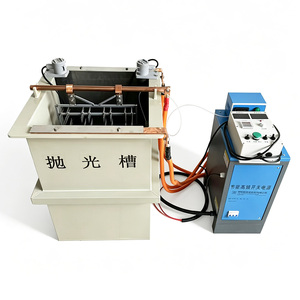
In-house citric and nitric passivation lines operating under ASTM A967 benchmarks, paired with ISO Class 7 cleanroom packaging capabilities for ready-to-sterilize OEM shipments.
Accelerate Your Medical Tooling Program in Portugal
Send your CAD models (.STEP / .IGES) and technical specifications to our senior engineering team for immediate Design for Manufacturability (DFM) review.
Inquire Now
Procurement & Technical FAQ
Frequently Asked Questions by OEM Sourcing Directors
Detailed answers regarding minimum order quantities, regulatory certificates, custom tooling lead times, and sterilization protocols.
What regulatory documentation is supplied for surgical tools shipped to Portugal? +
Every shipment of surgical cutting tools destined for the Portuguese market includes a comprehensive quality documentation package. This comprises Raw Material Mill Certificates (compliant with EN 10204 3.1), Certificates of Conformance (CoC), 100% CMM First Article Inspection (FAI) reports according to AS9102 / ISO standards, Passivation Verification Test results (ASTM A967), and full lot traceability data to support your EU MDR Technical File submissions to Infarmed or European Notified Bodies.
How do you guarantee runout accuracy on micro bone drills and reamers? +
Concentricity and total indicated runout (TIR) are controlled through precision CNC grinding machines operating in climate-controlled production facilities. We utilize in-process laser measurement systems and non-contact optical comparators to ensure runout tolerances remain below ±0.003mm. This guarantees that during high-RPM surgical operation, cutting instruments rotate perfectly concentric, preventing bone hole enlargement or tool wobbling.
Can Greyack Medical assist with custom prototype development and DFM analysis? +
Yes. Our engineering staff specializes in Design for Manufacturability (DFM) support. When receiving 3D drawings from OEM product designers, we evaluate flute geometry, web thickness, rake angles, and material choice to optimize cutting efficiency while reducing unit manufacturing costs. Rapid prototyping lead times typically range from 5 to 15 business days depending on geometric complexity.
What surface treatments are available to extend cutting edge longevity? +
We provide a variety of biocompatible Physical Vapor Deposition (PVD) coatings designed for surgical instruments. Options include Titanium Nitride (TiN) for gold visual distinction and hardness, Titanium Aluminum Nitride (AlTiN) for maximum thermal barrier protection, and Diamond-Like Carbon (DLC) for ultra-low friction on bone contact areas. All coatings are validated to withstand repeated high-temperature steam autoclave cycles without delamination.
What are the minimum order quantity (MOQ) requirements for contract manufacturing? +
We accommodate both small-batch prototype runs (10 to 50 units for clinical trials or surgeon feedback evaluations) and full-scale commercial manufacturing runs exceeding 50,000 units annually. Blanket purchase order scheduling and safety stock agreements are available to support just-in-time delivery for Portuguese distributors and OEM assembly operations.
Are silicone handles and quick-connect couplings customizable for OEM branding? +
Absolutely. Through our MedTorque product line, we offer custom-molded silicone-handled instruments featuring ergonomic grip textures, custom color-coding for surgical tray identification, high-definition laser etching for part numbers and company logos, and proprietary quick-connect ratcheting or torque-limiting couplings designed to interface seamlessly with standard surgical power systems.