Precision Minimally Invasive Surgical Instruments Catalog
Engineered for exacting clinical performance, superior ergonomic tactile feedback, and exceptional structural longevity across complex surgical disciplines.
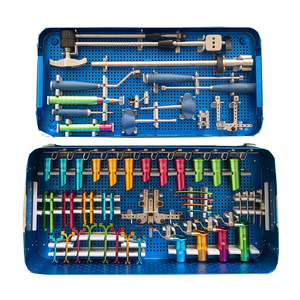
- Material: 316L VM Stainless / Ti-6Al-4V
- Application: OLIF / MIS Spine Fusion
- Feature: Radiolucent Tubular Expansion
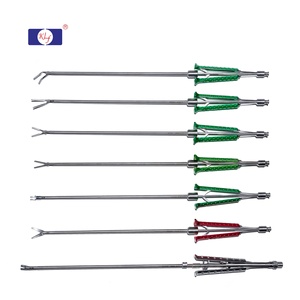
- Material: German Stainless Steel
- Application: MICS / Valve Replacement
- Feature: Micro-forceps & Shaft Retractors
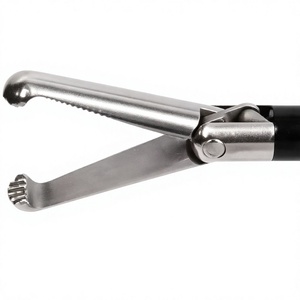
- Diameter: 5mm Shaft Outer Diameter
- Jaw Mechanism: Non-traumatic Serrated
- Feature: 360-Degree Rotation Wheel
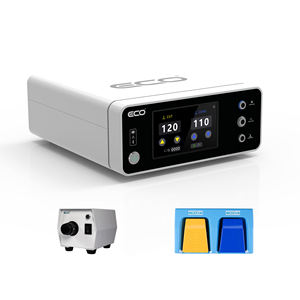
- Temp Range: 40°C - 70°C Thermal Profile
- Application: ENT Tonsillectomy / Turbinate
- Feature: Integrated Saline & Suction
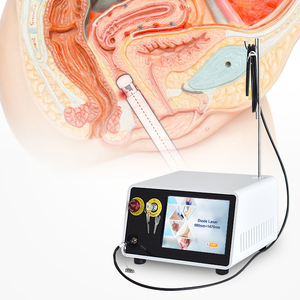
- Wavelengths: Dual 980nm + 1470nm Emission
- Delivery: 360-Degree Radial Optical Fiber
- Feature: Precise Submucosal Targeting
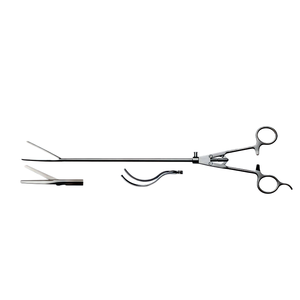
- Length: 220mm Single-Joint Axis
- Application: VATS / Thoracoscopic Lung Resection
- Feature: Autoclavable Ergonomic Handle
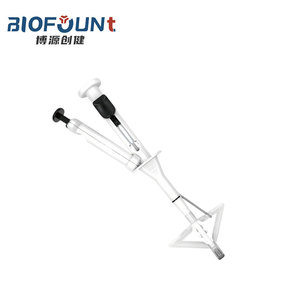
- Jaw Opening: 50mm Full Width Clearance
- Application: Laparoscopic Trocar Site Closure
- Feature: Full Thickness Suture Placement
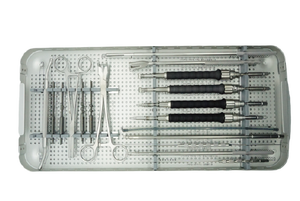
- Rod Diameter: 5.5mm System Compatibility
- Application: MIS Transpedicular Fixation
- Feature: Percutaneous Rod Inserter Set
Industry Whitepaper: The Evolution of Minimally Invasive Surgery (MIS) in the Philippines
The healthcare ecosystem in the Philippines is undergoing a profound paradigm shift driven by modern surgical technology adoption, expanding hospital infrastructure, and supportive national health programs. Minimally Invasive Surgery (MIS)—spanning laparoscopic, thoracoscopic, endoscopic, micro-cardiac, and percutaneous spinal interventions—has transitioned from a specialized luxury in tertiary medical centers to a fundamental standard of care across both public and private health sectors.
According to recent strategic healthcare data from the Philippine Department of Health (DOH) and the Philippine Society of General Surgeons (PSGS), the volume of laparoscopic and minimally invasive procedures has grown by over 18% annually across key urban hubs including Metro Manila (National Capital Region), Metro Cebu, and Metro Davao. This accelerated growth is catalyzed by several systemic factors unique to the archipelago:
1. Infrastructure Expansion & DOH Health Facility Enhancement Program (HFEP)
Through the Health Facility Enhancement Program, public medical centers such as the Philippine General Hospital (PGH), East Avenue Medical Center (EAMC), Vicente Sotto Memorial Medical Center (VSMMC) in Cebu, and Southern Philippines Medical Center (SPMC) in Davao are receiving substantial capital allocation to modernize operating theaters. Advanced laparoscopic towers, C-arm fluoroscopy suites, and specialized MIS instrumentation sets are being integrated into regional trauma centers and specialty public hospitals to shorten inpatient stay and decrease overall healthcare delivery expenditures.
2. Rise of Private Healthcare Conglomerates & Medical Tourism
Leading private hospital networks—including Mount Grace Hospitals, Metro Pacific Health, and premier independent institutions like St. Luke's Medical Center, The Medical City, Makati Medical Center, and Asian Hospital and Medical Center—are actively investing in state-of-the-art minimally invasive surgical instruments. Furthermore, the Philippines is positioning itself as an emerging medical tourism destination in Southeast Asia for cost-effective orthopedic, gynecological, and aesthetic procedures. International patients demand international-standard instrument reliability, low postoperative infection rates, and minimal scarring.
3. Universal Healthcare Act (RA 11223) & PhilHealth Expansion
The progressive rollout of the Universal Healthcare (UHC) Act under PhilHealth has broadened coverage for complex surgical packages. As reimbursement models incentivize procedures with reduced hospitalization lengths and lower complication rates, surgical departments across the provinces of Luzon, Visayas, and Mindanao are switching from traditional open surgical techniques to laparoscopic cholecystectomy, MIS pedicle screw fixation, and VATS lung resection.
| Surgical Specialty | Traditional Open Surgery Impact | MIS Instrument Solution Advantage | Target Philippine Clinical Benchmark |
|---|---|---|---|
| MIS Spine (OLIF/TLIF) | High blood loss, 5-7 days recovery, large lumbar incision | 5.5mm MIS System Manual tubular retractors & percutaneous screw inserters | Reduce inpatient stay to 1-2 days; 60% less blood loss |
| Laparoscopy & GI | Extensive abdominal cuts, elevated incisional hernia risk | 5mm Graspers Disposable hollow graspers & fascia closure devices | Trocar site closure under 3 min; zero hernia complications |
| Thoracic (VATS) | Rib-spreading thoracotomy, acute postoperative pain | 220mm Clamps Reusable single-jointed non-traumatic lung clamps | Preserve chest wall stability; lower analgesia reliance |
| ENT & Head/Neck | Thermal tissue necrosis, painful healing via electrocautery | Plasma Wand Low-temp (40-70°C) coblation & plasma ablation wands | Sub-surface tissue ablation with minimal thermal collateral damage |
| Gynecology & Wellness | Invasive reconstructive surgery requiring downtime | Dual Laser 980nm+1470nm radial laser tightening instruments | Outpatient procedure; precise collagen remodeling |
Localized Application Scenarios in Philippine Hospitals
Bridging Swiss-level micro-machining precision with the practical demands of Philippine operating rooms, surge volume capacities, and tropical sterilization workflows.
Engineering Excellence & Contract Manufacturing Foundations
As a global leader in medical contract manufacturing, we operate FDA-registered and ISO 13485-certified facilities dedicated to precision machining, medical grinding, additive manufacturing, finishing, and cleanroom assembly for Tier-1 medical OEMs, hospital networks, and authorized medical device importers in the Philippines.
Frequently Asked Questions by Philippine Buyers & Importers
Essential regulatory, technical, logistics, and commercial information for medical device procurement directors, hospital administrators, and local distributors.
Partner with a Premier Minimally Invasive Instruments Manufacturer
Elevate your hospital surgical capabilities or expand your medical distribution portfolio in the Philippines with certified precision surgical tooling, full regulatory compliance, and factory-direct pricing.