Precision-Machined Medical Implants & Specialized Instrumentation
Manufactured to rigid medical OEM engineering specifications with full batch lot traceability, controlled cleanroom passivation, and sub-micron dimensional tolerances.
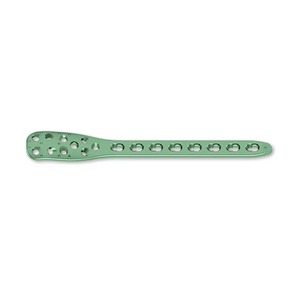
Wholesale Orthopedic Implants Export Quality Surgical Implant Manufacturer
Contact Us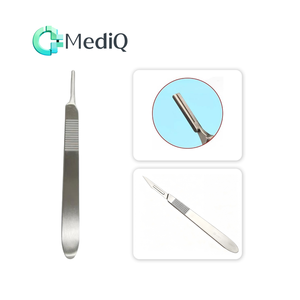
Medical Grade Thickened Stainless Steel Surgical Scalpel No.3 Handle
Contact Us
Gr1 Titanium Mirror Sheet ASTM B265 99.9% Purity for Medical Devices
Contact Us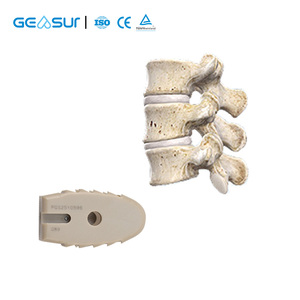
Orthopedic PEEK PLIF Lumbar Interbody Fusion Spine Fixation Implant
Contact Us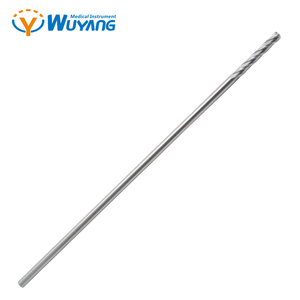
Stainless Steel Cannulated Hollow Drill Bit Set for Orthopedic Trauma
Contact Us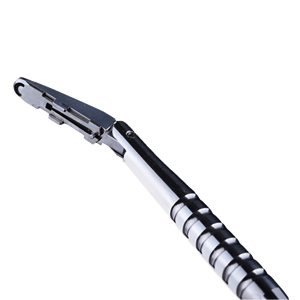
Manual Dental Bone Curette Reusable Sharp Surgical Instrument
Contact Us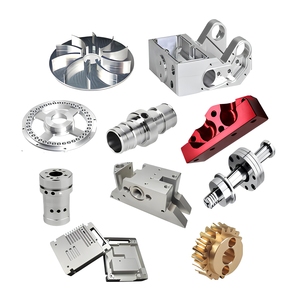
Custom CNC Precision Turning & Machining Service for Medical OEM Parts
Contact Us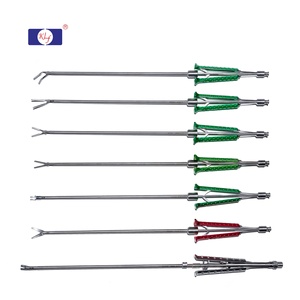
Minimally Invasive Cardiac Surgery Instrument Set & Tool Modules
Contact UsMicro Medical Component Manufacturing: Engineering Excellence for Seattle's MedTech Cluster
An in-depth guide to overcoming mechanical, metallurgical, and regulatory bottlenecks in micro-scale medical device fabrication within the Pacific Northwest innovation corridor.
1. The Physics of Micro-Scale Machining in Implantable Alloys
Fabricating micro medical components—such as neurovascular wire crimps, cannulated trauma pins, micro-fluidic manifold blocks, and robotic end-effector joints—presents unique physics challenges. At dimensional scales below 1.0mm, material shear mechanisms shift. Cutting tool edge radii approach the feed rate per tooth, turning cutting forces into high-pressure material plowing.
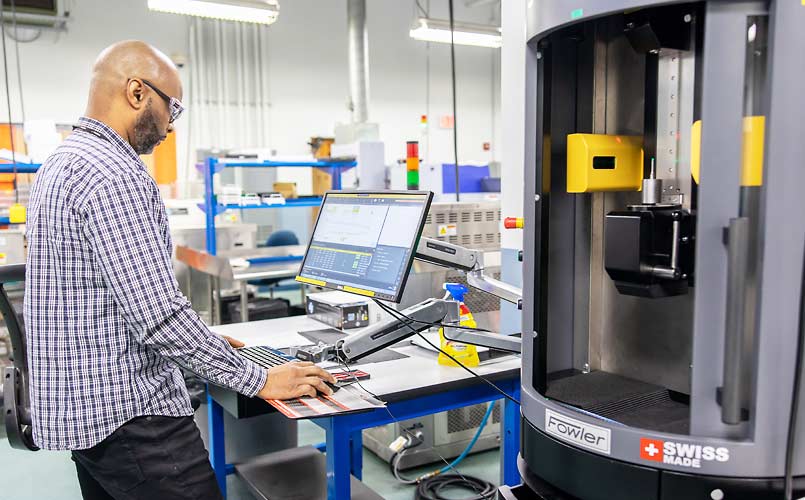
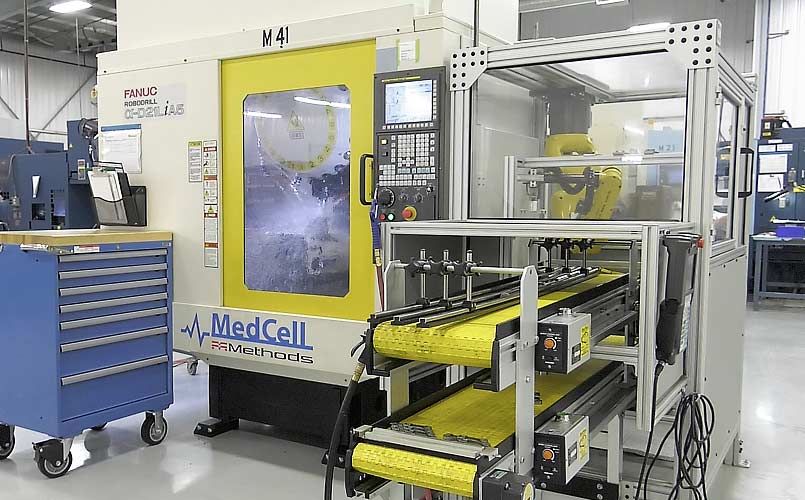
At Greyack Medical, our Swiss CNC micro-lathes and multi-axis machining centers utilize high-frequency oil-cooled spindles operating at up to 80,000 RPM. By coupling ultra-fine grain carbide tooling with high-pressure oil lubrication (exceeding 2,000 PSI), we eliminate localized heat accumulation that can cause phase shifts in Titanium Grade 5 ELI (Ti-6Al-4V) or Cobalt-Chromium-Molybdenum (CoCrMo ASTM F75) alloys.
2. Micron-Level Geometric Controls & Feature Resolution
Medical original equipment manufacturers (OEMs) across Washington State require stringent concentricity, true position, and surface finish metrics to guarantee clinical safety. Micro-hole drilling down to 50 microns (0.05mm) with depth-to-diameter aspect ratios exceeding 15:1 requires specialized Peck-drilling algorithms combined with real-time acoustic emission monitoring.
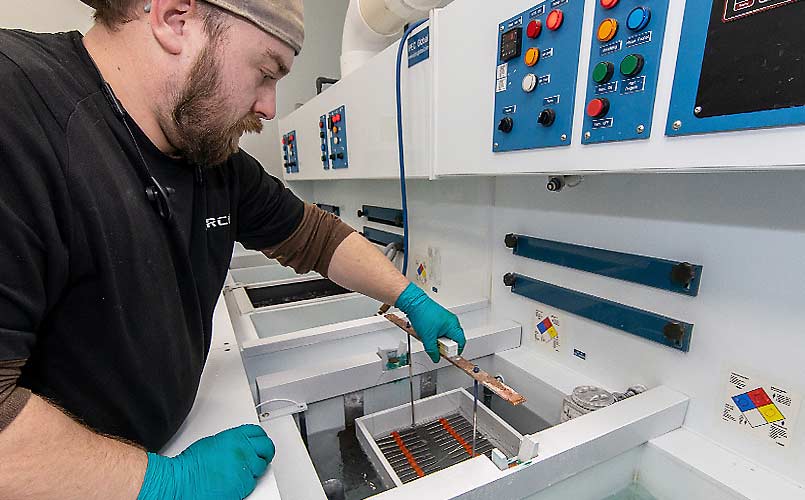
Furthermore, micro-thread grinding for cranial fasteners and dental abutments requires pitch accuracy within 2 microns. Hand deburring under stereomicroscopes is prone to human variation; therefore, Greyack Medical leverages automated thermal energy de-burring (TEM), chemical electropolishing, and precision laser ablation to deliver burr-free edges at 500x magnification.
Localized Micro Manufacturing Engineering for Seattle MedTech Sectors
Tailored contract manufacturing solutions built to match the specific application requirements of Pacific Northwest medical device original equipment manufacturers.
Surgical Robotics & End-Effectors
The Seattle metropolitan area is a global epicenter for minimally invasive surgical (MIS) robotics. We produce multi-articulating wrist joints, micro cable pulleys, micro gearbox components, and stainless steel housing units designed for seamless integration into next-gen robotic master-slave arms.
Spinal & Cranial Micro Implants
Supporting orthopedic medical device clusters in Bothell and Bellevue, we machine complex PEEK Optima interbody PLIF cages, titanium micro bone anchor screws, and dynamic cervical spine plates. Our 5-axis Swiss machines process complex geometries without setup stack-up errors.
Neurovascular & Cardiac Implants
For life science R&D teams operating near South Lake Union and University of Washington spin-offs, we supply cannulated micro-tubing, Nitinol valve deployment housings, and micro-punches holding concentricity under 0.003mm for delicate vascular surgeries.
Medical Materials & Processing Capabilities Benchmark
Comparing raw material performance, machinability indexes, and cleanroom finishing standards for high-precision OEM applications.
| Biocompatible Material | Common Medical Standard | Micro Machining Tolerance | Achievable Surface Roughness | Primary Seattle Medical Application |
|---|---|---|---|---|
| Titanium Grade 5 ELI | ASTM F136 / ISO 5832-3 | ±0.0015 mm (1.5 μm) | Ra 0.10 μm / 4 micro-inch | Orthopedic Trauma Screws, Cranial Plates |
| PEEK (Polyetheretherketone) | ASTM F2026 Medical Grade | ±0.0025 mm (2.5 μm) | Ra 0.20 μm / 8 micro-inch | Spinal Interbody Cages, Insulating Robotics Bushings |
| 316LVM Stainless Steel | ASTM F138 Vacuum Melt | ±0.0010 mm (1.0 μm) | Ra 0.05 μm / 2 micro-inch | Surgical Scalpels, End-Effector Cables & Pins |
| Cobalt-Chromium (CoCrMo) | ASTM F75 / ASTM F1537 | ±0.0020 mm (2.0 μm) | Ra 0.05 μm (Mirror Finish) | Joint Replacement Bearings, Dental Abutments |
| Nitinol (Ni-Ti Shape Memory) | ASTM F2063 | ±0.0030 mm (3.0 μm) | Ra 0.15 μm Electropolished | Vascular Stent Housings, Micro Grippers |
Emerging Trends Driving Seattle's Micro Medical Manufacturing Demands
How leading OEMs in King and Snohomish counties are adapting their supply chain strategies to address clinical miniaturization and regulatory tightening.
Trend 1: Accelerated Shift Toward Hybrid Manufacturing (Additive + Micro Swiss CNC)
Seattle medical device engineers are increasingly combining Powder-Bed Fusion (PBF) 3D printing with subtractive Swiss CNC turning. Additive manufacturing creates porous bone-ingrowth lattice structures on orthopedic implants, while post-process micro-machining turns sealing threads and mating interfaces to micron tolerances. Greyack Medical delivers complete hybrid manufacturing under one quality umbrella.
Trend 2: Supply Chain Resiliency & De-risking Nearshore Sourcing
Disruptions in global logistics have forced PNW MedTech procurement directors to prioritize regional risk mitigation. Establishing validated domestic contract manufacturing partners with complete Device History Record (DHR) generation ensures rapid prototyping cycles, frictionless engineering reviews, and agile scaling from low-volume R&D trials to mass production.
Why Leading Seattle Medical OEMs Trust Greyack Manufacturing
Combining world-class technical capabilities, certified quality assurance, and end-to-end engineering support.
FDA Registered & ISO 13485 Certified
Full compliance with international medical quality standards. Complete lot traceability, material mill test certifications, and audit-ready documentation for every shipment.
In-House Micro Grinding & Passivation
From flute and drill-point grinding to controlled citric and nitric passivation, we manage critical secondary finishing operations in-house to reduce lead times and quality risks.
Design for Manufacturability (DFM) Assist
Our senior staff engineers review early-stage 3D CAD models, offering key feedback on tolerances, radius reliefs, and material selection to minimize production unit costs.
Frequently Asked Questions by Seattle OEM Procurement Teams
Clear technical and logistical answers to help engineering and sourcing directors qualify Greyack Medical as a preferred supplier.
Is Greyack Medical FDA registered and certified to ISO 13485? +
What micro-machining tolerances can Greyack maintain for surgical robotics parts? +
How does Greyack Medical support medical device startups in the Greater Seattle area? +
Can you process medical-grade PEEK and implantable Titanium alloys? +
What secondary finishing and cleanroom operations are available? +
How do we submit an RFQ for micro medical manufacturing in the Seattle market? +
Partner with Seattle's Leading Micro Medical Contract Manufacturer
Accelerate your medical device program from early prototyping to fully validated ISO 13485 production runs with Greyack Medical's sub-micron engineering team.
Contact Us