Featured Implantable Devices & Surgical Precision Tooling
Engineered and passivated for biocompatibility, corrosion resistance, and regulatory compliance across Indonesian healthcare facilities.
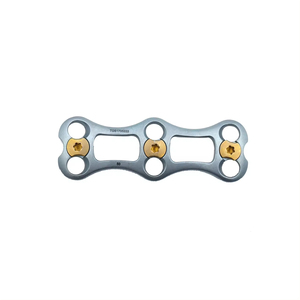
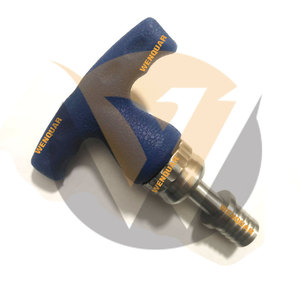
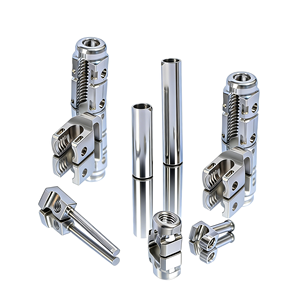
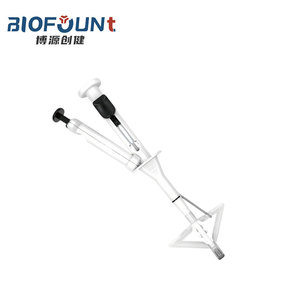
Engineering Excellence in Medical Passivation Services for the Greater Jakarta Healthcare Cluster
In the rapidly expanding medical device manufacturing landscape across Special Capital Region of Jakarta (DKI Jakarta) and its adjacent industrial hubs—including Cikarang, Karawang, and Tangerang—maintaining the metallurgical integrity of surgical instruments and implantable devices is paramount. As Indonesia accelerates its local medical device production under national healthcare directives (Kemenkes RI guidelines) and stringent TKDN (Tingkat Komponen Dalam Negeri) domestic value mandates, healthcare original equipment manufacturers (OEMs) demand contract manufacturing partners capable of delivering certified chemical passivation processes that comply with international biocompatibility standards.
Chemical passivation is not merely a surface cleaning step; it is a critical chemical kinetics transformation designed to optimize the surface stoichiometry of corrosion-resistant alloys. Machining, grinding, micro-milling, and wire EDM operations introduce exotic contaminants, free iron ($Fe$), machining coolants, and embedded particulate matter onto component surfaces. Left untreated, free iron oxides rapidly induce localized pitting corrosion, crevice corrosion, and premature stress corrosion cracking when exposed to human body fluids, saline solutions, or repeated autoclave sterilization cycles in hospital environments like Rumah Sakit Cipto Mangunkusumo (RSCM) or Siloam Hospitals.
Greyack Medical provides advanced, validated medical passivation services engineered explicitly for medical device OEMs serving the Jakarta market. Operating under an FDA-registered and ISO 13485 certified quality management framework, our post-machining passivation methodologies enforce strict compliance with ASTM A967 / ASTM A967M (Standard Specification for Chemical Passivation Treatments for Stainless Steel Parts), ASTM F86 (Standard Practice for Surface Preparation and Marking of Metallic Surgical Implants), and ASTM F1089 (Standard Test Method for Corrosion of Surgical Instruments).
Chromium Enrichment Kinetics
Selective dissolution of surface iron ions to maximize the passive $Cr_2O_3 / FeO$ ratio, generating an inert passive oxide film exceeding 1.5 to 2.5 nm in thickness for surgical longevity.
Advanced Citric & Nitric Systems
Controlled automated passivation lines utilizing environmentally friendly Citric Acid formulations (ASTM A967 Citric 4 & 5) alongside sodium dichromate-inhibited Nitric Acid baths.
100% Traceable Quality Control
Rigorous validation testing incorporating High-Humidity Exposure (ASTM A967 Practice A), Copper Sulfate Testing (Practice B), Salt Spray testing (ASTM B117), and XPS surface chemistry validation.
Metallurgical Mechanisms: How Passivation Guarantees Biocompatibility
When surgical grade austenitic stainless steels (such as 316L, 316LVM) or martensitic stainless steels (such as 420, 440C, 17-4 PH, 455 Custom) are subjected to high-speed CNC milling, micro-drilling, or thread grinding, microscopic iron particles from cutting tools deposit onto the part geometry. In tropical, humid climates such as Jakarta, ambient exposure accelerates immediate iron oxidation, forming rust pockets ($Fe_2O_3$) that breach the metal substrate.
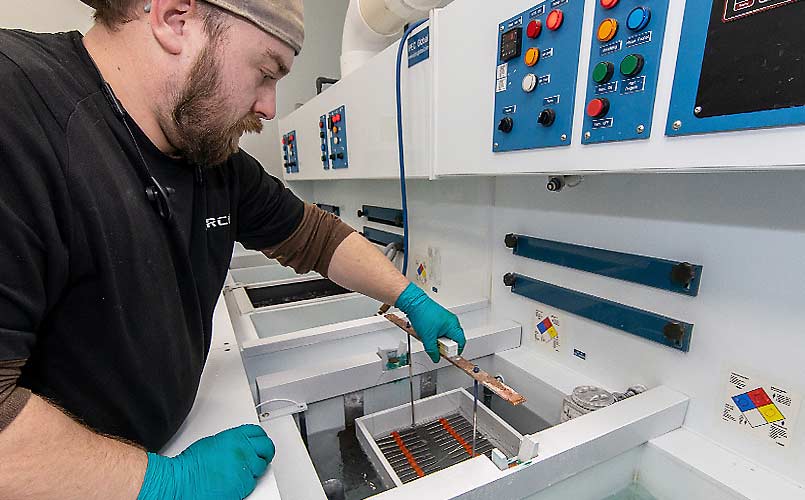
Our specialized passivation process works by immersing pre-cleaned components in tailored acid baths. The solution selectively dissolves base elemental iron ($Fe$) while leaving chromium ($Cr$), nickel ($Ni$), and molybdenum ($Mo$) unreacted. Upon exposure to oxygenated Ultra-Pure Deionized Water (DI Water) and clean ambient air, chromium instantly reacts with atmospheric oxygen to construct a continuous, ultra-thin, dense passive oxide film ($Cr_2O_3$).
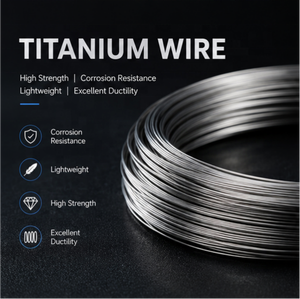
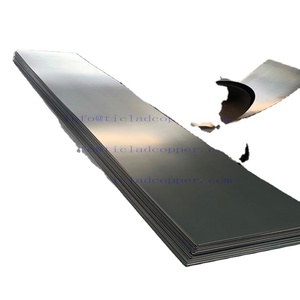
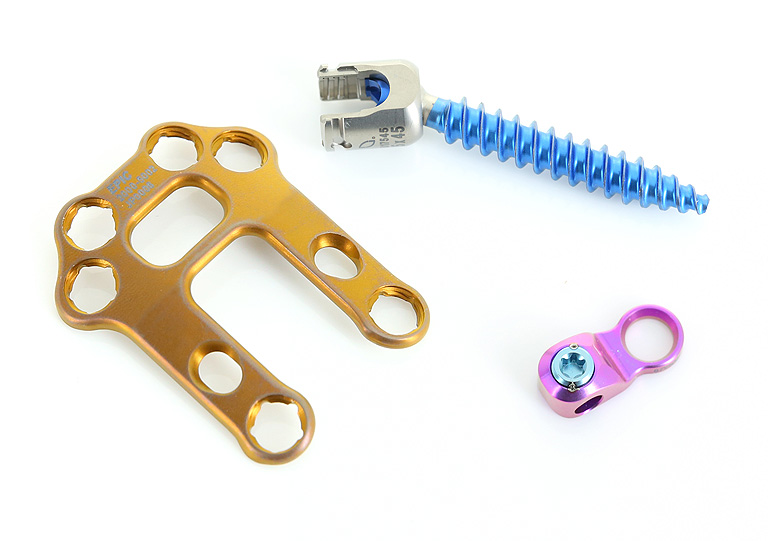
For titanium implants (Ti-6Al-4V ELI, Grade 2 ASTM F67, Grade 5 ASTM F136), our ASTM F86 surface preparation protocols utilize controlled nitric acid treatments to remove exogenous surface debris without disturbing the native protective Titanium Dioxide ($TiO_2$) rutile/anatase passivating layer, guaranteeing non-cytotoxic performance for orthopedic trauma and spinal fusion applications.
Passivation Chemistry Matrix for Medical Device Procurement
Selecting the optimal passivation chemistry depends heavily on material composition, geometric complexity, and end-use clinical conditions. Below is an engineering overview comparing industry standards used at Greyack Medical for Jakarta medical suppliers:
| Passivation Standard | Chemical Formulation | Target Alloys | Key Operational Advantages | Biocompatibility Profile |
|---|---|---|---|---|
| ASTM A967 Citric 4 / 5 | Citric Acid (4-10% w/w) + Surfactants | 316L, 316LVM, 17-4PH, 455, Titanium | Environmentally safe, zero heavy metals, leaves sulfur inclusions intact (lowers pitting risk) | Optimal for Class II & III orthopedic & spinal implants (ISO 10993) |
| ASTM A967 Nitric 2 | Nitric Acid (20-25% v/v) | 300 Series Stainless, Cobalt-Chrome | High aggressiveness, rapid iron dissolution, robust historical clinical acceptance | Standard for heavy surgical instrumentation sets |
| ASTM A967 Nitric 4 | Nitric Acid (20-25%) + Sodium Dichromate | Martensitic 400 Series (420, 440C) | Prevents flash attack on high-carbon steels; preserves razor-sharp cutting edges | Ideal for surgical burs, drills, osteotomes, reamers |
| ASTM F86 Practice | Nitric Acid Rinse / De-ionized H2O Oxidation | Ti-6Al-4V, Pure Titanium Gr 1-4 | Eliminates micro-contaminants; stabilizes native TiO2 protective dielectric barrier | Essential for bone screws, cervical plates, dental posts |
Target Application Scenarios in Jakarta & Greater Java Region
The Indonesian Ministry of Health (Kemenkes) requires rigorous quality verification for medical products distributed across public and private hospital networks. OEM factories producing surgical devices in Jabodetabek require specialized contract manufacturing support tailored to distinct medical disciplines:
-
✔
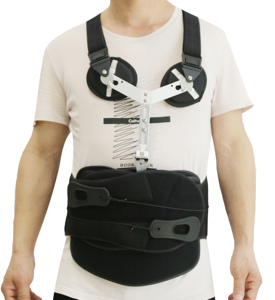
Orthopedic Implants & Fixation: Titanium spinal pedicle screws, anterior cervical plates, and acetabular hip cups requiring defect-free surface passivity to avoid ion leaching (nickel/cobalt toxicity) inside body tissue.
-
✔
Surgical Robotics & End-Effectors: Micro-machined surgical robotics components with ultra-fine internal channels requiring automated ultrasonic citric passivation to purge micro-burrs and machining oils.
-
✔
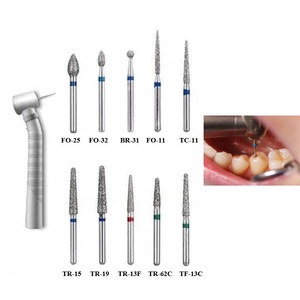
Dental Implant Systems: Precision-milled Grade 5 titanium dental abutments, surgical drills, and handpiece diamond burs needing micro-cleanliness free of free iron oxidation.
-
✔
Minimally Invasive Instruments: Silicone-handled instruments, laparoscopic fascia closure devices, and ratcheting handles requiring passivated metal shafts resistant to repeated enzymatic bath cycles.
Full Contract Manufacturing Integration: From Swiss Machining to Cleanroom Packaging
Passivation is only one component of Greyack Medical's vertically integrated contract manufacturing ecosystem. As a global supplier to top-tier medical OEMs, we offer single-source accountability that minimizes supply chain complexity, freight delays, and quality risks for purchasing managers importing components into Jakarta's Tanjung Priok port or Soekarno-Hatta cargo terminals.
Sub-Micron Laser Metrology
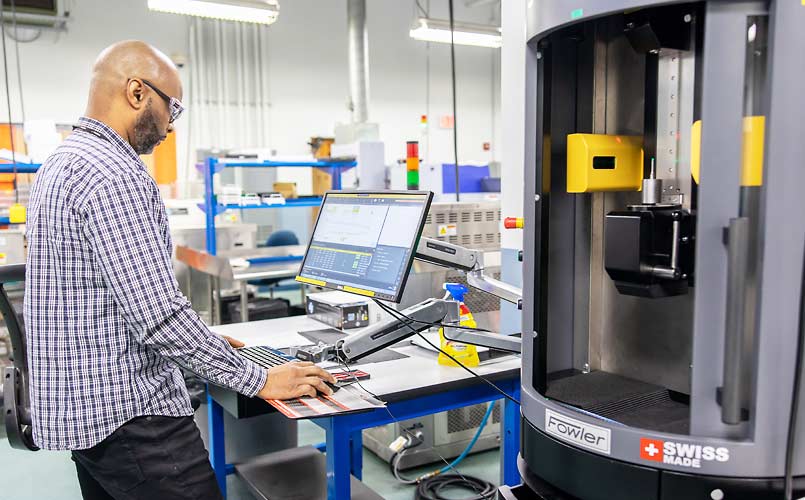
In-process laser measuring systems and CMM inspection ensure geometric tolerances down to $\pm 0.0025$ mm prior to chemical passivation treatment.
Precision Flute & Thread Grinding
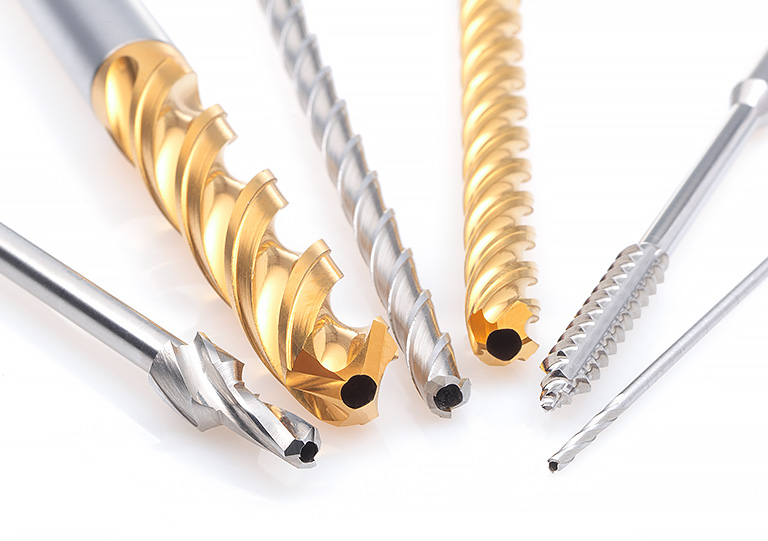
Dedicated high-precision grinding cells producing surgical reamers, burs, taps, and drill points in medical stainless steels with burr-free edges.
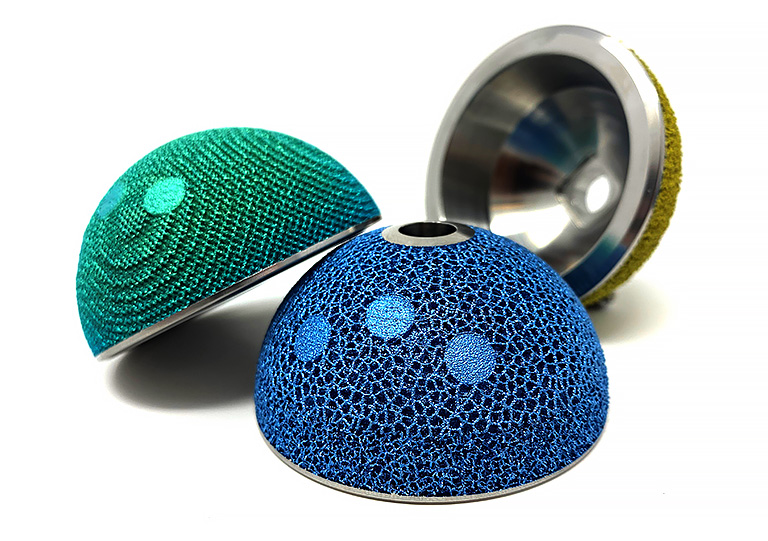
3D Metal Additive Manufacturing
Direct Metal Laser Sintering (DMLS) powder-bed fusion for porous trabecular bone structures, followed by specialized chemical surface depowdering and passivation.
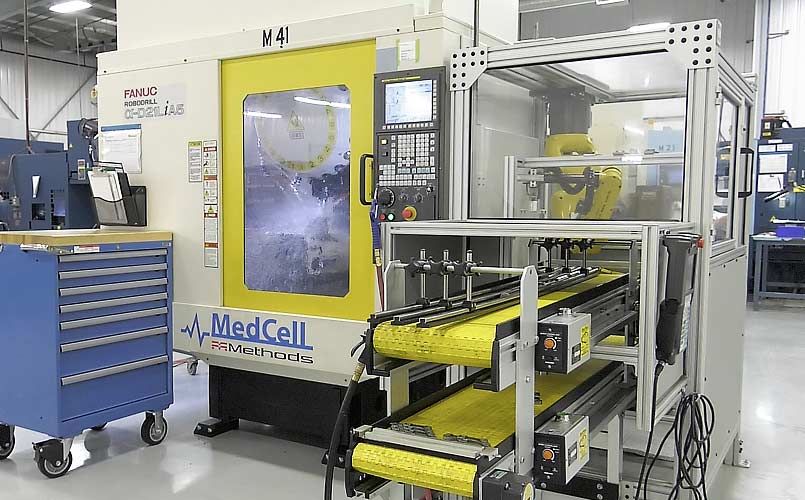
Robotic Automation Cells
Multi-axis robotic machining cells ensuring consistent lot-to-lot repeatability, high throughput, and reduced lead times for scalable OEM contract orders.
Navigating Jakarta’s Medical Device Regulatory & Supply Chain Shift
Indonesia's medical market is undergoing unprecedented transformation. Government policies such as the mandatory registration of medical devices through Regalkes (Kemenkes RI) and increased scrutiny on device sterility demand that medical device factories in Jakarta operate with full technical transparency.
1. Mitigating Tropical Corrosion Challenges: The equatorial climate of Greater Jakarta presents high relative humidity (>80%) and saline air from coastlines near North Jakarta. Unpassivated surgical stainless steel components deteriorate rapidly in transit or storage. Certified ASTM A967 passivation acts as a vital protective insurance policy against ambient transit oxidation.
2. Transition from Nitric to Advanced Citric Chemistry: Leading global OEMs are requesting a complete transition toward Citric Acid passivation. Citric acid organically binds iron ions without releasing hazardous nitrous oxide fumes or heavy metal nitrates, supporting sustainable manufacturing initiatives across Indonesian industrial parks while providing superior bio-compatibility for implantable metals.
3. Complete Lot Traceability & Documentation: Every batch shipped to Jakarta buyers by Greyack Medical includes comprehensive Certificate of Conformance (CoC), raw material certs, bath chemistry logging, and post-passivation inspection reports to effortlessly support medical device registration dossiers (DHF / DMR).
Frequently Asked Questions by Jakarta Medical Buyers
Why is passivation mandatory for medical devices supplied to the Jakarta market?
Passivation chemically removes exogenous free iron and surface debris left behind during CNC machining, grinding, or polishing. Without passivation, stainless steel and titanium medical components develop surface rust, pitting, and potential cytotoxic leaching when exposed to body fluids or hospital sterilization cycles. It guarantees compliance with international ISO 10993 biocompatibility and Indonesian Kemenkes RI regulatory safety standards.
What is the difference between ASTM A967 Citric and Nitric passivation?
ASTM A967 defines both citric acid and nitric acid methods. Citric acid passivation selectively chelates free iron without attacking other alloy elements or damaging sensitive laser etchings, making it environmentally friendly and ideal for implantable devices. Nitric acid is a traditional aggressive oxidizer often specified for complex martensitic stainless steels (e.g., 400 series surgical cutting tools) requiring sodium dichromate inhibitors to prevent flash attack.
How does Greyack Medical test the effectiveness of passivated medical components?
We execute standardized validation testing according to ASTM A967 practices. This includes High-Humidity Testing (24-48 hour exposure at 100% RH), Water Immersion Testing, Copper Sulfate Testing (to detect unpassivated free iron on carbon/martensitic steels), and XPS (X-ray Photoelectron Spectroscopy) surface analysis to confirm the oxide depth and Cr/Fe concentration ratio.
Can Greyack Medical handle both low-volume prototyping and high-volume OEM manufacturing?
Yes. Our multi-axis CNC Swiss machining, grinding, 3D additive printing, and automated passivation lines are designed for flexible scale. We support medical device OEMs from initial engineering design-for-manufacturability (DFM) and rapid prototyping through full-scale production runs with fast turnaround times for international shipment.
What documentation is provided to support Indonesian Kemenkes registration?
Every shipment includes a full Quality Documentation Package: Material Test Reports (MTRs) with melt source traceability, First Article Inspection (FAI) reports, Process Validation Certificates, Passivation Test Verification Logs, and ISO 13485 CoC records required for inclusion in your Device Master Record (DMR).
How do medical device manufacturers in Jakarta initiate a contract project?
Simply click the "Send an Inquiry" button to connect directly with our engineering sales team. You can submit 2D technical drawings, 3D CAD models (STEP/IGES), material specifications, and annual volume estimates. Our technical team will conduct a thorough DFM review and provide a comprehensive proposal.
Partner with an ISO 13485 Certified Medical Passivation Leader
Connect with our technical engineering team to discuss your medical device specifications for Jakarta.