Precision Medical Implants & Surgical Instruments
High-precision components processed with advanced surface passivation, ensuring maximum corrosion resistance and patient biocompatibility for Kazakhstan medical institutions.
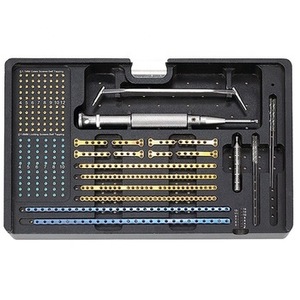
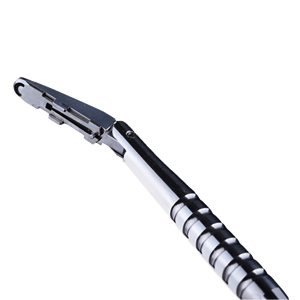
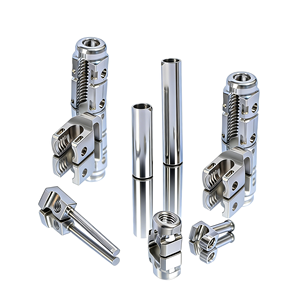
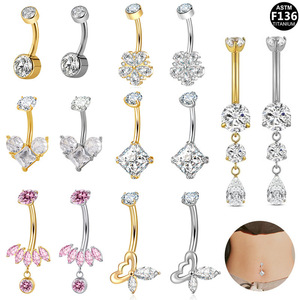
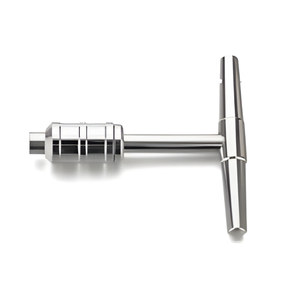
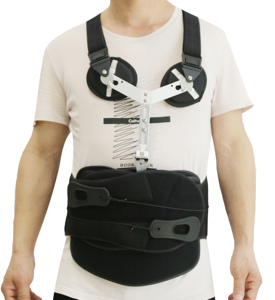
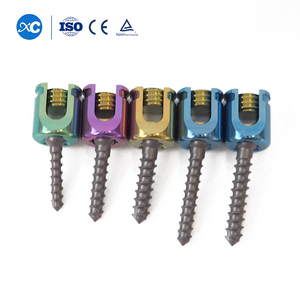
Comprehensive Medical Device Passivation Services Serving Kazakhstan’s Healthcare & OEM Sectors
In modern surgical intervention, orthopedics, spinal fixation, and dental reconstruction, the surface integrity of metallic medical components directly impacts clinical outcomes, bio-compatibility, and fatigue strength. As Kazakhstan advances its national healthcare infrastructure under the Healthcare System Development Vision 2026/2030—expanding regional surgical hubs across Almaty, Astana, Shymkent, and Karaganda—the demand for compliant, high-precision medical contract manufacturing and specialized surface treatment services has reached an unprecedented scale.
Passivation is not merely a chemical dip or cleaning process; it is a critical metallurgical purification procedure designed to remove exogenous free iron, microscopic machining debris, cutting fluids, and surface contaminants acquired during CNC Swiss machining, flute grinding, wire EDM, or 3D powder-bed fusion additive manufacturing. By selectively dissolving iron atoms from the surface of stainless steels (such as 316LVM, 17-4PH, 420, and 440C) and titanium alloys (Ti-6Al-4V ELI, Grade 1 to Grade 4), our controlled citric acid and nitric acid chemical passivation systems facilitate the instantaneous formation of a dense, continuous, and non-porous chromium oxide ($Cr_2O_3$) or titanium dioxide ($TiO_2$) passive layer.
"Passivation serves as the primary barrier preventing in-vivo galvanic corrosion, pit formation, and metallic ion leaching (such as Nickel or Iron release) inside human physiological environments, ensuring full compliance with Eurasian Economic Union (EAEU) medical safety standards."
The Chemistry and Metallurgy of Medical-Grade Chemical Passivation
When raw stainless steel components like spinal pedicle screws, bone plates, or dental curettes are machined, microscopic quantities of iron from high-speed cutting tools transfer onto the component surface. If untreated, these free iron particles oxidize rapidly when exposed to humidity, saline solutions, or autoclave steam sterilization, causing cosmetic staining, pitting corrosion, and localized structural embrittlement. Through our validated chemical passivation processes—tailored explicitly to ASTM A967, ASTM F86, and AMS 2700 standards—the surface chemical composition is fundamental altered to optimize the Chromium-to-Iron ($Cr/Fe$) ratio.
| Specification Standard | Method Chemistry | Primary Material Suitability | Key Passivation Features & Clinical Benefits |
|---|---|---|---|
| ASTM A967 Citric 1-5 | Organic Citric Acid formulation | 300/400 series stainless, 17-4PH, Custom 455 | Environmentally safe, selectively chelates free iron without attacking underlying nickel/chromium matrix; zero toxic effluent risk. |
| ASTM A967 Nitric 1-5 | Nitric Acid with Sodium Dichromate | Martensitic & High-Carbon Stainless (420, 440C, 455) | Aggressive oxidation bath designed for difficult martensitic surgical steels; eliminates residual tool steel smear. |
| ASTM F86 / ISO 20160 | Multi-stage Passivation & Cleaning | Ti-6Al-4V ELI, Pure Titanium (Gr1-Gr4), CoCrMo | Standard practice for surface preparation and passive film formation on long-term surgical implants. |
| AMS 2700 Method 1 & 2 | Nitric or Citric Chemical Treatment | Precision Aerospace & Surgical Robotics Components | Aerospace-grade validation standard ensuring robust micro-pitting resistance under high cyclic stress environments. |
Advanced Passivation & Surface Treatment Capabilities for Kazakhstan OEMs
Our integrated manufacturing facilities combine high-speed 5-axis CNC machining, micro-grinding, and Swiss screw manufacturing with automated, validated chemical surface processing lines. We provide Kazakhstan medical device distributors, hospitals, and local assembly plants with end-to-end quality assurance backed by complete material and lot traceability.
Citric Acid Passivation (ASTM A967)
Eco-friendly, precise iron chelation that leaves critical surgical tool dimensions unaltered while achieving elevated $Cr/Fe$ oxide surface ratios.
Nitric Acid & Dichromate Baths
Formulated specifically for martensitic surgical steels, dental bone burs, reamers, and bone drills, preventing post-cleaning flash rusting.
Titanium Anodizing & Passivation
Type II (wear resistance/fatigue strength) and Type III (color coding) titanium passivation compliant with ISO 20160 and ASTM F86 for trauma implants.
ISO Class 7 Cleanroom Handling
Ultrapure DI water rinsing (>17.5 MΩ·cm conductivity) and micro-particle free packaging designed for direct sterile barrier loading.
Rigorous Surface Validation
High-humidity testing (ASTM A380), Copper Sulfate testing (ASTM A967), Salt Spray (ASTM B117), and XPS Depth Profiling validation.
Complete DHF & Regulatory Files
Full device history file documentation, Certificate of Analysis (CoA), and material lot traceability for EAEU medical registration.
Localized Medical Application Scenarios Serving Kazakhstan’s Healthcare Infrastructure
Kazakhstan's medical device ecosystem is experiencing rapid growth, driven by state-backed health modernizations, private clinical expansions, and cross-border partnerships within Central Asia and the Eurasian Economic Union (EAEU). Our passivation and contract manufacturing services directly address the operational and regulatory requirements of medical sectors operating in key regions such as Almaty, Astana, Shymkent, Karaganda, and Atyrau.
1. Orthopedic Trauma & Spinal Implant Assemblies in Astana & Almaty
Major national healthcare hubs—such as the National Scientific Center of Traumatology and Orthopedics named after Academician Batpenov in Astana—require titanium spinal pedicle screws, locking bone plates, and intramedullary nails capable of enduring severe biomechanical stresses. Passivation of Ti-6Al-4V ELI components per ASTM F86 removes micro-burrs and surface contaminants left by 5-axis CNC machining, ensuring optimal osseointegration, reduced tissue inflammation, and absolute structural resistance to body fluid corrosion.
2. Dental Implant Systems & Precision Surgical Tools
With dental clinics and localized oral surgery kit assemblers expanding rapidly across Almaty and Karaganda, the demand for passivated surgical burs, dental curettes, ratchet adapters, and implant abutments has escalated. Surgical tools subjected to repeated autoclave sterilization cycles in hospital environments can suffer from corrosion and staining if free iron is present. Our citric passivation treatment forms a resilient passive oxide film that preserves tool sharpness and prevents rust formation through hundreds of sterilization cycles.
3. Specialized Surgical Robotics & External Fixation Equipment
As advanced surgical robotics and external fixation systems (such as AO quick-coupling handles and Ilizarov external fixators) are deployed in trauma reconstruction centers across Kazakhstan, component tolerances must remain ultra-tight. Chemical passivation provides corrosion protection without adding dimensional thickness (unlike plating or heavy anodizing), maintaining sub-micron tolerances on precision threads, splines, and quick-connect mechanisms.
4. Oil & Gas Adjacent Emergency Medical & Field Surgical Equipment
In regions like Atyrau and Aktau, emergency medical service providers and industrial field trauma units rely on heavy-duty surgical instruments and transport braces. These tools are frequently exposed to harsh environmental factors, including saline coastal air and extreme temperature swings. Passivated 17-4PH and 316L medical stainless steel components maintain their structural integrity and hygienic surfaces even under harsh storage and operational conditions.
Key Industry Trends Shaping Kazakhstan’s Medical Market (2025–2030)
Understanding the shifting market dynamics in Kazakhstan allows us to offer tailored supply chain solutions for OEMs, medical device importers, and localized manufacturing initiatives:
1. Integration with Eurasian Economic Union (EAEU) Technical Regulations
Kazakhstan's medical device market operates under EAEU unified registration guidelines (Decision No. 46 of the Council of the Eurasian Economic Commission). Medical components, implants, and passivated surgical instruments entering Kazakhstan must meet strict chemical safety, toxicity, and biocompatibility criteria. Our ISO 13485 quality system provides foreign and local OEMs with complete testing documentation—including passivation inspection reports and chemical safety data—to streamline regulatory submission and customs clearance.
2. Local Manufacturing & Assembly Localization Initiatives
The Kazakh government is actively encouraging the local assembly and manufacturing of medical consumables, orthopedic implants, and hospital equipment to reduce reliance on finished imports. As Kazakh companies establish localized CNC machining and assembly operations, partnering with a specialized contract manufacturer capable of delivering pre-passivated, high-precision sub-components or providing turnkey contract passivation services is critical for rapid market entry.
3. Transition Toward Citric Acid Passivation (ASTM A967)
Global medical OEMs and Kazakh health ministries are prioritizing sustainable, eco-friendly manufacturing workflows. Traditional nitric acid passivation produces toxic nitric oxide fumes and hazardous waste. In response, our facility utilizes advanced citric acid passivation systems, which selectively remove iron without organic hazard, meeting international environmental standards while maintaining superior passive film stability on critical medical devices.
4. Demand for Multi-Stage Validation & Traceability
Procurement departments at major Kazakh hospital networks and private healthcare organizations are implementing stringent quality audits for vendor qualification. Components subjected to validated chemical passivation processes—backed by XPS surface composition analysis showing a $Cr/Fe$ ratio exceeding 2.0—gain a distinct competitive advantage during public tender evaluations (such as SK-Pharmacy procurement rounds).
Why Partner With Greyack Medical for Kazakhstan OEM Supply Chains
As an FDA-registered and ISO 13485 certified medical contract manufacturer, Greyack Medical bridges the gap between precision engineering and uncompromising quality compliance. We offer Kazakh medical device companies and global OEMs a single-source manufacturing partnership designed to minimize supply chain risk and turn-around times.
Single-Source OEM Manufacturing
From 5-axis Swiss CNC machining and flute grinding to additive powder-bed fusion, ultrasonic cleaning, chemical passivation, and laser marking—all operations are executed under one unified quality management system.
Strict Quality Control & Validation
Every passivated production lot includes a Certificate of Conformance (CoC), material test reports, and non-destructive surface validation testing (Copper Sulfate, High Humidity, Water Immersion per ASTM A967).
Optimized Central Asia Logistics
We provide tailored export documentation, dual-language compliance labeling, and secure protective packaging engineered for smooth transit across Middle Corridor trade routes into Almaty and Astana hubs.
Frequently Asked Questions (FAQ) for Kazakh Medical Procurement Teams
What is the difference between Citric Acid and Nitric Acid passivation for medical devices?
Both methods satisfy ASTM A967 standards, but they differ chemically. Citric Acid passivation selectively chelates free iron atoms from the metal surface without dissolving beneficial alloying elements like nickel or chromium. It is environmentally non-toxic, safe for delicate geometries, and ideal for 300-series stainless steel and titanium. Nitric Acid passivation is a stronger oxidizing bath designed for high-carbon martensitic stainless steels (like 420 and 440C surgical cutting tools) to aggressively clear heavy tool steel transfer, though it requires strict chemical bath management to avoid etching.
How does chemical passivation support medical device registration in Kazakhstan and the EAEU?
Under Eurasian Economic Union (EAEU) medical regulations, devices must demonstrate full biocompatibility (ISO 10993 compliance) and corrosion resistance. Chemical passivation removes cytotoxic machining oils and free iron, preventing heavy metal ion release when implants or tools contact human tissue or saline solutions. Our comprehensive documentation packages—including passivation validation reports, cleanroom bio-burden data, and lot traceability—provide the essential technical evidence required for Kazakh registration dossiers.
Does chemical passivation alter tight dimensional tolerances on micro-machined parts?
No. Standard chemical passivation per ASTM A967 or ASTM F86 is a non-dimensional surface treatment. Unlike electropolishing or heavy acid etching, properly executed citric or nitric passivation removes only atomic-level surface iron contaminants (typically less than a few angstroms in depth), leaving micron-level dimensions on Swiss CNC turned threads, drill points, and internal splines completely unchanged.
What surface validation tests are performed to verify passivation quality?
We perform multiple non-destructive and laboratory verification tests based on customer requirements and ASTM A967 specs. Common lot acceptance testing includes the Water Immersion Test (24-hour humidity/water bath to check for rust spots), the Copper Sulfate Test (detecting presence of unpassivated free iron), High-Humidity Cabinet exposure (ASTM A380), and advanced Surface XPS (X-ray Photoelectron Spectroscopy) depth profiling to measure the exact Chromium-to-Iron oxide ratio.
Can you handle small-batch prototyping as well as high-volume production for Kazakh medical OEMs?
Yes. We support medical device OEMs throughout the entire product lifecycle—from initial Design for Manufacturability (DFM) drawing review and rapid prototyping to fully validated mass production. Our automated passivation lines are configured for rapid changeovers, accommodating specialized custom surgical kits as easily as high-volume production runs of spinal screws or dental components.
Accelerate Your Medical Device Manufacturing Program
Connect with our senior engineering team to discuss material selection, DFM optimizations, ASTM F86/A967 passivation protocols, and direct supply options for Kazakhstan and the Central Asian region.