Precision Engineering Showcase
High-Precision Medical Components & Machinery
Manufactured to rigorous international quality standards (ISO 13485 / FDA), serving hospitals, device OEMs, and surgical distributors across Uzbekistan.
Strategic Market Insights • Central Asia
Uzbekistan Medical Device Manufacturing & Procurement Ecosystem
Analyzing the Healthcare 2030 National Transformation, Import Substitution Mandates, and the Demand for Precision-Machined OEM Components.
$1.2B+
Uzbekistan MedTech Market (2026 Target)
82%
Import Dependence on Precision Implants
±0.002 mm
Machining Tolerance Capability
ISO 13485
Certified Quality Management
The Evolving Healthcare Landscape of Uzbekistan
Uzbekistan is currently experiencing a historic structural shift across its national healthcare infrastructure. Driven by the presidential decrees under the "Development Strategy of New Uzbekistan for 2022–2026", the government has prioritized modernizing state hospitals, establishing Specialized Republican Scientific and Practical Medical Centers, and promoting Public-Private Partnerships (PPP) to expand surgical capacity. As a result, clinical demand for orthopedic trauma implants, spinal fixation hardware, surgical robotics end-effectors, and specialized instrumentation has surged exponentially.
Despite significant state investments, Central Asia's medical manufacturing ecosystem faces a critical bottleneck: the local lack of ultra-precision multi-axis CNC machining, micro-grinding, and additive manufacturing facilities capable of working with bio-compatible alloys like Grade 23 Titanium (Ti-6Al-4V ELI) and Cobalt-Chrome (CoCrMo). Local medical device brands in Tashkent, Samarkand, and the Fergana Valley are increasingly transitioning from importing fully assembled, high-markup Western finished devices to adopting SKD/CKD (Semi-Knocked Down / Completely Knocked Down) assembly model. By sourcing custom precision components directly from qualified global contract manufacturers, Uzbek healthcare distributors and assembly enterprises lower landed unit costs by up to 35% while complying with stringent registration guidelines set by the Center for Safety of Pharmaceutical Products under the Ministry of Health of Uzbekistan.
Key Strategic Trends Driving Sourcing Decisions in Tashkent & Beyond
- Regulatory Shift Toward International Standards (ISO 13485 / FDA / CE): The Uzbek Ministry of Health is harmonizing registration protocols with international standards. Importers and local assembly plants must provide complete material origin certificates (MTRs), bio-compatibility reports (ISO 10993), and full lot-traceability for every titanium screw or spinal rod.
- Growth of Free Economic Zones (FEZs): Special medical technoparks in Tashkent Region and Navoi offer tax incentives for localized medical packaging and sub-assembly. OEM buyers require factories capable of providing cleanroom-passivated, ready-to-sterilize components.
- Surge in Complex Orthopedic & Spinal Surgeries: Modern clinical centers in Uzbekistan are rapidly introducing advanced spinal deformity corrections, total hip/knee arthroplasty, and minimally invasive trauma surgery, requiring reliable supplies of Grade 5/Grade 23 titanium pedicle screws and drill bits.
Technical Mastery • Greyack Medical
End-to-End Contract Manufacturing Capabilities
Combining multi-axis CNC machining, Swiss lathe turning, medical-grade flute grinding, and powder-bed fusion additive manufacturing under one unified quality system.
5-Axis CNC & Swiss Machining
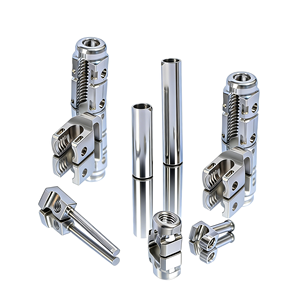
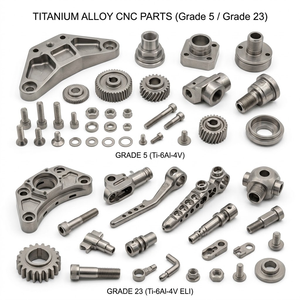
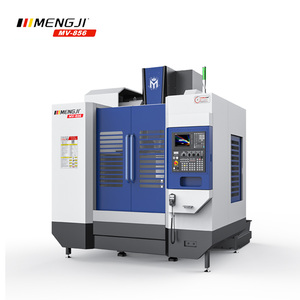
Utilizing high-speed Swiss-type CNC lathes and 5-axis DMG MORI machining centers to produce high-complexity bone plates, cannulated screws, and micro-dental abutments down to ±0.002 mm tolerances.
Additive Manufacturing (PBF)
Direct Metal Laser Sintering (DMLS) and Powder-Bed Fusion platforms for 3D-printing porous titanium implants, acetabular cups, and custom orthopedic structures that foster immediate bio-integration.
Surgical Grinding & Tooling
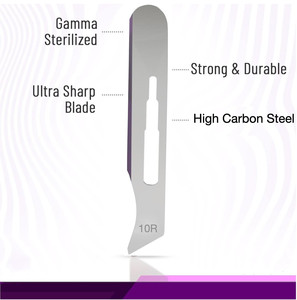
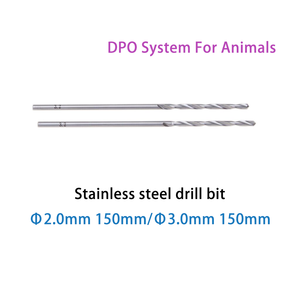
Ultra-sharp flute grinding, drill-point grinding, and thread grinding for stainless steel reamers, bone taps, and orthopedic drills designed for maximum edge retention and clean bone resection.
Cleanroom Finishing & Passivation
In-house citric/nitric acid passivation conforming to ASTM A967, laser marking, automated ultrasonic cleaning, and cleanroom packaging to prevent surface contamination.
MedTorque Ergonomic Handles
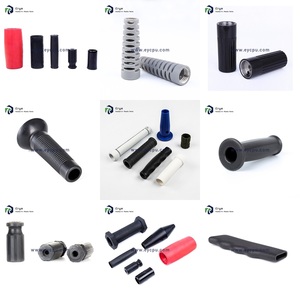
Proprietary silicone-overmolded handles, ratcheting mechanisms, and torque-limiting couplings. Engineered for optimal surgeon ergonomics, tactile feedback, and repeated autoclave cycles.
100% Quality Metrology & DFM
Every order undergoes rigorous Coordinate Measuring Machine (CMM) inspection, optical profiling, and material certification analysis to ensure 100% compliance with client DHF files.
Medical-Grade Material Specifications & Standards
We stock and machine certified raw materials strictly compliant with international bio-compatibility standards:
| Material Specification | Standard Compliance | Mechanical Properties | Primary Medical Applications |
|---|---|---|---|
| Titanium Grade 5 (Ti-6Al-4V) | ASTM F136 / ISO 5832-3 | High Strength, Light Weight, Tensile ≥ 860 MPa | Pedicle screws, spinal rods, bone plates, dental implants |
| Titanium Grade 23 (Ti-6Al-4V ELI) | ASTM F136 (Extra Low Interstitial) | Superior Fracture Toughness, Biocompatible | Critical orthopedic implants, joint replacement stems |
| Stainless Steel 316L / 440C / 17-4PH | ASTM F138 / ASTM A564 | Corrosion Resistance, High Hardness (up to 58 HRC) | Surgical scalpels, drills, taps, external fixator pins |
| Cobalt-Chrome Alloy (CoCrMo) | ASTM F75 / ISO 5832-4 | Exceptional Wear & Fatigue Resistance | Knee joint prostheses, femoral heads, dental frameworks |
| PEEK (Polyetheretherketone) | ASTM F2026 | Radiolucent, Elastic Modulus Matching Human Bone | Spinal interbody fusion cages, cranial reconstruction plates |
Local Market Integration
Localized Application Scenarios Across Uzbekistan
Custom engineering solutions tailored to regional medical clusters, specialized clinics, and local manufacturing hubs.
1. Republican Specialized Scientific Centers (Tashkent)
Providing advanced titanium spinal pedicle screw systems and 3D porous titanium acetabular cups for high-complexity spinal deformities and joint revisions performed at leading state surgical centers in Tashkent.
2. Regional Traumatology Centers (Samarkand, Namangan, Fergana)
Supplying high-volume stainless steel bone drills, reamers, and cannulated screws to regional emergency trauma units requiring durable, autoclavable tools for trauma fixation.
3. Private Dental Chains & Implant Labs
Delivering micro-machined titanium abutments, healing caps, and high-precision dental cutters with sub-micron tolerances for rapid prosthetic fabrication in clinical dental networks.
4. Domestic OEM Equipment Assembly Lines
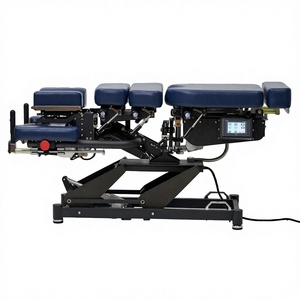
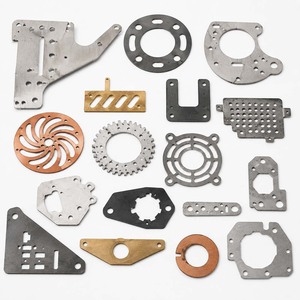
Exporting custom sheet metal enclosures, precision-milled structural frames, and ergonomic silicone rubber grips to local Uzbek manufacturers of diagnostic and physical therapy machinery.
Information Gain Framework: Why Direct Factory Sourcing Matters
Sourcing directly from Greyack Medical eliminates intermediary markups, reduces lead times for custom tooling from 16 weeks to under 4 weeks, and grants Uzbek medical distributors direct access to our engineering team for Design for Manufacturability (DFM) optimization.
Buyer Knowledge Base
Frequently Asked Questions for Uzbekistan Procurement Teams
Addressing regulatory, logistics, material, and quality queries from medical device importers and distributors in Central Asia.
Does Greyack Medical hold ISO 13485 certification and FDA registration for international export?
Yes. Our production facilities operate under an audited ISO 13485:2016 quality management system specifically designed for medical devices. Furthermore, our manufacturing plants are FDA registered. We provide complete quality management documentation, material test reports (MTR), certificate of conformity (CoC), and process validation files required for device registration with the Ministry of Health of Uzbekistan.
How do you support Uzbek distributors with device registration at the Ministry of Health?
We assist our regional partners by providing comprehensive technical dossiers, including 3D step files, detailed dimensioned engineering drawings, ISO 10993 biocompatibility data, ASTM material certifications, and sterilization validation protocols (ISO 11137 / ISO 17665). This data streamlines registration under the Center for Safety of Pharmaceutical Products in Tashkent.
What are the typical lead times and shipping routes for custom orders delivered to Tashkent?
Standard production lead time for prototype batches is 2 to 3 weeks, while full-scale OEM production runs typically ship within 4 to 6 weeks following DFM approval. For urgent medical requirements, we utilize air freight to Tashkent International Airport (TAS) with expedited customs documentation, or multimodal rail/road logistics via established Central Asian transport corridors.
Can you machine components according to proprietary OEM CAD designs or reverse engineering samples?
Absolutely. Our engineering department specializes in working with international clients. You can submit SolidWorks, STEP, IGES, or DXF files. Our staff will perform a complete Design for Manufacturability (DFM) review to optimize cycle times, select appropriate toolpaths, and recommend cost-effective alloy grades prior to production.
What minimum order quantities (MOQ) apply for custom medical device machining?
We support flexible sourcing models tailored to market entry in Uzbekistan. We accept initial low-volume pilot orders (e.g., 50–100 pieces for clinical evaluation or registration samples) before scaling up to high-volume recurring production runs exceeding tens of thousands of units per year.
What surface finishing and passivation options are available for surgical tools and implants?
We provide automated citric acid and nitric acid passivation meeting ASTM A967 and AMS 2700 standards. Additional finishing services include electro-polishing, titanium anodizing (Type II and Type III color anodizing for implant size identification), micro-bead blasting, laser marking of UDI (Unique Device Identification) codes, and cleanroom assembly.
Ready to Partner with a Certified Medical Machining Factory?
Consult with our senior biomedical engineers today to request technical quotes, review DFM feasibility, or initiate sample prototyping for your Uzbekistan project.