OEM Medical & Veterinary Surgical Blades
High-precision scalpel blades, preparation razors, microtome blades, and custom surgical handles tailored for Iraqi hospitals, tenders (Kimadia standards), and private surgical practices.
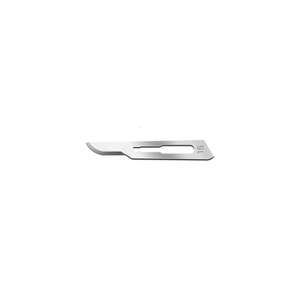
Surgical Blade #15 Sterile Veterinary Scalpels ISO Certified High-Carbon Steel
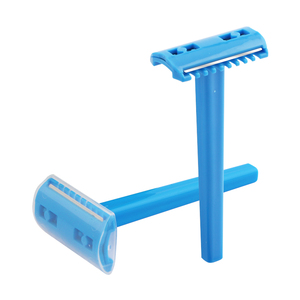
Disposable Surgical Prep Razor Double Edge Safety Razor Medical Stainless Steel
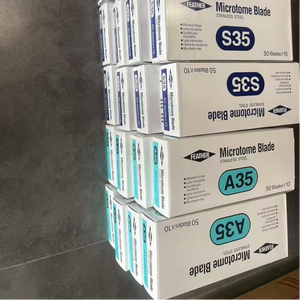
R35 Microtome Blades High Stability Surgical Blades for Lab Apparatus OEM
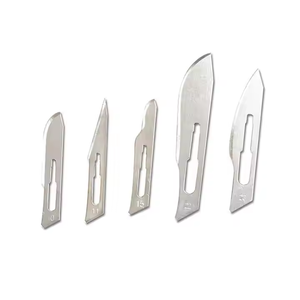
Medical Stainless Steel & Carbon Steel Surgical Scalpel Blades (Multiple Sizes)
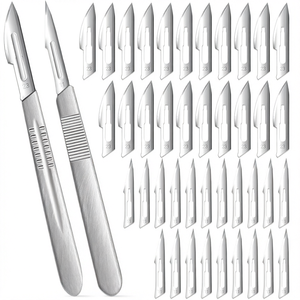
40 PCS Surgical Scalpel Blades #11 & #23 with #3 & #4 Stainless Handles
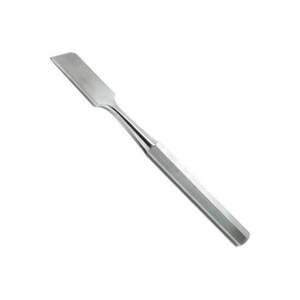
Surgical Scalpel Blade Manual CE Certified For General Surgery Class I Instrument
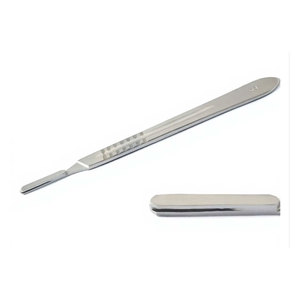
Manual Surgical Scalpel Handle Stainless Steel Medical Dental Carving Instrument
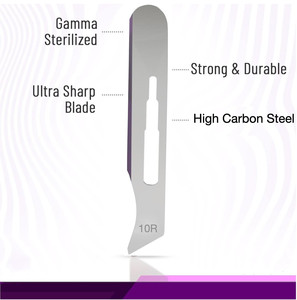
Disposable 10R Dermaplaning Blades Sterile High Carbon Steel Dermablade
Executive Industry Whitepaper: Precision Surgical Manufacturing for Iraq's Medical Sector
The healthcare landscape in Iraq—spanning key administrative and medical hubs such as Baghdad, Erbil, Basra, Najaf, and Sulaymaniyah—is undergoing a rapid infrastructure modernization program. Both public facilities overseen by the Iraqi Ministry of Health (MOH / Kimadia) and rapidly expanding private hospital networks demand non-negotiable standards for disposable surgical instrumentation.
As a leading China wholesale surgical blades manufacturer and FDA-registered/ISO 13485-certified contract manufacturing partner, our enterprise bridges advanced metallurgy, ultra-sharp edge-grinding technology, and localized supply chain integration. Surgical scalpel blades are not passive consumables; they are primary tactile extensions of a surgeon’s hand. Sharpness consistency, lateral rigidity, corrosion resistance under variable ambient humidity, and verified sterility are essential to minimizing tissue trauma and accelerating post-operative healing.
This whitepaper outlines the structural parameters, material science, localized application profiles, and export logistics required to supply high-volume, medical-grade surgical blades from China directly to Iraqi distribution networks.
Metallurgical Specifications & Edge Technology
Comparing high-carbon steel and stainless steel formulations manufactured via high-speed CNC precision grinding and automated visual inspection systems.
High-Carbon Steel (T10 / SK4)
Engineered for maximum initial keeness. Hardened to HRC 58-62 on the Rockwell scale, high-carbon steel blades feature refined carbide distribution along the cutting bevel, making them ideal for precise micro-incisions in ophthalmic, cosmetic, and plastic procedures where zero drag is paramount.
Martensitic Stainless Steel (440C / 3Cr13)
Formulated for superior oxidation resistance and mechanical toughness. Hardened to HRC 54-58, our stainless steel scalpel blades withstand high-humidity storage conditions typical of coastal shipping routes to Southern Iraq without micro-pitting or edge degradation.
Automated Micro-Grinding & Honing
Utilizing multi-axis CNC grinding systems and automated laser profilometry, every blade edge undergoes double-bevel grinding (12° to 15° entry angles). This guarantees consistent incision width, eliminating tissue feathering and reducing surgeon hand fatigue.
| Blade Parameter | High-Carbon Steel Standard | Medical Stainless Steel Standard | Clinical Performance Impact |
|---|---|---|---|
| Raw Material Grade | T10A / SK-4 High Hardness Alloy | AISI 440C / 50Cr15MoV Stainless | Determines structural strength & rust inhibition |
| Hardness Index (HRC) | 58 - 62 HRC | 54 - 58 HRC | Prevents blade tip curling during tough tissue contact |
| Bevel Angle Precision | 12° ± 0.5° Double Bevel | 14° ± 0.5° Double Bevel | Ensures smooth, low-resistance tissue penetration |
| Sterilization Protocol | Gamma Irradiation (25 kGy) | Ethylene Oxide (EO) / Gamma | 10⁻⁶ Sterility Assurance Level (SAL) guaranteed |
| Packaging Integrity | VMPET/PE Foil Peel Pouch | Aluminum Foil Medical Blister | Protects against sand, moisture, and oxidation |
| Compliance Certificates | ISO 13485, CE Class I, FDA Reg. | ISO 13485, CE Class I, FDA Reg. | Fully eligible for Iraqi MOH & Kimadia Tender entry |
Localized Clinical Application Scenarios Across Iraq
Medical supply distribution in Iraq requires a nuanced understanding of regional health sector split between public municipal hospitals, specialist military/trauma surgical units, private day-care clinics, and agricultural/veterinary zones.
1. General Surgery & Trauma (Baghdad & Basra)
Public tertiary hospitals require high-volume #10, #11, and #23 stainless steel surgical blades. Stainless steel handles intense operating room environments and long storage shelf-life in humid environments like Basra Governorate without degradation.
2. Plastic Surgery & Aesthetics (Erbil & Kurdistan Region)
The boom in private cosmetic and dermatological clinics in Erbil drives heavy demand for high-carbon #15 scalpels and specialized 10R Dermaplaning blades. Micro-honed carbon steel delivers ultra-clean epidermal incisions critical for scar reduction.
3. Veterinary & Livestock Medicine (Rural Iraq)
Iraq’s extensive livestock and agricultural sector along the Euphrates and Tigris rivers requires rugged, high-rigidity veterinary scalpels. Heavy-gauge carbon steel #15 and #23 blades provide superior resistance when incising thick hide and cartilage.
Navigating Iraq's Medical Procurement & Import Landscape
Key procurement parameters for importers, regional distributors, and medical tender agents in Iraq.
Kimadia Tenders & MOH Registration
The State Company for Marketing Drugs and Medical Appliances (Kimadia) imposes strict batch-traceability standards. Our China OEM production lines support full batch recording, raw material mill certificates, and Sterility Assurance Level (SAL) documentation required for pre-qualification in Iraqi government tenders.
Pre-Shipment Inspection (CoC / VOC)
Imports into Iraq via ports such as Umm Qasr or land borders via Jordan (Trebil) require a Certificate of Conformity (CoC) issued by authorized verification bodies (such as Bureau Veritas or SGS). Our manufacturing export office coordinates directly with inspectors to verify labeling, expiry dates, and physical integrity prior to loading.
Thermal & Dust Resilient Packaging
Summers in Central and Southern Iraq frequently exceed 50°C. Conventional paper packaging degrades quickly under extreme dry heat and dust storms. We utilize heavy-duty air-tight aluminum foil peel-packs with heat-sealed seams to guarantee foil barrier integrity and sterility maintenance over a 5-year shelf life.
Our Manufacturing Advantages & Quality System
1. FDA-Registered & ISO 13485 Certified Operations
Our manufacturing plants maintain rigorous ISO 13485 Quality Management Systems tailored specifically for medical devices. Every stage from coil slitting to automated sharpening and cleanroom packaging is audited for complete traceability.
2. High-Speed CNC Grinding & Automated Finishing
Leveraging automated Swiss-type and German CNC grinding equipment, our factory achieves blade bevel tolerances within microns. Controlled chemical passivation removes free iron from stainless steel surfaces, eliminating localized pitting rust.
3. Custom OEM Branding & Private Labeling
We provide complete OEM/ODM support for Iraqi medical brands. Services include custom outer box graphics in Arabic/English, specialized inner foil branding, custom blister pack configurations, and matching scalpel handle sets (#3, #4, #7, etc.).
Frequently Asked Questions for Iraq Procurement
Technical, regulatory, and commercial answers for Iraqi medical device importers and hospital buyers.
What is the minimum order quantity (MOQ) for wholesale delivery to Iraq?
Our standard wholesale MOQ for stock surgical blades (carbon or stainless steel) is 50,000 units (500 inner boxes of 100 pcs). For custom private-label OEM packaging printed with Arabic/English bilingual branding, the baseline MOQ is 100,000 units.
Are your surgical blades compliant with Iraqi Ministry of Health (Kimadia) standards?
Yes. Our surgical blades are manufactured strictly under ISO 13485 quality standards and carry CE Class I medical device certifications. We supply full testing documentation, material safety data sheets (MSDS), and validation records required by Kimadia and Iraqi private hospital qualification committees.
How do you ensure sterile packaging integrity in high-heat Iraqi summer climates?
We utilize medical-grade VMPET/PE composite foil packaging with heat-welded seals rather than standard single-layer paper wrapping. This creates an impermeable moisture and thermal barrier that resists foil delamination even when stored in warehouses experiencing temperatures up to 50°C - 55°C.
What shipping routes and documentation do you provide for clearance at Iraqi ports?
We ship regularly via ocean freight to Umm Qasr Port (Basra) or air freight to Baghdad International Airport (BGW) and Erbil International Airport (EBL). We supply full legal sets: Bill of Lading, Commercial Invoice stamped by the Chamber of Commerce, Packing List, Certificate of Origin, and Certificate of Conformity (CoC / VOC).
What is the difference in clinical application between Carbon Steel #11 and Stainless Steel #11 in Iraq?
Carbon Steel #11 blades offer an exceptionally fine point and acute initial sharpness, making them favored for delicate stab incisions, arteriotomies, and cosmetic clinics in Erbil. Stainless Steel #11 blades offer superior rust immunity under high ambient humidity, making them the standard choice for general emergency wards and field hospitals in Southern Iraq.
Can you supply complete scalpel kits with surgical handles included?
Yes. We manufacture precision stainless steel scalpel handles (#3, #4, #7, and specialized ergonomic handles) that complement our blade lines. We offer combined blister packaging options (e.g., 40 blades + 2 handles kit) suitable for surgical training institutions, emergency preparedness kits, and retail pharmacy distribution.
Partner with a Direct China Wholesale Surgical Blade Manufacturer
Contact our technical sales team today to request samples, factory audit reports, CE/ISO certificates, and FOB/CIF pricing for Iraqi ports.