Precision Ratcheting Couplings & Medical Assemblies
Explore our validated OEM components, custom surgical drivers, and specialized surgical gearsets manufactured to strict ISO & CE quality parameters.
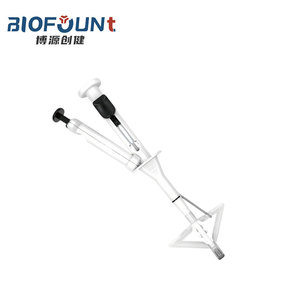
OEM ODM Precise Minimally Invasive Fascia Closure Device RYFB 50mm
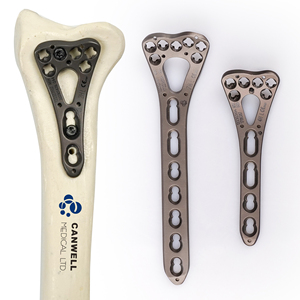
CANWELL 2.4 2.7mm VA Titanium Distal Palmar Radius Locking Plate
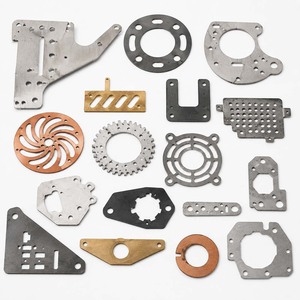
OEM Custom 304 Stainless Steel Precision Sheet Metal & Machined Housing Parts
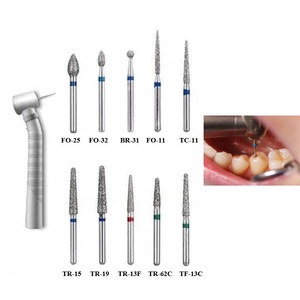
High Speed Handpiece FG Burs Premium Dental Diamond Burs for Endodontics
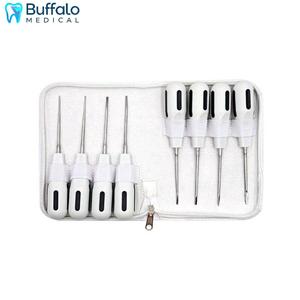
Buffalo Surgical Elevator Kit 8pcs Stainless Steel Extraction Root Elevation Tools
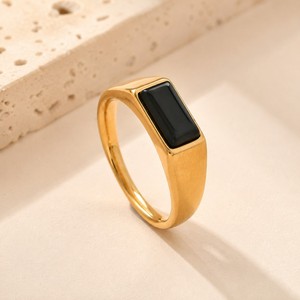
Medical-Grade Surgical Stainless Steel Precision Components & Couplings
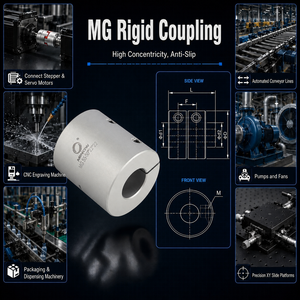
Clamping Screw Fixed Coupling Shaft Coupler for Surgical Drives & Actuators
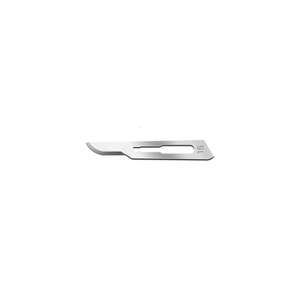
Surgical Blade #15 Sterile Scalpels ISO Certified Carbon Steel Surgical Instruments
Executive Summary & Modern Surgical Ratchet Landscape
In modern orthopedic, spinal fusion, trauma, and robotic-assisted surgical procedures, ratcheting surgical tools represent a critical interface between the surgeon's tactile control and positive mechanical fastener placement. As medical device Original Equipment Manufacturers (OEMs) transition toward increasingly intricate minimally invasive surgical (MIS) techniques, the demand for high-torque, zero-backlash, and bio-compatible ratcheting handles has reached an unprecedented peak.
A surgical ratcheting tool is not merely a manual driver; it is a calibrated mechanical system designed to withstand rigorous sterilization cycles while delivering predictable force, eliminating reverse rotation slippage, and mitigating surgeon hand fatigue. Procurement leaders and engineering teams must evaluate global suppliers not only based on component unit costs, but also on metallurgical expertise, internal pawl-and-gear mesh geometries, ISO 13485 regulatory compliance, and total Design History File (DHF) integration.
Key Procurement Metric: Mechanical Efficiency & Fatigue Life
Top-tier surgical ratchets undergo strict cyclic testing exceeding 10,000 complete torque-reversal actuations under full load (up to 12 Nm for spinal pedicle screw insertion) while maintaining a total torque calibration variance of less than ±5% across the entire operational lifespan.
Future Procurement Trends in Surgical Ratcheting Instruments
The global market for ratcheting surgical mechanisms is undergoing a structural evolution driven by four key technological trends over the next decade (2025–2035):
1. Smart & Sensorized Handles
Integration of micro-load cells and real-time Bluetooth/NFC telemetry inside silicone-molded ratcheting handles, broadcasting real-time pedicle bone density and torque thresholds to surgical robotics navigation units.
2. Additive Powder Bed Fusion
Direct Metal Laser Sintering (DMLS) titanium internal ratcheting pawls featuring internal lattice weight reduction and self-lubricating micro-textures, eliminating organic oil contamination during autoclaving.
3. Universal Modular Couplings
Standardization toward universal quick-connect couplings (AO, Hudson, Hex, and Trinkle drive tangs) featuring push-button release mechanisms that preserve sterile integrity during high-speed intraoperative instrument swapping.
Metallurgical Selection & Precision Engineering Specifications
The reliability of a surgical ratcheting tool relies fundamentally on raw material purity and heat-treatment optimization. High-stress internal pawls and drive gears suffer severe mechanical shear during torque application. OEM contract manufacturers utilize specialized surgical grade stainless steels and advanced polymers to guarantee operational safety.
| Component Unit | Preferred Material Grade | Hardness / Yield Strength | Primary Functional Benefit |
|---|---|---|---|
| Ratcheting Gear Teeth | Custom 455 / 17-4 PH Stainless Steel | HRC 48–52 / 1,100 MPa | Extreme shear resistance and prevention of tooth deformation under high peak load. |
| Drive Pawl & Springs | 316L VM / Elgiloy Alloy | High Fatigue Limit | Corrosion resistance against steam autoclave pitting and recurring cyclic spring return force. |
| Ergonomic Outer Handle | Medical Silicone / Radel® PPSU | USP Class VI Bio-compatible | Slip-resistant tactile grip, chemical resistance to enzymatic detergents, thermal endurance up to 138°C. |
| Output Shaft Couplings | 440C Martensitic Stainless | HRC 56–60 | Micron-level wear resistance during repetitive friction seating of surgical bits. |
Bi-Directional vs. Torque-Limiting Ratchet Mechanisms
Engineers classify surgical ratchets into two primary functional categories:
1. Bi-Directional Dual-Pawl Mechanisms: Designed for rapid insertion and removal of bone screws or reamers. A forward/neutral/reverse selector ring operates internal dual cams that engage fine-pitch teeth (typically 24 to 36 tooth positions per rotation, yielding a 10° to 15° engagement arc). Fine pitch minimizes movement range requirement in tight anatomical spaces.
2. Calibrated Torque-Limiting Couplings: Essential for protecting delicate cortical bone structures or spinal implants from over-tightening. Once the predetermined torque threshold (e.g., 1.5 Nm to 10.0 Nm) is achieved, internal spring-loaded detents slip gracefully, preventing additional rotational torque transmission regardless of surgeon effort.
Why Leading Global OEMs Partner with Greyack Medical
Navigating global supply chain friction requires contract manufacturing partners that operate with absolute transparency, vertical manufacturing capabilities, and uncompromised regulatory support. Greyack Medical delivers single-source contract manufacturing tailored for global medical device brands.
End-to-End Vertical Integration
From multi-axis CNC Swiss machining and 5-axis flute grinding to silicone insert molding, passivation, cleanroom assembly, and laser etching—all housed within ISO 13485 certified facilities.
Design for Manufacturability (DFM)
Our senior engineering team reviews client CAD models to optimize internal gear tooth root radii, reduce stress risers, and lower tooling cycle times before prototype cutting begins.
Complete Regulatory & DHF Support
We supply full material certifications, heat treat trace logs, bio-compatibility testing documentation, and First Article Inspection Reports (FAIR according to AS9102) for smooth FDA 510(k) submissions.
Sterilization & Autoclave Validation
All ratcheting assemblies undergo rigorous steam sterilization chamber validation testing (ISO 17664) to confirm zero fluid entrapment and complete mechanical function after repeated cycles.
Frequently Asked Procurement & Engineering Questions (FAQ)
Read through authoritative answers to common inquiries raised by medical device sourcing directors and quality control managers during supplier evaluation.
What quality certifications and regulatory registrations back your surgical tool manufacturing?
How do your ratcheting handles maintain lubrication and prevent fluid ingress during steam sterilization?
Can Greyack Medical produce custom OEM handle geometries and quick-connect couplings?
What is the standard production lead time for prototype vs. production runs of ratcheting tools?
What torque range accuracy can your torque-limiting ratchets guarantee?
Ready to Accelerate Your Surgical Tool Manufacturing Program?
Partner with an FDA-registered, ISO 13485 certified contract manufacturer. Submit your technical drawings or schedule an engineering consultation with our surgical instrumentation specialists today.
Get Catalog