Precision Orthopedic Tools & Surgical Kit Components
Explore our high-performance surgical drill bits, titanium implants, pedicle screw systems, and specialized CNC machining capabilities engineered for global medical OEMs.
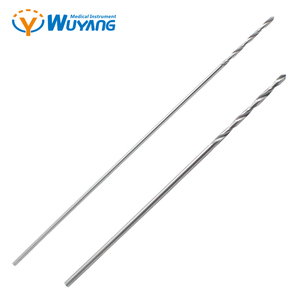
Wuyang Medical Hot Quality Stainless Steel Twist Drill Bit Orthopedics Surgical Instruments Drill Bit
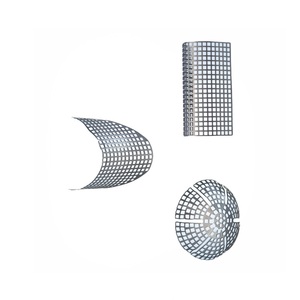
Competitive Price Titanium Alloy Material MESH Orthopedic Implants for Hospital
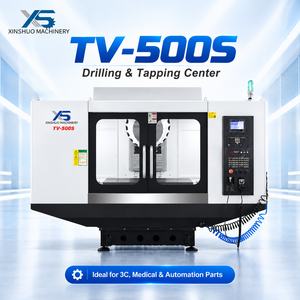
Cost Effective High Speed Tapping Center BT30 CNC Vertical Machining Center 20000rpm for Medical Automation Metal Parts
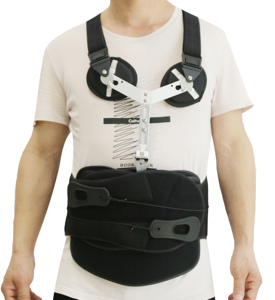
Adjustable Comfortable Speed Spinal System(Front & TLSO Panel) Back Support Belt Waist Immobilization Back Brace
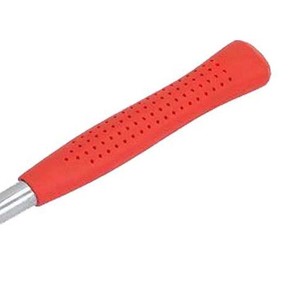
Red Silicone Handle Surgical Instrument Grip for Veterinary Use Durable Non Slip Design Custom Logo and Packing
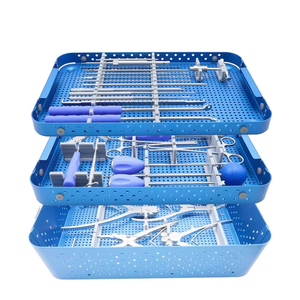
Spinal Pedicle Screw System Set Premium Stainless Steel Orthopedic Spinal Fixation Reusable Titanium Compatible Hospital Tools
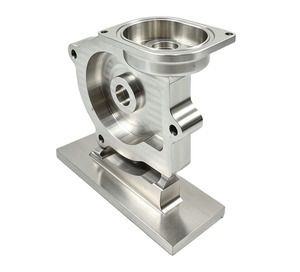
Custom ±0.01mm Precision CNC Machining Aluminum Stainless Steel Parts 5-Axis Wire EDM Fabrication for Medical Aerospace
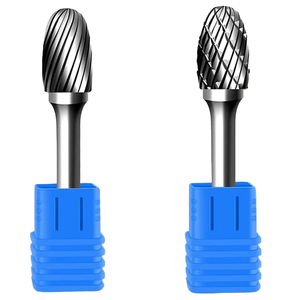
OEM Supported Single-Cut/Double-Cut Cylindrical Shank Tungsten Carbide Rotary Burrs for Grinding Deburring Cutting
Industry Whitepaper: Strategic Procurement & Manufacturing Excellence in Orthopedic Surgical Kits
The global healthcare landscape is undergoing an unprecedented shift toward minimally invasive surgery (MIS), robotic-assisted orthopedic procedures, and patient-specific implantations. At the center of this transformation lies the absolute necessity for ultra-precise, reliable, and sterile-ready orthopedic surgical kits. For original equipment manufacturers (OEMs), healthcare providers, and global procurement officers, partnering with top trusted orthopedic surgical kit manufacturers is not merely a supply chain decision—it is a critical determinant of clinical outcomes and patient safety.
1. Technical Benchmark of Orthopedic Materials & Metallurgy
Precision contract manufacturing for orthopedic instrumentation and implant kits demands deep expertise in biocompatible metallurgy and engineering polymers. Selection of raw materials directly influences tool sharpness retention, fatigue strength under cyclic loading, and chemical resistance during repeated hospital sterilization protocols (autoclaving, ETO, gamma irradiation).
| Material Classification | Common Standard Grades | Primary Surgical Kit Applications | Key Mechanical & Biological Properties |
|---|---|---|---|
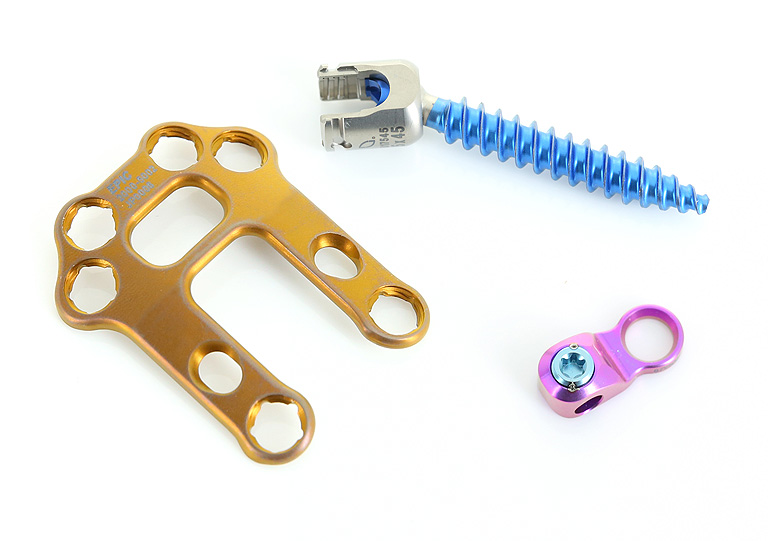
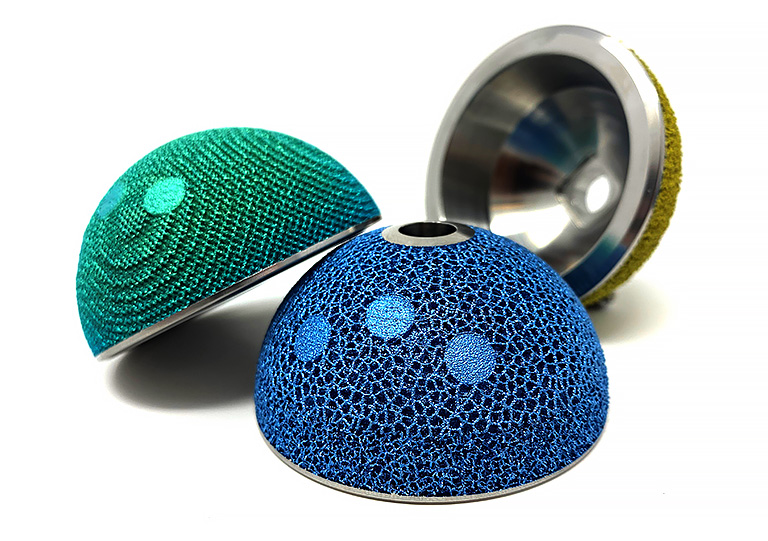
| Titanium Alloys | Ti-6Al-4V ELI (Grade 23), ASTM F136 | Spinal Pedicle Screws, Mesh Plates, Porous Acetabular Cups | Exceptional strength-to-weight ratio, low elastic modulus matching human cortical bone, superior osseointegration, high MRI compatibility. |
| Martensitic Stainless Steels | 17-4PH (ASTM F899), 420, 455 Custom | Twist Drill Bits, Taps, Reamers, Bone Cutters, Chisels | High hardness (up to 55 HRC), keen edge retention, resistance to micro-fretting, robust torsional rigidity for torque-heavy tools. |
| Austenitic Stainless Steels | 316L, 316LVM (ASTM F138) | Surgical Trays, Instrument Handles, Guide Wires, Retractors | Superior pitting corrosion resistance, excellent ductility, non-magnetic properties, seamless surface passivability. |
| Tungsten Carbide | WC-Co Micro-Grain Alloys | Rotary Burs, High-Speed Deburring Tools, Bone Cutters | Extreme hardness, minimal thermal deformation during high-speed bone cutting, prolonged wear resistance in high-RPM procedures. |
| Medical Grade Polymers | PEEK (Optima), Medical Silicone, Radel® PPSU | Silicone Handle Grips, Torque-Limiting Sleeves, Sterilization Trays | Autoclave stability exceeding 1,000 cycles, non-slip ergonomic tactile feel, biocompatible skin contact compliance (ISO 10993). |
Greyack Medical Core Manufacturing Capabilities
Greyack Medical Co., Ltd combines high-speed multi-axis CNC machining, Swiss turning, specialized medical grinding, and metal additive manufacturing under a single ISO 13485 quality framework. This consolidated capability allows global medical OEMs to shorten lead times from months to days.
5-Axis CNC & Swiss Machining
High-precision machining of intricate geometries, spinal rods, bone plates, and surgical robot end-effectors holding tight tolerances down to ±0.005mm with multi-axis live tooling.
Medical Grinding & Fluting
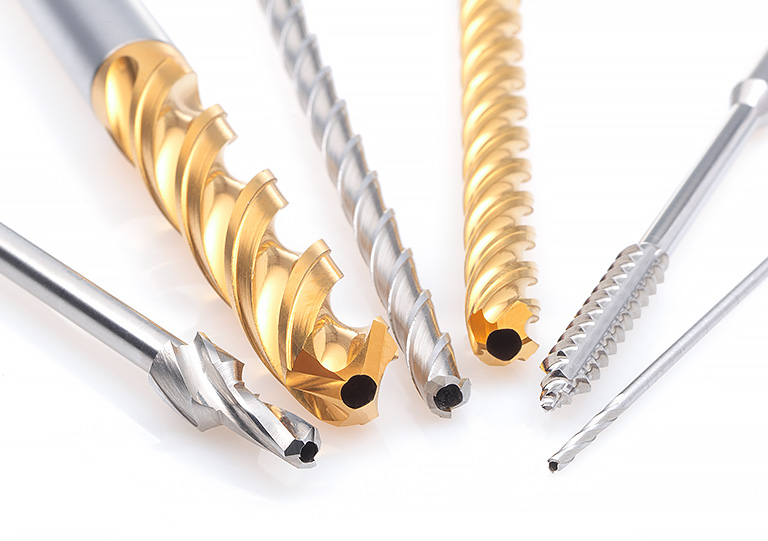
State-of-the-art point grinding, flute grinding, and thread grinding for surgical drills, taps, reamers, and burrs ensuring minimal tissue thermal necrosis during cutting.
Metal Additive Manufacturing
Direct Metal Laser Sintering (DMLS / PBF) producing complex porous bio-lattices, trabecular structures, and lightweight custom anatomical implants impossible with traditional machining.
Controlled Passivation & Finishing
Fully validated citric and nitric acid passivation systems, electropolishing, laser marking, bead blasting, and ultrasonic cleaning for corrosion-free medical device longevity.
Silicone Overmolding & Torque Handles
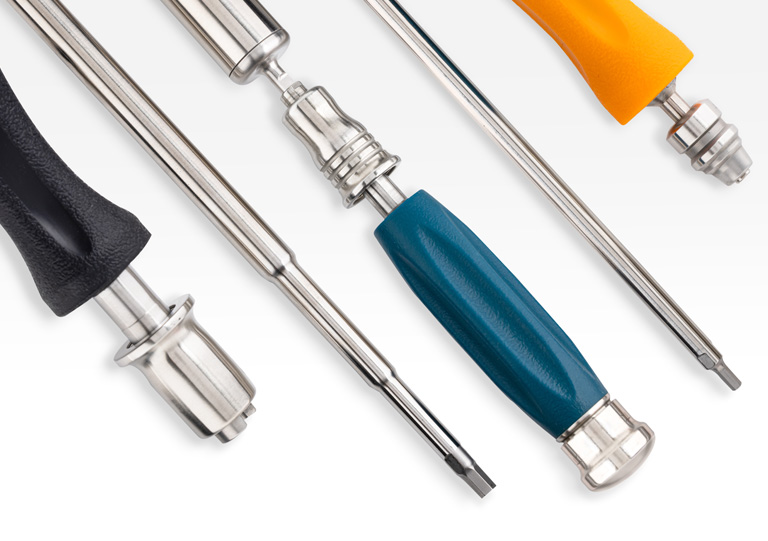
MedTorque ergonomic handles featuring fixed, ratcheting, and slip-free torque-limiting mechanisms engineered to prevent over-tightening of spinal and trauma hardware.
Validation & DHF Documentation
Turnkey supply chain package including First Article Inspection (FAI) reports, CMM laser measuring data, raw material certs, and complete DHF support for regulatory filing.
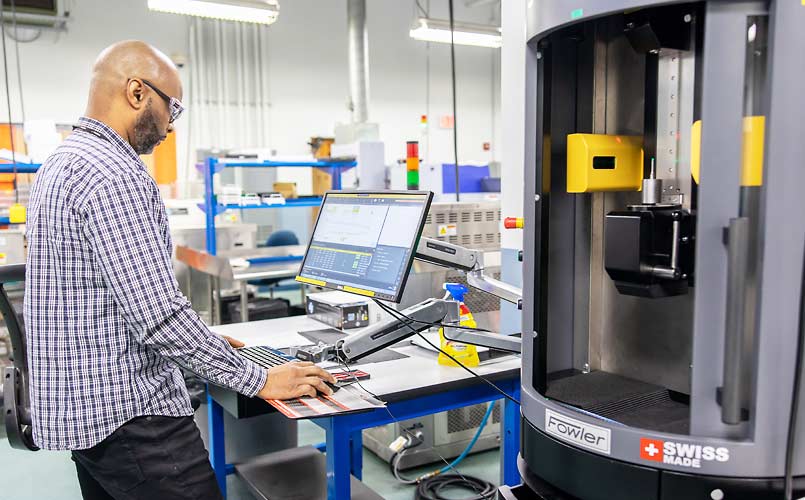
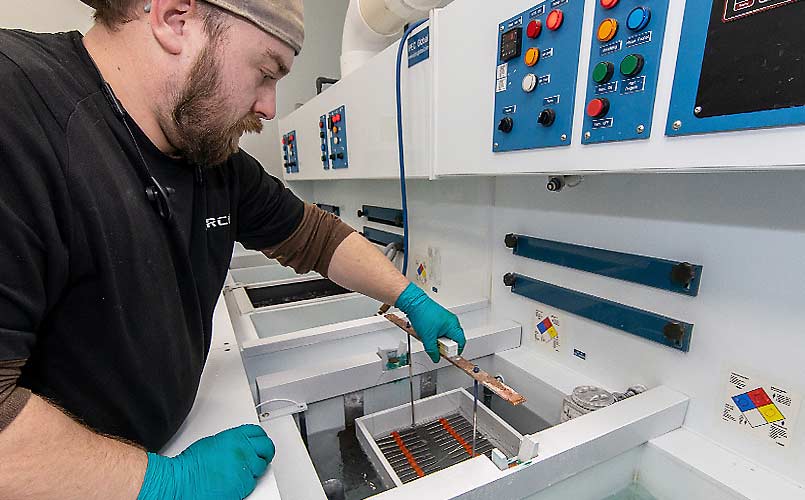
Advanced Manufacturing Infrastructure & Process Control
Take a closer look inside Greyack Medical's state-of-the-art production environments, where precision technology meets rigid medical device quality standards.
Future Procurement Trends in Orthopedic Surgical Kit Manufacturing
As global healthcare systems focus on reducing operating room times, lowering infection rates, and minimizing post-operative complications, procurement strategies for medical OEMs are shifting rapidly. Strategic buyers must align with contract manufacturers capable of anticipating technological and regulatory evolutions.
Trend 1: Smart Surgical Kits & Sensor Integration
Next-generation orthopedic surgical kits are incorporating micro-sensors and RFID chips directly into silicone handles and torque drivers. These smart instruments monitor realtime torque applied during pedicle screw fixation or bone reaming, transmitting live force metrics to surgical navigation displays. Suppliers must possess micro-machining capabilities and housing enclosure expertise to accommodate embedded electronics seamlessly without compromising sterilization barriers.
Trend 2: Single-Source Vendor Consolidation
Managing multi-tiered supply chains—where one vendor machines the metal tool, another overmolds the silicone handle, a third applies passivation, and a fourth packages the kit—introduces unacceptable lead time variability and quality friction. Leading OEMs are shifting toward single-source contract partners like Greyack Medical who manage the entire lifecycle: DFM design assistance, raw stock sourcing, 5-axis machining, medical grinding, silicone molding, laser marking, and sterile packaging.
Trend 3: Expansion of Additive Manufacturing (3D Printing) for Modular Kits
Metal 3D printing (Direct Metal Laser Sintering) is moving from specialized custom implants into standardized orthopedic surgical tool construction. Complex curved cooling channels within drill bits, lattice-structured lightweight handles, and custom ergonomic grips tailored to individual surgeon preferences are becoming standard features in premium surgical kits.
Trend 4: Stringent MDR & FDA Traceability Requirements
With the European Union Medical Device Regulation (EU MDR 2017/745) and FDA Unique Device Identification (UDI) regulations fully enforced, full component-level lot traceability is mandatory. Leading manufacturers must utilize permanent fiber laser marking to etch high-density 2D DataMatrix barcodes directly onto every drill bit, tap, screw, and handle in an orthopedic set, ensuring lifelong track-and-trace auditability.
Design for Manufacturability (DFM) & ISO 13485 Quality Control Workflow
Preventing non-conformances in orthopedic surgical tools begins long before the first metal bar stock enters a CNC machine. Greyack Medical enforces a disciplined 5-stage DFM and quality assurance protocol designed specifically for international procurement teams.
Stage 1: DFM Engineering Review
Our engineering team performs a thorough cross-examination of 3D STEP models and GD&T drawings, identifying tight tolerances that can be optimized to lower unit costs without affecting mechanical function.
Stage 2: Rapid Prototyping & Testing
Functional prototypes are produced via high-speed Swiss machining or additive powder-bed fusion within days, enabling surgeons to evaluate tactile ergonomics, balance, and mechanical fit prior to tooling lock.
Stage 3: IQ / OQ / PQ Process Validation
Installation Qualification, Operational Qualification, and Performance Qualification protocols are executed for all automated machining, grinding, passivation, and cleanroom packaging cells.
Stage 4: In-Process Laser Metrology
Utilizing high-precision optical laser measuring sensors and 3D CMM equipment, key dimensional characteristics (thread pitch, flute angle, concentricity) are monitored in real time during production runs.
Stage 5: Surface Passivation & Cleanliness
Parts undergo validated ASTM A967 citric/nitric passivation to remove free iron residues, followed by ultrasonic washing to achieve particle-free, bioburden-tested surface cleanliness.
Stage 6: Final Audit & Kitting
Full Lot Acceptance Testing (LAT), First Article Inspection (FAI) reporting according to AS9102/medical standards, laser UDI marking, and customized kitting inside sterilizable organizer trays.
Orthopedic Surgical Kits Procurement FAQ
Addressing the top technical, regulatory, and supply chain queries raised by global medical OEM sourcing managers and biomedical procurement directors.