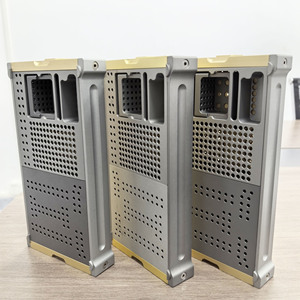
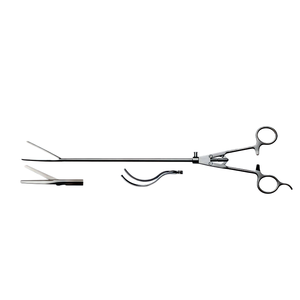
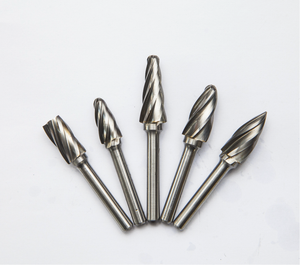
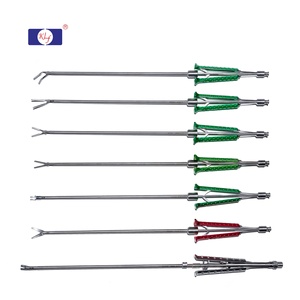
Executive Summary: The Landscape of Top China Medical Forceps Manufacturers
The global demand for high-precision surgical forceps, endoscopic graspers, bipolar coagulation forceps, and micro-thoracic clamps has undergone a profound technical evolution. As healthcare systems push toward minimally invasive surgeries (MIS) and robotic-assisted surgical platforms (RAS), medical device Original Equipment Manufacturers (OEMs) require supply chain partners capable of delivering micron-level dimensional accuracy, flawless tactile feedback, and unwavering bio-grade metallurgic integrity.
China has transformed from a conventional low-cost medical device assembly hub into an advanced ecosystem of high-precision contract manufacturers. Today's leading Chinese medical forceps manufacturers combine state-of-the-art 5-axis CNC Swiss turning, Wire Electrical Discharge Machining (EDM), cleanroom silicone overmolding, and automated passivation under certified ISO 13485:2016 quality management systems. This whitepaper provides OEM procurement executives, regulatory officers, and biomedical design engineers with a strategic roadmap for evaluating, qualifying, and partnering with top-tier surgical instrument suppliers in China.
Engineering Precision: From Micro-Tolerances to Tactile Control
Surgical forceps are not merely clamping devices; they are extended tactile organs for surgeons operating in delicate neurological, cardiac, and thoracic fields. A deviation of just 5 microns in jaw alignment can lead to tissue slippage, compromised coagulation, or micro-vessel trauma. Qualified China manufacturers utilize multi-axis CNC micro-machining centers alongside laser interferometry inspection to ensure every box-joint, ratchet coupling, and serrated tooth meets exact DFM (Design for Manufacturability) guidelines.
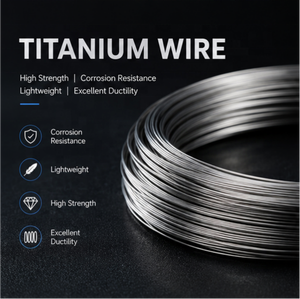
By leveraging advanced material grades such as ASTM F899 surgical stainless steel, Titanium Grade 5 ELI (ASTM F136), and implant-grade PEEK, manufacturers ensure high tensile strength, exceptional fatigue resistance, and total resistance to repeated autoclave sterilization cycles.
Key Takeaway for OEM Procurement Leaders
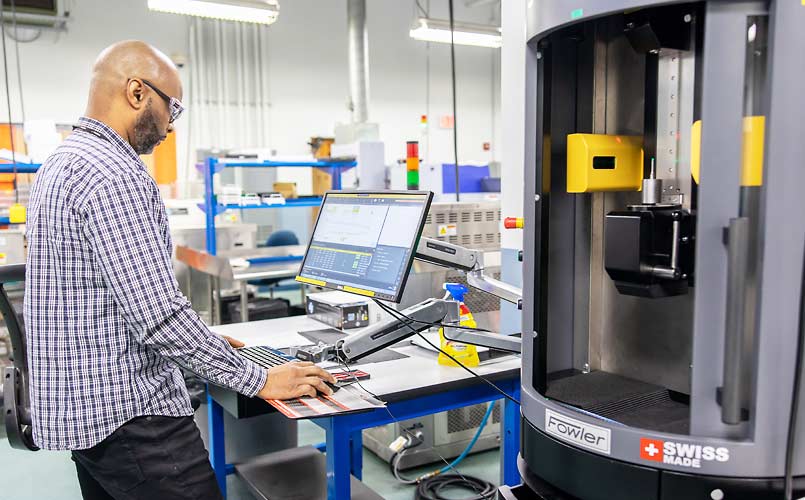
Evaluating a supplier for surgical forceps extends far beyond raw unit cost. Top-tier Chinese contract manufacturers deliver full Design History File (DHF) support, 100% material lot traceability, First Article Inspection (FAI) under AS9102 protocols, and documented compliance with FDA 21 CFR Part 820 regulations.
Material Engineering & Metallurgy in Surgical Forceps Production
The longevity, tissue interaction, and corrosion resistance of surgical forceps depend directly on raw material selection and metallurgical heat treatment. Top China medical forceps manufacturers utilize standardized, globally certified biocompatible alloys:
| Material Specification | Standard Certification | Mechanical & Biocompatible Properties | Primary Medical Instrument Applications |
|---|---|---|---|
| Titanium Grade 5 ELI (Ti-6Al-4V) | ASTM F136 / ISO 5832-3 | Ultra-lightweight, non-magnetic, high strength-to-weight ratio, zero MRI interference. | Ophthalmic micro-forceps, neurosurgical instruments, spinal fixation accessories. |
| Martensitic Stainless Steel (420/440C) | ASTM F899 | High hardness post-heat treatment (50-55 HRC), exceptional cutting edge retention. | Surgical forceps jaws, dissecting scissors, bone cutting forceps, ratcheted clamps. |
| Austenitic Stainless Steel (316LVM) | ASTM F138 / ISO 5832-1 | Vacuum arc remelted for ultra-clean purity, maximum pitting corrosion resistance. | Endoscopic surgical shafts, implantable components, long-term contact forceps. |
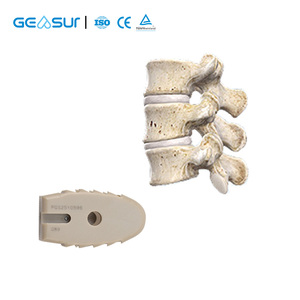
| PEEK (Polyetheretherketone) | ASTM F2026 | Radiolucent, elastic modulus matching cortical bone, chemical resistance. | Orthopedic trial cages, minimally invasive forceps tips, electrical insulator sleeves. |
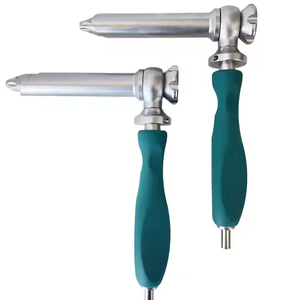
| Medical Grade Liquid Silicone (LSR) | ISO 10993 Certified | Non-slip texture, ergonomic fatigue reduction, withstands 1,000+ steam autoclave cycles. | Silicone overmolded handles for ratcheting surgical drivers and manual forceps shafts. |
Top Future Sourcing & Manufacturing Trends in Surgical Instrumentation
As surgical methodologies evolve toward outpatient procedures and robotic assistance, the procurement strategy for surgical forceps and manual clamps must adapt. Below are four key technical trends defining the industry through 2030:
1. Surgical Robotics & Articulating End-Effectors
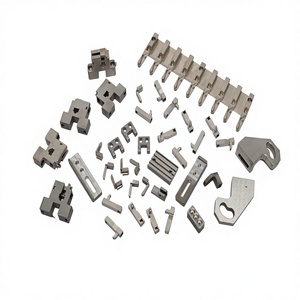
Traditional rigid forceps are increasingly supplemented by flexible, multi-jointed wrist mechanisms for laparoscopic robotic arms. Chinese contract manufacturers are investing heavily in 5-axis Swiss micro-machining to produce miniaturized pulley components, wire-actuated jaws, and micro-gears with pitch diameters below 2mm.
2. Silicone Overmolding & Ergonomic Innovation
Surgeon fatigue directly affects surgical outcomes. Modern medical forceps are incorporating dual-shot liquid silicone rubber (LSR) overmolding directly onto stainless steel handles. This provides a soft tactile grip, eliminates fluid ingress pathways, and allows color-coding for rapid surgical tray identification.
3. Additive Manufacturing of Porous & Custom Forceps
Direct Metal Laser Sintering (DMLS) and Electron Beam Melting (EBM) enable the creation of complex, light-weighted forceps geometries that cannot be produced via traditional subtractive milling. Additive manufacturing also allows rapid prototyping of custom patient-matched anatomical clamps within days.
4. Automated Passivation & Cleanroom Assembly
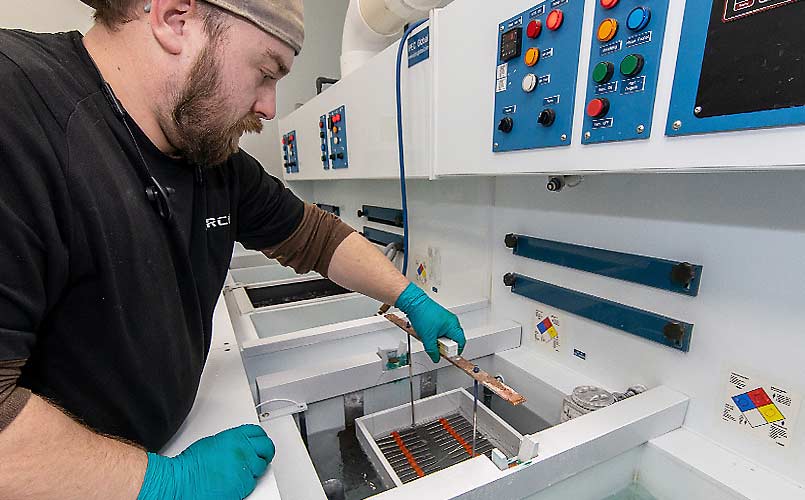
Regulatory authorities (FDA, EMA) demand absolute biological safety. Leading Chinese manufacturers feature ISO Class 7 cleanrooms equipped with citric/nitric acid passivation lines compliant with ASTM A967, ensuring zero surface iron contamination and superior passivation layer depth.
Enterprise Core Advantages: Why Partner with Greyack Medical
Greyack Medical Co., Ltd. stands at the forefront of precision contract manufacturing for international medical OEMs. By integrating high-speed 5-axis CNC machining, deep hole drilling, micro-grinding, and silicone handles under one unified ISO 13485 quality system, we solve the supply chain fragmentation that often plagues surgical instrument procurement.
- FDA-Registered Facilities: Audit-ready manufacturing plants complying with 21 CFR Part 820 Quality System Regulations.
- Micron-Level Accuracy: In-process optical gauging and coordinate measuring machines (CMM) maintaining tolerances down to ±0.002 mm.
- Design-for-Manufacturability (DFM) Support: Senior engineers collaborating at early drawing stages to lower production costs without compromising surgical function.
- Full Supply Chain Integration: From raw material vacuum melt certificates to final laser etching, ultrasonic cleaning, and sterile barrier packaging.
Comprehensive Sourcing & Regulatory FAQ for Medical Buyers
Below are critical technical and regulatory answers curated for medical device sourcing managers and quality engineers evaluating Chinese surgical instrument suppliers.