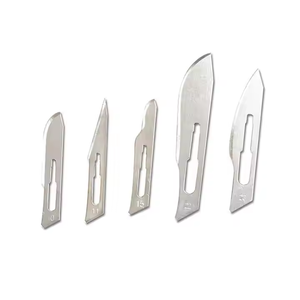
Catalog Excellence
Precision-Engineered Medical Components & Assemblies
Explore our core OEM contract manufacturing capabilities spanning surgical cutlery, sub-micron micro machining, orthopedic fixations, and minimally invasive device assemblies.
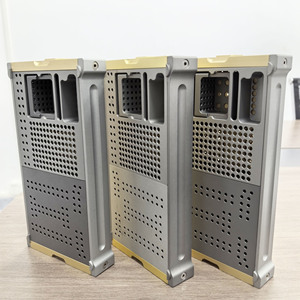
Custom High Precision CNC Machining & Wire EDM Services for Medical Device Components-5-Axis ISO Certified
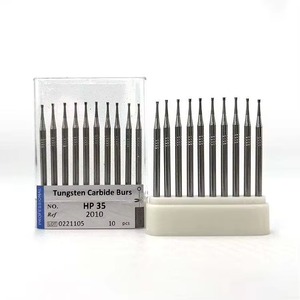
Bestselling Dental Laboratory Equipment Tools Tungsten Carbide Drill Bits Dental Drill Bits
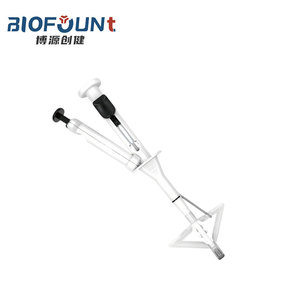
OEM ODM Precise Surgical Equipment Minimally Invasive Fascia Closure Device RYFB 50mm Jaw Opening for Laparoscopic Port Closure
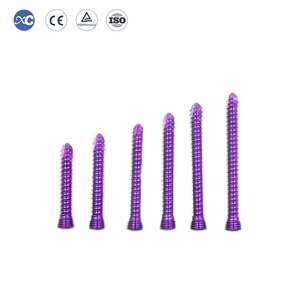
XC MEDICO Veterinary Orthopedic Implants 2.7mm AO Locking Screw Implant Class III 1 Year Warranty
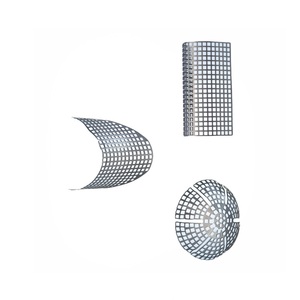
Competitive Price Titanium Alloy Material MESH Orthopedic Implants for Hospital
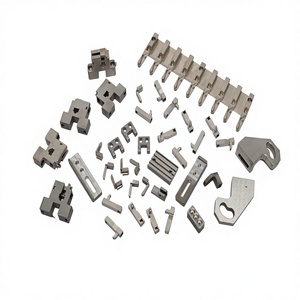
High Speed Precision Micro Machining for Electronic Medical Components Processing Services
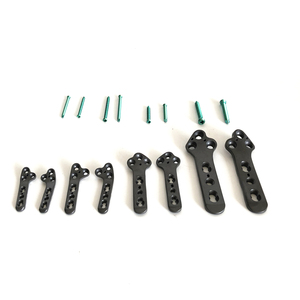
Surgical Veterinary TPLO Orthopedic Implant Titanium
ISO 13485
Certified Quality Management
±0.001 mm
Micron Precision Tolerance
FDA Reg.
Audited Manufacturing Plant
100%
Lot Traceability & DHF Support
Enterprise Value Proposition
Why Leading Global OEMs Partner with Greyack Medical
In the high-stakes domain of medical device manufacturing, compliance, material purity, and sub-micron repeatability define market success. Greyack Medical integrates design, engineering, and validated manufacturing under one roof.
5-Axis CNC & Swiss Machining
Multi-axis Swiss turning and ultra-precision 5-axis milling centers designed for complex geometric contours, thin-walled surgical handpieces, and intricate spinal rods.
Medical Grinding Excellence
Sub-micron flute grinding, drill-point shaping, and specialized thread grinding in titanium alloys and surgical stainless steels for burrs, taps, reamers, and drill bits.
Powder-Bed Fusion Additive
3D direct metal laser melting (DMLM) for trabecular porous structures, acetabular cups, and patient-specific structural bone scaffolds engineered for osseo-integration.
MedTorque Ergonomic Handles
Proprietary silicone-overmolded instrument handles offering fixed, ratcheting, and precise torque-limiting performance for orthopedic surgical kits.
Controlled Passivation & Finishing
Automated citric/nitric passivation per ASTM A967, electropolishing, laser marking, and cleanroom assembly ensuring pristine particle-free delivery.
Full Regulatory Traceability
Complete Device History Record (DHR) documentation, material test reports (MTR), CMM inspection sheets, and first article inspection (FAI) per AS9102/ISO standards.
Micron Precision
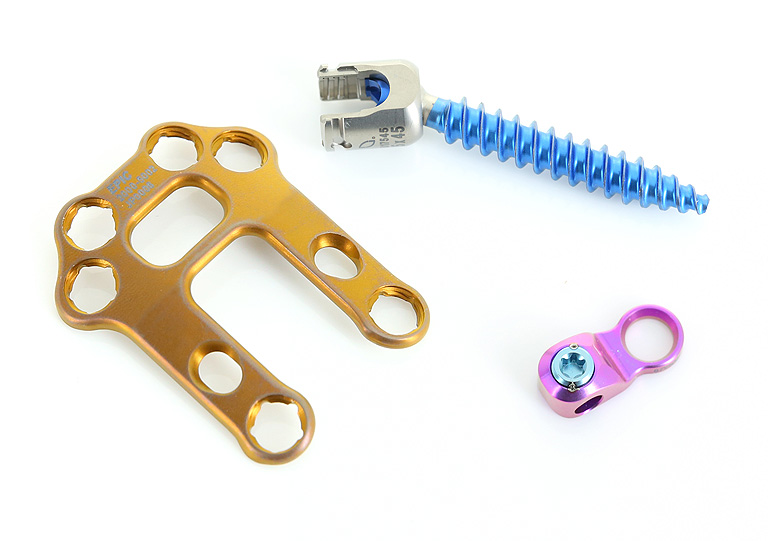
Orthopedic & Spinal Implant Contract Manufacturing
From pediatric deformity correction rods to high-load pedicle screws and AO locking plates, our manufacturing cells utilize high-speed Swiss-type CNC lathes and 5-axis milling machines. We process biocompatible Titanium Ti-6Al-4V ELI (ASTM F136), Cobalt-Chrome (CoCrMo), and implant-grade PEEK with absolute lot-to-lot consistency.
Consult an Implant Engineer
Next-Gen Robotics
Surgical Robotics & End Effector Micro-Assemblies
As robotic-assisted surgery transforms operating rooms, Greyack Medical leads the contract manufacturing sector in producing micro-scale end effectors, high-precision instrument wrist joints, cable pulleys, and tactile force-feedback housing components with zero backlash tolerances.
Request Robotics OEM Guide
Industry Insights & Market Intelligence
Strategic Procurement & Technological Outlook for Medical OEM Suppliers
An authoritative analysis for OEM Vice Presidents of Sourcing, Engineering Directors, and Regulatory Affairs Executives evaluating qualified contract manufacturers.
1. Global Medical Device OEM Procurement Landscape: Future Trends
The global medical device contract manufacturing market is undergoing a seismic structural shift. Tier-1 OEM leaders—spanning orthopedics, cardiovascular devices, spinal fixations, and surgical robotics—are aggressively restructuring their global supply chains. Driven by geopolitical vulnerabilities, post-pandemic logistics bottlenecks, and heightened regulatory oversight from the US FDA (21 CFR Part 820) and EU MDR (Medical Device Regulation 2017/745), sourcing teams are moving away from fragmented, multi-vendor models in favor of single-source turnkey contract manufacturing partners.
Key procurement trends defining the next decade of medical OEM sourcing include:
- Supplier Consolidation & Turnkey Integration: OEMs are reducing active vendor lists by 40% to 60%. Procurement directors favor suppliers capable of taking a raw titanium forging or bar stock through 5-axis CNC machining, micro-grinding, automated passivation, laser etching, cleanroom sub-assembly, and final sterile barrier packaging under a unified ISO 13485 quality management system.
- Risk Mitigation & Dual-Region Resilience: Modern sourcing strategies demand supply chain redundancy without sacrificing manufacturing speed. OEM factories must maintain validated processes that allow rapid scaling from initial DFM (Design for Manufacturability) prototyping to high-volume commercial production runs.
- Digital Traceability & Regulatory Data Integration: Paper-based quality tracking is obsolete. Leading OEMs mandate digital lot traceability, automated CMM inspection logs, material certification verifications, and seamless integration with their Device History Files (DHF).
- Sustainable & Biocompatible Material Stewardship: Sourcing teams prioritize factories with eco-conscious scrap titanium recycling, closed-loop cutting fluid filtration, and zero-VOC passivation chemistry that strictly adhere to REACH and RoHS compliance standards.
2. Technological Development Trends in Medical OEM Manufacturing
To retain competitive advantage in manufacturing components with sub-micron tolerances, OEM factories are investing heavily in advanced production technologies. Standard 3-axis milling and manual deburring have been replaced by multi-spindle Swiss turning, high-speed 5-axis wire EDM, and additive-subtractive hybrid cells.
A. Hybrid Additive Manufacturing & Bio-Lattice Structures
Powder-Bed Fusion (PBF) and Direct Metal Laser Melting (DMLM) have transformed orthopedic implant architecture. By utilizing spherical titanium powder (Ti-6Al-4V Grade 23 ELI), contract manufacturers can fabricate osteoconductive porous matrices directly onto solid load-bearing implant structures. These engineered porous scaffolds mimic human trabecular bone porosity (60% to 80% open void volume with pore sizes between 300 µm and 700 µm), encouraging rapid osseointegration while reducing stress shielding. Subsequent 5-axis CNC finish machining ensures critical mating threads and taper interfaces meet exact micron specifications.
B. Micro-Scale Machining for Minimally Invasive & Robotic Surgical Instruments
As laparoscopic, endoscopic, and robotic-assisted surgeries grow in volume, component scale continues to shrink while mechanical complexity increases. Surgical robotics end effectors, articulating graspers, micro-cutters, and fascia closure mechanisms require micro-machining of stainless steel 17-4 PH, Nitinol, and Custom 455 alloys. Swiss-type CNC lathes equipped with live tooling, high-frequency spindles (up to 80,000 RPM), and high-resolution optical vision systems allow mass production of micro-gears and pulleys measuring less than 1.5 mm with tolerances held to ±0.001 mm.
C. Advanced Surface Modification & Bio-Passivation Innovations
Surface integrity directly impacts in vivo corrosion resistance and fatigue life. Automated citric acid passivation systems compliant with ASTM A967 have largely replaced hazardous nitric acid methods, yielding superior chrome-to-iron oxide ratio surface chemistries without compromising fine thread geometry. Additionally, physical vapor deposition (PVD) titanium nitride (TiN) coatings, hard anodizing for aluminum surgical trays, and electropolishing ensure components resist repetitive autoclave sterilization cycles without galling or micro-pitting.
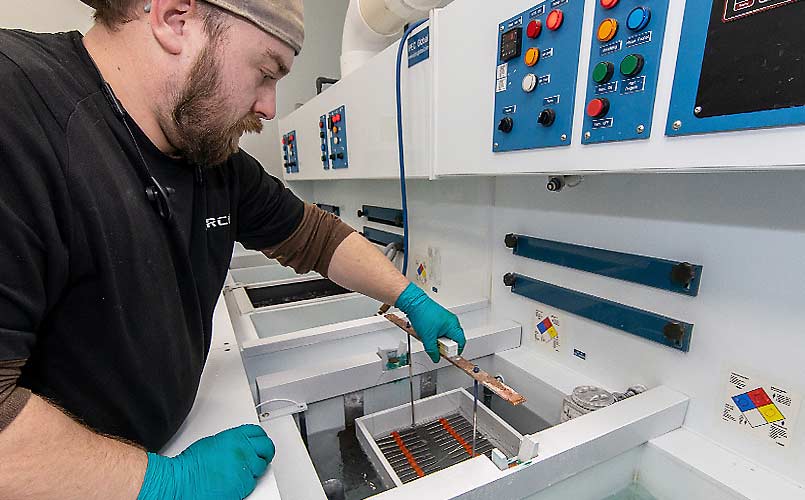
Validated Passivation & Cleanroom Workflows
Every implant and surgical tool processed at Greyack Medical undergoes ultra-sonic aqueous cleaning, validated chemical passivation, and particulate-controlled packaging. Our cleanroom facilities prevent bioburden contamination and ensure immediate readiness for OEM final sterilization routines.
3. Evaluation Guide: Selecting a Top 10 Medical OEM Manufacturing Partner
Selecting a contract manufacturing partner is a multi-year strategic decision for medical device companies. An unsatisfactory supplier audit or a quality recall can cost millions of dollars and damage market reputation. Procurement teams should evaluate candidates against four critical benchmarks:
- Quality Management Systems & Regulatory Credentials: Ensure the vendor maintains active ISO 13485:2016 certification and FDA Establishment Registration (21 CFR Part 820). Request past audit summaries, CAPA (Corrective and Preventive Action) metrics, and first-pass yield rates (target >99.5%).
- Engineering Depth & DFM Support: A superior OEM partner does not merely cut metal to print; their manufacturing engineers proactively analyze drawings to eliminate unnecessary tolerances, recommend cost-effective material equivalents, and optimize toolpaths to reduce cycle times.
- In-House Secondary Operations: Vendors relying on third-party subcontractors for heat treating, passivation, deep hole drilling, or wire EDM introduce unnecessary lead time delays and quality risks. Prioritize factories with comprehensive vertically integrated capabilities.
- Equipment Portfolio & Metrology Capability: Verify that the manufacturer operates modern multi-axis CNC machines (e.g., Citizen Swiss, DMG Mori 5-Axis) backed by automated CMM (Coordinate Measuring Machines), laser micrometers, non-contact optical comparators, and surface roughness testers.
Collaborate with Greyack Medical Engineers
Accelerate your product launch schedule with expert Design-for-Manufacturability feedback and transparent lead times for custom medical prototypes and mass production runs.
Inquire Now - Request DFM Review
Knowledge Base
Frequently Asked Questions by OEM Sourcing Teams
Essential regulatory, technical, and commercial answers for qualifying Greyack Medical as your primary contract manufacturer.
Is Greyack Medical FDA registered and ISO 13485 certified?
Yes. Our medical device manufacturing facilities maintain formal ISO 13485:2016 quality management system certifications and are registered with the US FDA as contract manufacturing establishments. We undergo rigorous third-party registrar audits and customer quality audits annually. Certificates and quality manuals are readily available to OEM sourcing teams during supplier qualification reviews.
Which medical device markets and clinical specialties do you support?
We manufacture custom components, sub-assemblies, and finished devices for orthopedics (joint reconstruction, trauma plates, locking screws, TPLO implants), spine (pedicle screws, spinal cages, distraction rods), dental (implants, abutments, surgical carbide burs), surgical robotics (end effectors, micro-wrist joints, drive gears), and minimally invasive surgical instruments (laparoscopic fascia closure devices, scalpel blade holders, silicone-handled MedTorque tools).
Can Greyack Medical handle projects from initial prototype to commercial volume production?
Absolutly. Our engineering team provides dedicated Design for Manufacturability (DFM) analysis during the early R&D stage, produces rapid prototypes via 5-axis CNC machining or powder-bed fusion 3D printing within fast-turn timeframes, supports process validation (IQ/OQ/PQ), and seamlessly transitions programs into scalable, validated production runs with automated quality control.
What quality documentation and regulatory deliverables do you supply with shipped components?
Every production lot is shipped with a comprehensive quality package tailored to your Device History File (DHF) requirements. Standard deliverables include Certificate of Conformance (CoC), raw material physical and chemical test certifications (MTR), CMM dimensional inspection reports, First Article Inspection (FAI) reports per AS9102/ISO standards, passivation compliance certificates, and full lot traceability numbers from raw bar stock to finished part.
What raw materials and bio-compatible metals are routinely processed in your facility?
We regularly machine medical-grade alloys including Titanium (Ti-6Al-4V ELI Grade 23, Grade 4, Grade 5), Stainless Steels (316L, 17-4 PH, Custom 455, 420, 440C), Cobalt-Chrome (CoCrMo per ASTM F75/F1537), Nitinol superelastic alloys, Tungsten Carbide, and high-performance engineered polymers such as implantable PEEK (Polyetheretherketone), Radel (PPSU), and Ultem (PEI).
How do international OEM procurement teams initiate a quote or supplier audit?
Initiating a project is straightforward. Submit your 2D/3D CAD models (STEP, IGES, SolidWorks), material specifications, estimated annual volumes (EAV), and target delivery dates to our engineering team by clicking the Inquire Now button below. A senior medical project engineer will evaluate manufacturability and respond with technical recommendations and commercial pricing within 24 to 48 business hours.
Partnering for Better Patient Outcomes
Ready to Qualify a World-Class Medical OEM Supplier?
Accelerate your supply chain compliance, reduce part cost, and achieve sub-micron precision with Greyack Medical contract manufacturing expertise.
Inquire Now