Featured Electropolished & Micro-Machined Components
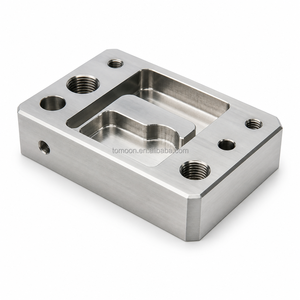
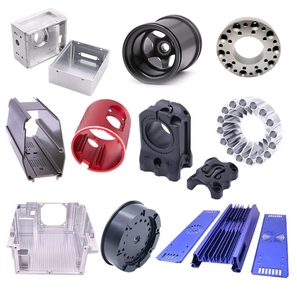
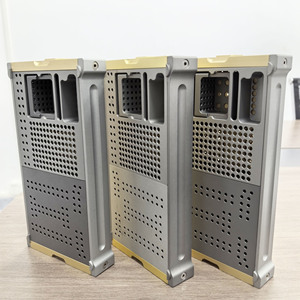
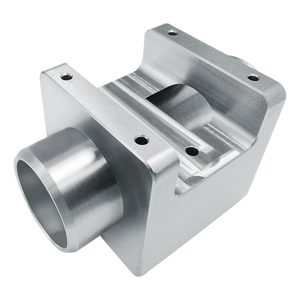
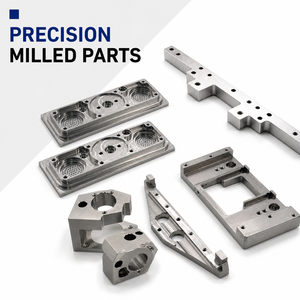
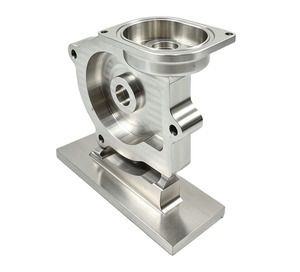
Explore engineered components processed to stringent implantable and surgical-grade standards via advanced CNC turning, 5-axis milling, wire EDM, and electrolytic polishing.
Executive Summary: Navigating Global Medical Electropolishing Suppliers
In the highly regulated medical device manufacturing sector, surface finishing is not merely an aesthetic consideration—it is a primary determinant of biological safety, fatigue life, corrosion resistance, and clinical performance. Electropolishing (electrochemical polishing) represents the definitive gold standard for surface conditioning of critical medical metals, including 316L VM stainless steel, Nitinol shape-memory alloys, Cobalt-Chromium (CoCrMo), and Titanium alloys (Ti-6Al-4V ELI).
As Original Equipment Manufacturers (OEMs) expand surgical robotics, minimally invasive cardiac delivery tools, and customized orthopedic implants, qualifying the right contract manufacturing and finishing partner becomes paramount. This report evaluates the Top 10 Medical Electropolishing Services Factories & Suppliers worldwide, offering a data-backed analysis of technical capabilities, regulatory compliance frameworks, surface chemistry validation methodologies, and supply chain reliability.
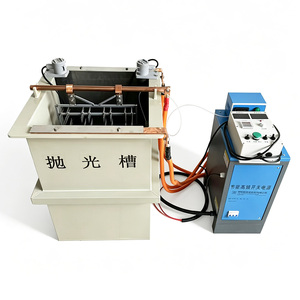
Unlike mechanical polishing, which smears metal across the surface to create a deceptive gloss while embedding abrasive contaminants, electropolishing selectively dissolves micro-peaks via controlled anodic oxidation. This process yields a true, featureless micro-finish, removes free iron, enriches the surface layer with Chromium oxide (Cr2O3), and eliminates sub-surface micro-cracks induced by machining stress.
Evaluation Criteria for Top Medical Finishing Contract Manufacturers
When conducting supplier qualification audits under ISO 13485 and FDA 21 CFR Part 820 standards, medical device sourcing and quality teams evaluate facilities against four critical technical vectors:
Automated titration, specific gravity monitoring, and electrolyte purity management (Phosphoric/Sulfuric formulations or glycol-free eco-chemistries) to ensure batch-to-batch repeatability.
Verification of Chromium-to-Iron (Cr/Fe) atomic ratios via X-ray Photoelectron Spectroscopy and Auger Electron Spectroscopy, ensuring Cr/Fe ratios ≥ 1.5–2.0 per ASTM F86.
Custom titanium and platinum-clad copper rack designs that guarantee uniform current density distribution across complex micro-geometries without contact point arc burn.
Benchmark Matrix: Surface Finishing Standards in Medical Device Manufacturing
The table below details standard industry metrics comparing raw CNC machined metal, mechanically passivated components, and precision electropolished parts across key biomedical metrics.
| Performance Parameter | As-Machined / CNC Standard | Passivated (Nitric/Citric Acid) | Medical Electropolished (ASTM B912) |
|---|---|---|---|
| Surface Roughness (Ra) | 0.8 µm – 1.6 µm (32 - 64 µin) | 0.6 µm – 1.2 µm (unaltered) | 0.05 µm – 0.2 µm (2 - 8 µin) |
| Cr/Fe Atomic Ratio | 0.5 – 0.8 (High iron content) | 1.0 – 1.4 (Moderate enrichment) | ≥ 1.8 – 2.5 (Maximum Passive Layer) |
| Micro-Burr & Flume State | Present along tool paths | Present, chemically cleaned | 100% Electromechanically Dissolved |
| Cyclic Fatigue Strength | Baseline (Stress risers present) | Baseline | +15% to +30% Improvement |
| Bacterial Biofilm Adhesion | High Risk (Pores trap bacteria) | Moderate Risk | Ultra-Low (Non-stick passive surface) |
Future Procurement Trends in Medical Electropolishing (2025–2030)
As surgical technology shifts toward micro-robotics, bio-resorbable structures, and patient-specific additive-manufactured implants, the surface finishing landscape is undergoing rapid technological convergence. Procurement executives must align with contract vendors investing in next-generation processing paradigms:
1. Electropolishing for Additive Manufacturing (3D Printed Metals): Selective Laser Melting (SLM) and Direct Metal Laser Sintering (DMLS) create complex internal lattice channels and porous structures. Traditional media blasting cannot reach internal geometry. Pulse-reverse electropolishing combined with dynamic ultrasonic agitation is now the essential technology to eliminate partially sintered powder spheres inside spinal cages and cranial plates.
2. Automated Nitinol Surface Optimization: Nitinol (NiTi) shape-memory alloys used in transcatheter heart valves and vascular stents demand precise nickel dissolution to prevent nickel leaching in vivo. Next-generation suppliers deploy automated low-temperature electropolishing lines that yield a uniform titanium oxide (TiO2) protective layer with zero surface micro-cracking during strain flexing.
3. Closed-Loop Green Electrolytes & Zero-Discharge Cleanrooms: Environmental regulations (REACH/EPA) are phasing out standard hexavalent chromate byproduct hazards. Top-tier medical factories are transitioning to closed-loop, acid-recycling systems using bio-neutral ionic liquids and environmentally sustainable electrolytes that achieve superior micro-polishing without hazardous hazardous chemical waste.
Enterprise Advantages & Integrated Contract Manufacturing Infrastructure
Leading OEMs are moving away from fragmented supply chains where machining, heat treatment, electropolishing, and laser marking are outsourced to separate vendors. Single-source contract manufacturing reduces turn-around times, eliminates cross-contamination risks, and centralizes validation ownership under one Quality System.
Sub-micron precision turning and multi-axis milling for complex bone screws, spinal rods, and endoscopic housings prior to chemical finishing.
Precision wire electrical discharge machining and drill-point flute grinding for surgical burs, taps, reamers, and ultra-sharp cutting edges.
Post-electropolishing ultrasonic ultra-pure water rinsing, passivation, and cleanroom heat sealing ensuring zero particulate contamination upon delivery.