Precision Medical Components & Specialized Equipment
Explore high-precision OEM prototyping solutions engineered for orthopedic, surgical, spinal, and dental applications under strict ISO 13485 quality control.
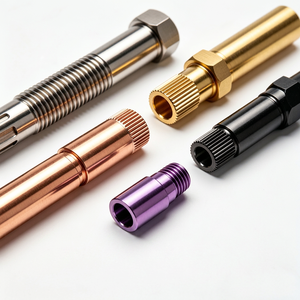
High Precision Titanium CNC Machining Parts Custom Anodized Medical Grade
Grade 5 Titanium (Ti-6Al-4V ELI) micro-components featuring bioactive anodization for joint replacements and trauma plates.
Get a Quote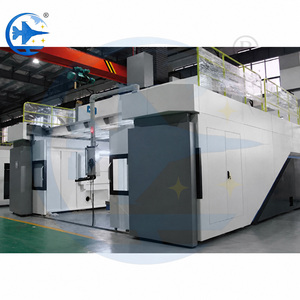
High Speed 5-Axis Simultaneous CNC Milling Center for Medical Implants
Sub-micron accuracy multi-axis machining centers dedicated to rapid prototyping of complex anatomical dental and orthopedic geometry.
Get a Quote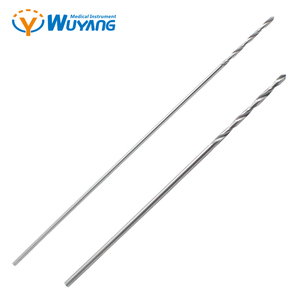
Stainless Steel Twist Drill Bits for Orthopedic Surgical Instrumentation
Ultra-sharp custom ground flute profiles in 316LVM / 420 stainless steel engineered for precise bone resection and low heat generation.
Get a Quote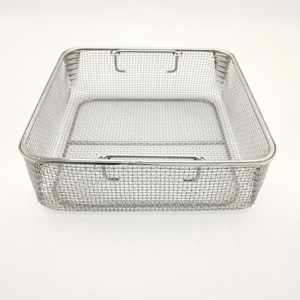
Stainless Steel Mesh Surgical Sterilization Baskets & Trays
Electropolished burr-free wire mesh trays designed for repetitive autoclave cycles, cleaning validation, and surgical tool protection.
Get a Quote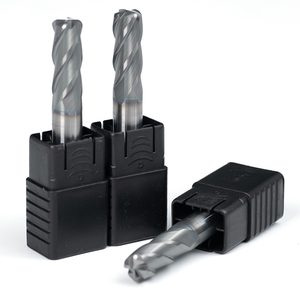
4-Flute Corner Radius End Mills for High-Precision Medical Grinding
Nano-coated solid carbide tooling tailored for micro-machining difficult alloys like Cobalt-Chrome, Inconel, and PEEK.
Get a Quote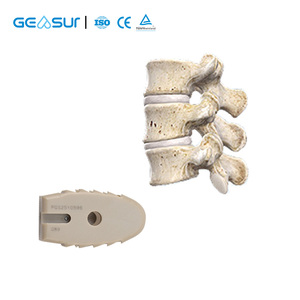
Orthopedic PEEK PLIF Cage Lumbar Interbody Fusion Implants
Radiolucent PEEK OPTIMA spinal fusion devices produced under Class III medical protocols with integrated Tantalum markers.
Get a Quote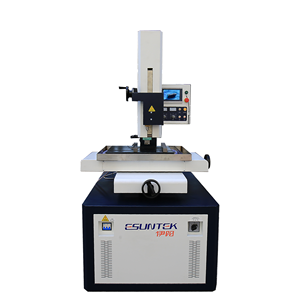
High-Speed Small Hole Drilling EDM Machine for Micro Medical Parts
Non-contact electrical discharge machining capable of penetrating hardened surgical steel and titanium down to 0.15mm diameter.
Get a Quote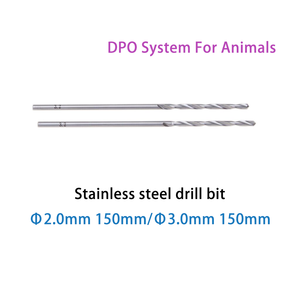
Veterinary Orthopedic Stainless Steel Surgical Drill Bits
Precision 2.0mm / 3.0mm quick-coupling bone drills engineered for feline and canine orthopedic trauma fixation surgery.
Get a QuoteExecutive Summary: The Strategic Value of Elite Prototyping Facilities
In the highly regulated ecosystem of medical device manufacturing, transitioning a scientific concept from initial CAD modeling to clinical trial evaluation and scalable production is fraught with technical, regulatory, and supply chain friction. Top-tier Original Equipment Manufacturers (OEMs) and biotech pioneers require contract manufacturing partners that combine aggressive rapid-turnaround capabilities with stringent Quality Management Systems (QMS).
Selecting the ideal medical device prototyping factory and exporter directly dictates your product's Time-to-Market (TTM), Design History File (DHF) compliance, and long-term yield efficiency. From Class I surgical hand instruments to Class III implantable spinal cages and surgical robotics end-effectors, precision prototyping serves as the empirical bridge between theoretical design for manufacturability (DFM) and bio-functional performance.
Core Industry Benchmark: Leading medical prototyping facilities maintain dual certification in ISO 13485:2016 and FDA 21 CFR Part 820 registration. This structural framework guarantees full lot traceability, material heat-lot validation, validated passivation workflows, and coordinate measuring machine (CMM) verification prior to clinical batch release.
Why Prototyping Infrastructure Determines Regulatory Success
Global regulatory authorities—including the U.S. FDA, European Medicines Agency (under EU MDR 2017/745), and Japan’s PMDA—have raised the standard for submission audit trails. A prototype is no longer merely a physical mockup; it is a bio-compatible, fully documented test specimen used in mechanical fatigue testing (such as ASTM F2077 for interbody fusion devices), cytotoxicity evaluations (ISO 10993-5), and sterilizability verifications. Contracting with specialized exporters ensures every prototype batch includes compliant Mill Test Reports (MTRs), Certificate of Conformance (CoC), and First Article Inspection (FAI) reports per AS9102/ISO standards.
Core Engineering Disciplines Required in Medical Prototyping
Advanced manufacturing infrastructure tailored for sub-micron tolerances, complex biocompatible materials, and non-destructive surface treatments.
Multi-Axis CNC Swiss Machining
High-speed simultaneous 5-axis milling and 11-axis Swiss turning cells enable continuous machining of complex orthopedic bone screws, cannulated drills, and micro dental implants with ±0.002mm accuracy.
Medical-Grade Tool Grinding
Specialized CNC flute grinding, drill-point grinding, and thread grinding facilities handling 316LVM, 420, and custom martensitic stainless steel alloys for razor-sharp surgical cutting instruments.
Powder-Bed Fusion (DMLS / SLM)
Selective Laser Melting of medical Titanium (Ti64) and Cobalt-Chrome to produce porous osseointegrative lattice geometries and custom acetabular cups unattainable through conventional machining.
Controlled Surface Finishing
Integrated chemical passivation (ASTM F86 / Citric & Nitric Acid), Type II & III anodizing, electropolishing, laser marking, and cleanroom ultrasonic degreasing prior to packaging.
Micro-EDM & Wire Erosion
Sub-millimeter small hole drilling EDM and wire electrical discharge machining capable of producing complex slots, keyways, and fine internal features in hardened surgical steels.
Silicone Overmolding & Assemblies
High-consistency rubber (HCR) and liquid silicone rubber (LSR) molding for ergonomic surgical handles, torque-limiting ratchets (MedTorque series), and modular instrument assemblies.
Future Procurement Trends in Medical Device Prototyping (2025–2030)
As the global medical technology sector moves toward personalized medicine, minimally invasive surgery (MIS), and AI-driven robotic diagnostics, procurement officers and engineering directors are shifting their sourcing criteria. Based on market intelligence gathered from leading OEMs, the next decade of prototype procurement will be governed by four pivotal trends:
1. Convergence of Additive and Subtractive Manufacturing
Traditional manufacturing operated in silos—either CNC machining or 3D printing. The modern paradigm relies on hybrid production workflows. Initial porous structures (such as trabecular metal surfaces on femoral stems) are generated via Direct Metal Laser Sintering (DMLS), followed immediately by 5-axis CNC high-speed milling to finish critical bearing surfaces, threads, and tapers to sub-micron smoothness. Prototyping factories possessing combined additive-subtractive shop floors reduce iteration lead times from 12 weeks to under 10 business days.
2. Rise of Implant-Grade Polymers (PEEK, Radel, PLLA)
While Titanium and Stainless Steel remain foundational, engineered polymers such as PEEK (Polyetheretherketone) and PLLA (Poly-L-lactic acid) are seeing unprecedented adoption. Machining implantable PEEK Optima requires strict temperature control, specialized carbide tooling, and oil-free coolant lines to prevent chemical contamination. Sourcing managers must evaluate whether a supplier maintains dedicated polymer machining cells isolated from metallic particulate cross-contamination.
3. AI-Assisted Design for Manufacturability (DFM) Feedback
Procurement teams no longer accept passive quotation. Leading contract exporters utilize automated, AI-driven DFM analysis platforms. Upon CAD file submission, automated algorithms evaluate tool clearance, thin-wall structural integrity, sharp internal radius bottlenecks, and thermal stress points. Immediate DFM feedback prevents costly redesign cycles prior to physical tooling execution.
4. Resilient & Audit-Ready Digital Supply Chains
Global geopolitical disruptions have prompted medical OEMs to diversify their vendor matrices while requiring absolute digital transparency. Future-proof prototyping vendors offer real-time digital inspection portals, enabling client quality engineers to review CMM laser scan clouds, optical comparator reports, and raw material mill certificates remotely before overseas air-freight shipment.
Enterprise Core Competencies: Why Global OEMs Partner With Us
As an FDA-registered and ISO 13485 certified contract manufacturer, Greyack Medical stands at the forefront of medical device prototyping and scalable exporter solutions. We specialize in transforming complex engineering challenges into validated, market-ready surgical instruments and life-saving implants.
Single-Source Accountability
From early-stage DFM consultation and rapid metal prototyping to secondary chemical passivation, laser etching, silicone overmolding, and final sterile packaging—all operations reside under one audited QMS umbrella.
Micro-to-Massive Precision
Our machining arsenal ranges from micro-Swiss turning cells handling 0.5mm dental abutment screws to massive multi-axis milling centers producing structural surgical robotic arms and housing units.
Proprietary Silicone Tooling
Our specialized MedTorque instrument division delivers custom fixed, ratcheting, and torque-limiting silicone handles engineered to withstand harsh enzymatic washing and repeated steam autoclave sterilization.
Frequently Asked Questions by OEM Sourcing & Quality Teams
Key technical insights addressing regulatory documentation, prototype lead times, quality assurance, and material compliance.
What quality certifications are mandatory for a medical device prototyping exporter?
How do you maintain material traceability from prototype to production?
What is the typical lead time for complex medical CNC prototypes?
How is passivation validated on custom stainless steel surgical tools?
Can you assist with Design for Manufacturability (DFM) for surgical robotics end-effectors?
What metrology equipment is utilized for micro-component verification?
Accelerate Your Medical Device Development Pipeline
Connect with our senior engineering team to upload your CAD models, review DFM feasibility, and receive an audit-ready prototype quotation within 24 hours.
Get a Quote