Precision Laparoscopic & Surgical OEM Components
Engineered to micron-level tolerances with validated biological compatibility, robust mechanical fatigue resistance, and absolute lot traceability.

Gr1 Titanium Mirror Sheet 8K Polished ASTM B265 99.9% Purity for Semiconductor & Medical Device Applications
Inquire Now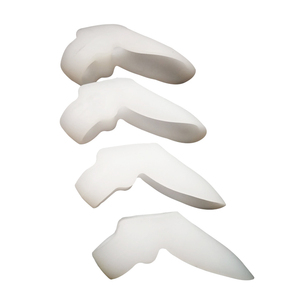
High Quality Medical Silicone Parts OEM Factory Heat Resistant Biocompatible Solid Silicone Components Fast Delivery
Inquire Now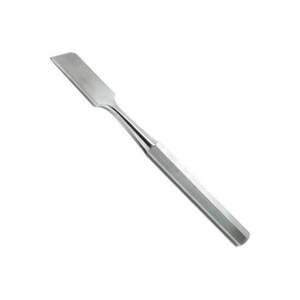
Surgical Scalpel Blade Manual CE Certified For General Surgery Class I Instrument
Inquire Now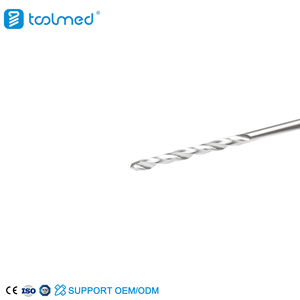
Orthopedic Implant Surgical Medical Round End 0.8 mm 1.1 mm 1.2 mm 1.5 mm 2.0 mm Bone Drill Bits
Inquire Now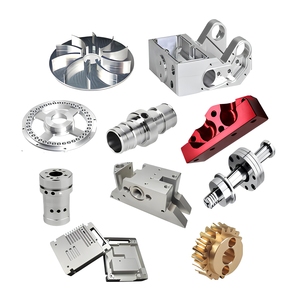
Cnc Machining Service Custom Cnc Parts CNC Turning Spare Parts Custom Medical Parts
Inquire Now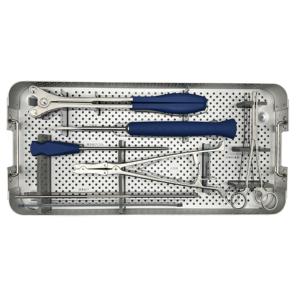
Spinal Medical Orthopedic Posterior Spinal Lnter-fixation System PSS Instruments Orthopedic Surgical Instrument
Inquire Now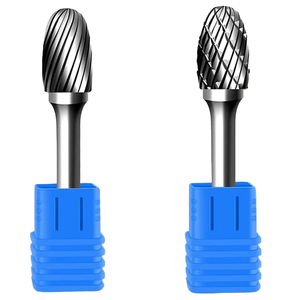
OEM Supported Single-Cut/Double-Cut Cylindrical Shank Tungsten Carbide Rotary Burrs for Grinding Deburring Cutting
Inquire Now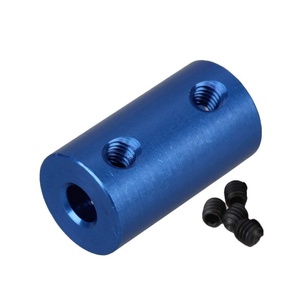
Cnc Machining Parts Aluminum Alloy Fixed Coupling Shaft Coupler with 5mm to 5mm
Inquire Now1. Industry Overview: Strategic Sourcing for Laparoscopic Component Manufacturing
In the rapidly evolving landscape of Minimally Invasive Surgery (MIS), original equipment manufacturers (OEMs) face unprecedented engineering and regulatory demands. Modern laparoscopic procedures—spanning general laparoscopy, gynecological oncology, bariatric interventions, and robotic-assisted surgeries—require tools that offer ultra-fine tactile feedback, absolute mechanical integrity under high torque, and pristine biocompatibility. As surgical techniques transition toward 3mm micro-laparoscopy and 5mm articulating instruments, the manufacturing burden on **OEM/ODM Laparoscopic Tool Components Suppliers** has shifted from basic machining to complex micro-engineering and multi-disciplinary systems integration.
Components such as micro-articulating jaw clevises, bipolar insulated shafts, ratcheting handle mechanisms, and trocar valve seals must operate flawlessly through thousands of duty cycles. A microscopic burr on a grasping jaw or a sub-micron void in a dielectric PTFE coating can compromise clinical outcomes or lead to unintended electrosurgical tissue burns. Sourcing managers and biomedical engineers require contract manufacturing partners who possess comprehensive metallurgical knowledge, state-of-the-art multi-axis CNC technology, and disciplined ISO 13485 quality frameworks.
Technical Insight: Precision in laparoscopic tool engineering is measured in single-digit microns. The functional performance of an endoscopic grasper hinges on the concentricity between the inner push-pull actuation rod and the outer protective shaft, requiring straightness tolerances of under 0.015mm over lengths exceeding 450mm.
2. Core OEM/ODM Product Subassemblies & Anatomical Engineering Breakdown
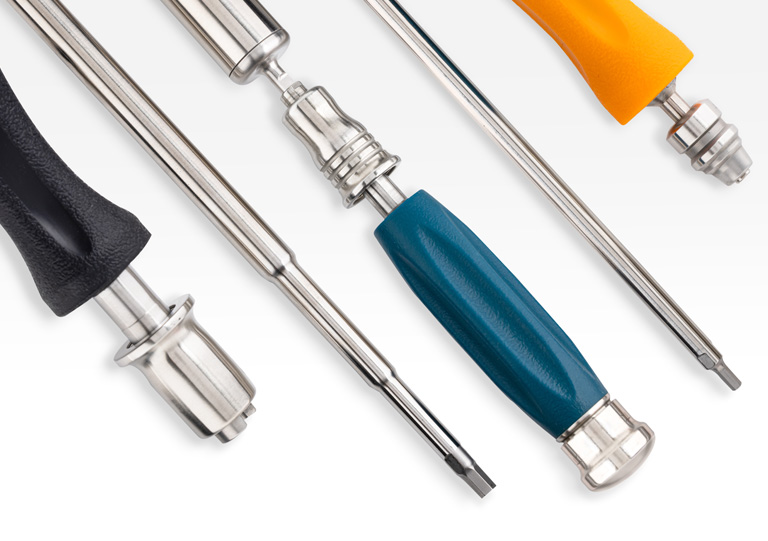
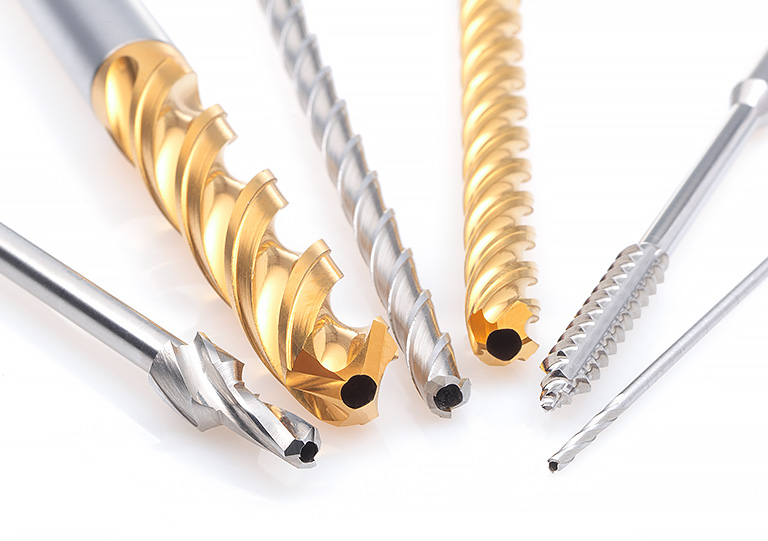
A premium laparoscopic handpiece is an assembly of tightly tolerance-matched mechanical, electrical, and polymer subassemblies. Contract manufacturing of laparoscopic tool components demands specialized capabilities across distinct functional modules:
End-Effector Jaws & Scissors Mechanisms
Utilizing 17-4PH H900 precipitation hardened stainless steel or Grade 5 Titanium (Ti-6Al-4V ELI), grasping jaws, Maryland dissectors, Metzenbaum scissors, and biopsy forceps are manufactured using Wire EDM, Sinker EDM, and 5-axis Swiss micro-milling. Jaw serrations, wave patterns, and micro-teeth are precision-ground to guarantee secure tissue hold without causing inadvertent ischemia or tissue trauma.
Inner Actuation Rods & Concentric Sheaths
Linear movement transfer relies on centerless-ground 316L Stainless Steel or Nitinol inner rods. The outer cannula shafts feature ultra-thin walls (0.15mm to 0.30mm) coated with heat-shrinkable FEP, PTFE, or PEEK insulation, engineered to withstand RF electrosurgical voltages exceeding 3,000V peak-to-peak without dielectric breakdown.
Ergonomic Silicone Handles & Torque Couplers
Utilizing MedTorque technology and Liquid Silicone Rubber (LSR) insert molding, customized ergonomic handles provide tactile feedback, non-slip surgeons' grip, and optional ratcheting or torque-limiting mechanisms. All polymer components undergo rigorous ISO 10993 cytotoxicity and biological evaluation testing.
Trocar Cannulas, Seals & Gas Valves
Maintain abdominal pneumoperitoneum with precision seal assemblies. Components include medical silicone duckbill valves, flapper valves, and CNC-lathed polycarbonate or titanium trocar sleeves engineered to minimize friction during rapid instrument exchanges.
3. Medical Grade Metallurgy & Polymer Selection Matrix
Selecting the appropriate raw material is critical to achieving mechanical durability, corrosion resistance, and regulatory approval. Below is a engineering overview of core materials processed in our facilities:
| Material Grade | Key Mechanical Properties | Typical Laparoscopic Application | Sterilization Compatibility |
|---|---|---|---|
| 17-4PH Stainless Steel | High yield strength, exceptional wear resistance, H900 heat treatable | Grasper jaws, scissors blades, clevis joints, push-pull pins | Autoclave (Steam), EtO, Gamma, STERRAD |
| 316L / 316LVM Medical SS | Superior corrosion resistance, low carbon content, non-magnetic | Outer tubular shafts, inner actuation rods, trocar cannulas | Autoclave, EtO, STERRAD |
| Titanium Grade 5 (Ti-6Al-4V ELI) | Biocompatible, high strength-to-weight ratio, paramagnetic | Ultrasonic surgical tips, lightweight articulating joints, implants | Autoclave, EtO, STERRAD, Gamma |
| PEEK (Polyetheretherketone) | High dielectric strength, radiolucent, chemical immunity | Insulation sleeves, bipolar housing isolators, shaft bushings | Repeated Autoclave cycles (500+), STERRAD |
| Medical Grade Silicone (LSR) | Biocompatible (USP Class VI), flexible, high tactile grip | Overmolded handle grips, trocar seals, internal gasket rings | Autoclave, EtO, Gamma |
4. Global Sourcing Trends & Next-Gen Technology Directions (2025–2030)
As surgical robotics platforms (such as intuitive teleoperated systems) expand globally, the boundaries between manual laparoscopic instruments and robotic end-effectors are blurring. Strategic buyers must account for several emerging procurement trends:
1. Shift Toward Hybrid Disposable-Reusable Architectures: To mitigate cross-contamination risks while controlling hospital costs, OEMs are requesting modular instruments. These feature reusable, high-autoclave silicone handle assemblies coupled to cost-effective, single-use precision-machined end-effector cartridges.
2. Integration of Robotic Kinematics & Cable Drive Systems: Robotic-assisted laparoscopy demands wrist-articulated tools with sub-millimeter drive pulleys and micro-gears. Components require precision wire-EDM cutting and micro-grinding with tolerances down to ±0.002mm to handle continuous cable tensioning without mechanical backlash.
3. Near-Net-Shape MIM Combined with Swiss CNC Finishing: Metal Injection Molding (MIM) is increasingly leveraged for high-volume complex jaw geometries, followed by 5-axis Swiss CNC post-machining on critical pivot holes and cutting edges to deliver cost reduction at scale without compromising precision.
4. Advanced Energy Isolation & Bipolar Coating Technologies: Advanced monopolar and bipolar vessels sealing instruments require micro-thin physical vapor deposition (PVD) ceramic or specialized fluoropolymer insulations capable of containing high-frequency radiofrequency energy under harsh fluid-filled surgical environments.
5. Quality Assurance, Regulatory Compliance & Validation Framework
A reliable OEM supplier must function as an extension of the medical device manufacturer’s internal quality system. Greyack Medical maintains a fully integrated ISO 13485 quality management system and FDA registered manufacturing facilities. Every production lot undergoes rigorous validation protocols to support your Design History File (DHF) and Device Master Record (DMR):
Metrology & Inspection Systems
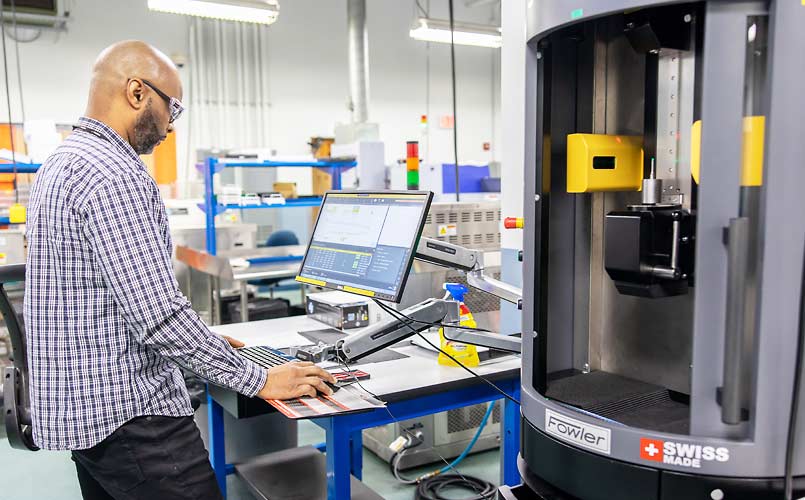
Utilizing non-contact 3D optical laser scanners, multi-sensor coordinate measuring machines (CMM), and automated vision systems, 100% critical-to-quality (CTQ) dimensions are verified. Surface roughness (Ra) is measured down to 0.1 microns to eliminate stress concentration points.
Process Validation (IQ/OQ/PQ)
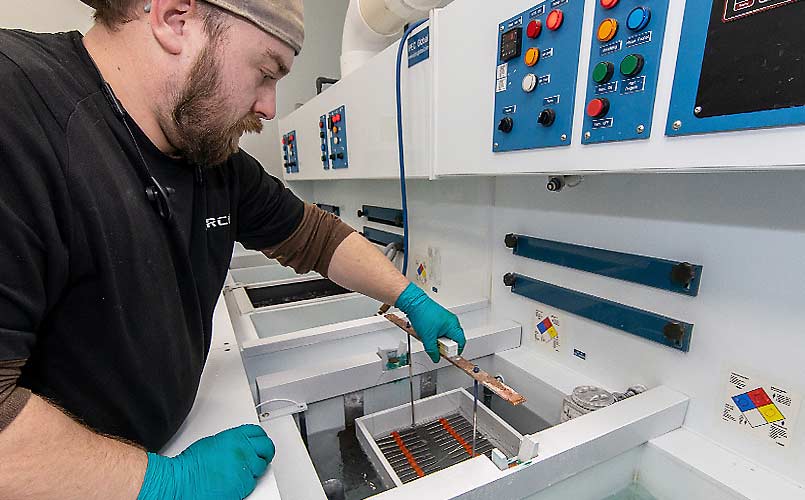
All manufacturing, cleaning, passivation (per ASTM A967), and laser marking operations undergo Installation Qualification (IQ), Operational Qualification (OQ), and Performance Qualification (PQ) to ensure predictable, repeatable batch-to-batch output.
6. Frequently Asked Questions (FAQ) for OEM Procurement & Engineering Teams
What specific tolerances can your CNC turning and Swiss machining achieve for micro-laparoscopic parts?
Are your manufacturing facilities FDA-registered and certified to ISO 13485?
Can you support complete project cycles from DFM prototyping to full mass production?
How do you handle cleaning, passivation, and cleanroom assembly for surgical tool components?
What custom options are available for laparoscopic handles and user interfaces?
How do international OEMs initiate a technical quotation or supplier qualification audit?
7. The Greyack Medical Manufacturing Advantage
By consolidating multi-disciplinary manufacturing processes under a single accountable contract manufacturing provider, Greyack Medical enables OEM procurement teams to shorten time-to-market, reduce supply chain handoffs, and ensure total compliance:
One-Stop Vertically Integrated Production
From raw bar stock machining, wire EDM, and flute grinding to overmolding, surface passivation, laser marking, and cleanroom assembly, we manage the entire value chain in-house.
Uncompromised Regulatory Traceability
Every component lot is accompanied by complete material chemical certifications, heat treatment logs, dimensional inspection reports, and Device History Record (DHR) documentation.
Ready to Accelerate Your Laparoscopic Device Program?
Partner with an FDA-registered, ISO 13485-certified leader in precision medical contract manufacturing. Share your technical specifications and 3D CAD files with our engineering team today.
Contact Us