Featured Medical & Dental Manufacturing Solutions
Explore our specialized production capabilities, custom tooling, silicone handle assemblies, and dental milling technology.
Engineering Excellence in Dental Implant Contract Manufacturing
The global dental implant market is undergoing a structural transition driven by digital dentistry workflows, patient-specific restorative demands, and stringent regulatory frameworks established by global health authorities including the US FDA, European MDR (EU 2017/745), and NMPA. Original Equipment Manufacturers (OEMs) and Original Design Manufacturers (ODMs) face escalating pressure to accelerate time-to-market while maintaining sub-micron accuracy, complete material biocompatibility, and repeatable surface integrity across high-volume production cycles.
As an ISO 13485-certified and FDA-registered contract manufacturer, Greyack Medical acts as a direct technical extension of global dental brand supply chains. We bridge complex implant designs with full-scale automated manufacturing. From high-speed multi-axis Swiss CNC turning of titanium dental screws and customized stock/pre-milled abutments to additive laser powder-bed fusion (PBF) of complex porous root-form structures, our industrial platform is validated to exceed international standards (ISO 14801 for dynamic fatigue testing and ASTM F136 / ASTM F67 for surgical implant materials).
Technical Gain Insight: Modern dental OEM sourcing requires more than basic contract machining; it demands integrated surface science (SLA/SLActive bio-passivation), precise internal connection indexing (hexagonal, conical, or Morse taper), and comprehensive Design for Manufacturability (DFM) support to mitigate micro-gap fatigue failure risks.
Advanced Micro-Machining and Surface Engineering Platform
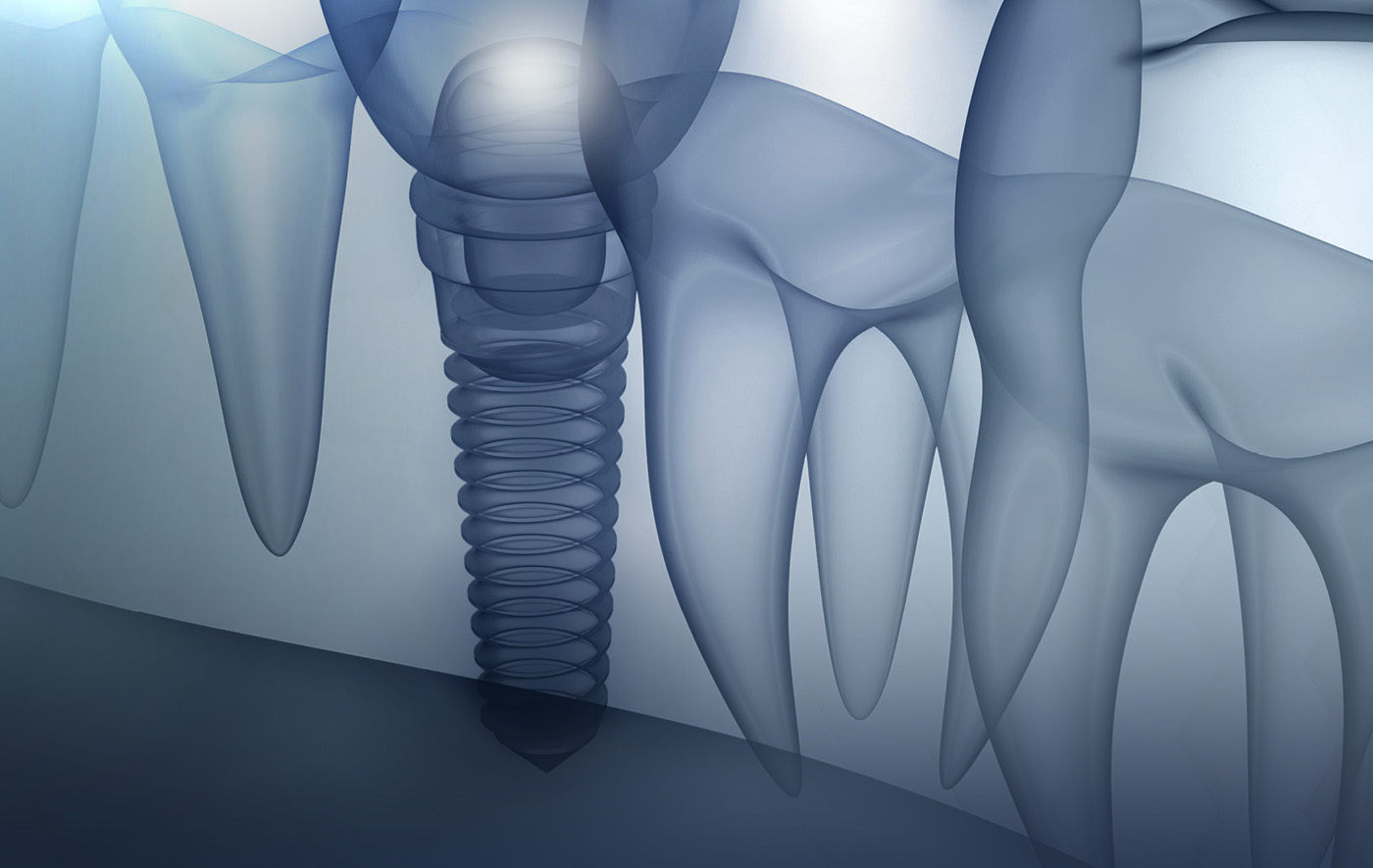
Precision dental implant fabrication demands tight dimensional control over complex geometric features, including aggressive self-tapping threads, micro-grooves, internal retention threads, and anti-rotational indexed geometries. Utilizing state-of-the-art 9-axis Swiss CNC turning centers equipped with high-rpm live tooling and high-pressure oil coolant systems, we achieve tight tolerances consistently down to ±0.002 mm (±2 microns).
Furthermore, early osseointegration depends heavily on surface topography. Greyack Medical delivers automated grit-blasting with high-purity aluminum oxide (Al2O3) media followed by controlled dual-acid etching (SLA surface treatment) to produce optimal micro- and nano-roughness (Sa 1.0 – 2.0 μm), accelerating osteoblast differentiation and bone anchorage.
Future Sourcing Trends in Global OEM/ODM Dental Implant Supply Chains
Strategic procurement teams within orthopedic and dental device organizations are moving away from fragmented, multi-vendor supply networks toward consolidated end-to-end contract manufacturing partners. Understanding future procurement trends enables medical device executives to build resilient, compliant, and cost-effective manufacturing pipelines.
Additive-Subtractive Hybrid Manufacturing
Combining powder-bed fusion 3D metal printing with Swiss turning enables highly porous trabecular titanium surfaces with micro-machined internal connection threads in a streamlined single-lot process.
Biocompatible Metal-Free Zirconia Implants
Rising market demand for holistic and high-aesthetic solutions is driving OEM adoption of Yttria-stabilized Tetragonal Zirconia Polycrystal (Y-TZP) ceramic implants, demanding diamond-grinding precision.
Turnkey Regulatory Documentation
Global OEMs now expect contract suppliers to deliver complete Device History Records (DHR), material lot certification, process validation protocols (IQ/OQ/PQ), and Master File support for faster regulatory approval.
Material Selection Science: Grade 4 Pure Titanium vs. Grade 23 Ti-6Al-4V ELI
Material selection defines the mechanical fatigue limits and biocompatibility performance of dental fixtures. Below is a detailed technical matrix comparing the primary medical-grade alloys utilized across our custom OEM/ODM production lines:
| Material Specification | Tensile Strength (MPa) | Yield Strength (MPa) | Biocompatibility Standard | Primary Clinical Application |
|---|---|---|---|---|
| Commercially Pure Titanium (CP Grade 4) | ≥ 550 | ≥ 483 | ASTM F67 / ISO 5832-2 | Standard single-tooth implant bodies, tissue-level fixtures requiring high bone contact. |
| Ti-6Al-4V ELI (Grade 23 Titanium) | ≥ 860 | ≥ 795 | ASTM F136 / ISO 5832-3 | Narrow-diameter implants, multi-unit bridge abutments, heavy load-bearing prosthetic screws. |
| Y-TZP Medical Zirconia | ≥ 1200 (Bending) | N/A (Ceramic) | ISO 13356 | Metal-free aesthetic monoblock and two-piece ceramic implants, custom abutments. |
| PEEK (Polyetheretherketone) | ≥ 95 | ≥ 90 | ASTM F2026 | Temporary healing caps, scan bodies, custom prosthetic copings and provisional abutments. |
Greyack Medical Enterprise Advantages: Why Global OEMs Partner With Us
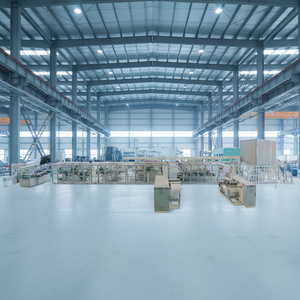
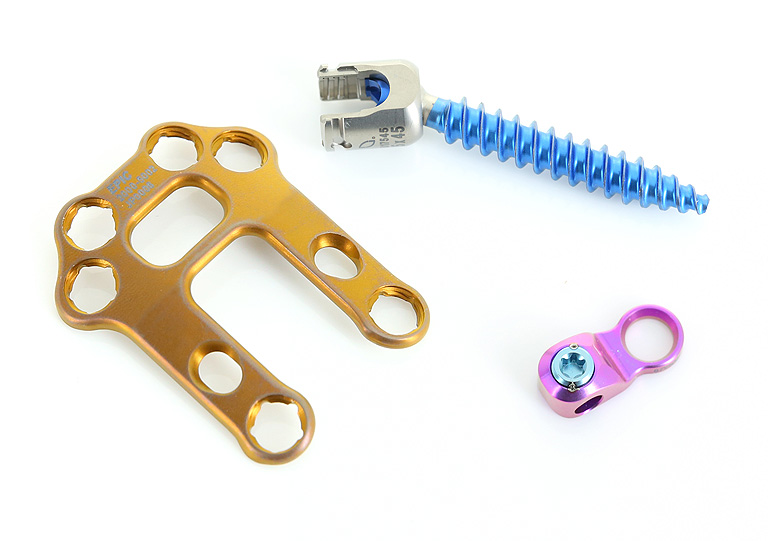
Partnering with Greyack Medical provides medical device companies with an agile, high-precision contract manufacturing environment designed around zero-defect quality standards. Our facility brings together Swiss CNC turning, high-rpm medical grinding, titanium additive manufacturing, and controlled cleanroom washing into one transparent supply chain.
Full-Spectrum Engineering & Manufacturing Ecosystem
Our engineering team delivers direct value through early-stage Design for Manufacturability (DFM) reviews, reducing tool changeovers and optimizing thread geometries to mitigate dynamic fatigue points. Key organizational advantages include:
- FDA-Registered & ISO 13485 Certified Facilities: Operating strict Quality Management Systems (QMS) compliant with 21 CFR Part 820.
- Sub-Micron Metrology Verification: Utilizing Zeiss Coordinate Measuring Machines (CMM), optical shaft measurement systems, and laser profile scanners for 100% thread feature control.
- Class 7 Cleanroom Washing & Packaging: Ultra-clean ultrasonic solvent cleaning, citric/nitric acid passivation according to ASTM F86 standards, and cleanroom primary pouch sealing.
- Scalable Production Lines: Dedicated cell configurations built to ramp seamlessly from initial prototype verification batches to high-volume commercial production.
Integrated Production Capabilities under One Quality Management System
Swiss CNC Precision Turning
High-precision multi-axis turning for complex external threads, micro-grooves, and internal hex or conical implant connections held within micron-level tolerances.
Medical Tool & Flute Grinding
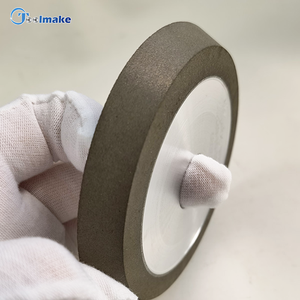
Specialized diamond wheel grinding for surgical drills, countersinks, taps, initial drills, and prosthetic drivers crafted from German surgical-grade stainless steel.
Additive Metal Manufacturing
Direct Metal Laser Sintering (DMLS) of titanium porous implant structures, customizable patient-matched subperiosteal frames, and surgical guide accessories.
End-to-End OEM/ODM Production Workflow & Quality Verification
Transitioning a proprietary dental implant design into validated commercial production requires strict adherence to international quality management guidelines. Our five-stage contract manufacturing execution process guarantees complete component compliance and regulatory readiness.
5-Stage Contract Manufacturing Quality Architecture
- Engineering DFM & Material Traceability: In-depth drawing analysis, tolerance stack-up calculation, and full raw material certification review (MTRs) before cutting metal.
- Swiss CNC Prototype & Tooling Optimization: Rapid prototyping on production-equivalent machines to verify thread pitch accuracy, fitment with prosthetic drivers, and initial insertion torque performance.
- Process Validation (IQ / OQ / PQ): Formally validated operational parameters, cleanroom washing cycles, automated SLA surface etching concentrations, and passivation processes.
- Micro-Metrology & Fatigue Testing Support: Optical 3D thread measurements, surface roughness profiling (Ra/Sa testing), and ISO 14801 dynamic fatigue testing qualification.
- Controlled Cleaning & Sterile-Ready Packaging: Ultrasonic particulate removal, bioburden testing verification, and primary pouch sealing in ISO Class 7 cleanrooms.
Frequently Asked Questions (FAQ) for OEM/ODM Dental Sourcing
Answers to technical, regulatory, and logistics queries commonly posed by medical device procurement directors and engineering leads.
Are Greyack Medical facilities FDA-registered and ISO 13485 certified?
Yes. Our medical device contract manufacturing facilities maintain active ISO 13485:2016 certifications and are fully registered with the US FDA as contract manufacturers (compliant with 21 CFR Part 820 Quality System Regulations). Full QMS audit documentation and official certificates are provided during supplier qualification.
What internal connection geometries can you machine for custom implant lines?
We possess deep experience micro-machining all standard and proprietary connection types, including Internal Hexagon, Conical Morse Taper (e.g., 11° / 16° tapered connections), External Hexagon, Tri-Lobe, and Star/Torx anti-rotational features. Micro-machining tolerances on internal indexing are maintained within ±0.002 mm.
Do you offer validated surface treatment services such as SLA or Anodization?
Yes. We provide complete validated surface treatment processes including Sandblasted Large-grit Acid-etched (SLA) surface profiling for controlled osseointegration, Type II / Type III titanium anodizing for color-coded prosthetic platform identification, and nitric/citric acid passivation per ASTM F86.
What documentation is provided with delivered product batches to support regulatory filings?
Every production lot is delivered with comprehensive Device History Records (DHR) deliverables, including Raw Material Mill Test Certificates (MTRs), First Article Inspection (FAI) reports per AS9102/ISO standards, CMM dimensional inspection sheets, surface roughness test charts, passivation verification, and Certificate of Conformance (CoC).
How do international buyers initiate a custom OEM/ODM project with your engineering team?
Initiating a contract program starts by sharing 3D CAD models (STEP/IGES) and 2D engineering drawings specifying dimensions, thread tolerances, material requirements, and surface finish targets. Our engineering team reviews the files under a Non-Disclosure Agreement (NDA) and delivers a detailed DFM feedback report and commercial quotation.
Ready to Scale Your Dental Device Manufacturing?
Connect directly with our medical contract manufacturing engineers to review your technical drawings, validate manufacturability, and secure reliable supply chains.
Send an Inquiry