Precision Medical & Robotic Instrumentation Components
High-speed CNC machined, micro-ground, and additive-manufactured components designed for minimally invasive surgery, orthopedics, and robotic arms.
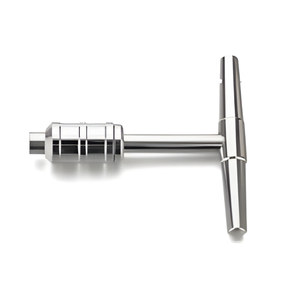
External Fixator Medical Implants External Fixation Orthopedic AO Quick Coupling Handle
Get Catalog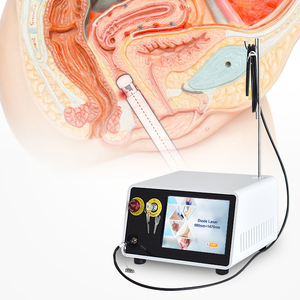
980nm+1470nm Minimally Invasive Laser Gynecology Vaginal Tightening Gynecological Laser Instrument
Get Catalog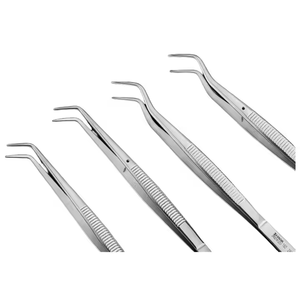
Dental Surgical Forceps Set Dental Orthodontic Tweezers for Surgical Instruments
Get Catalog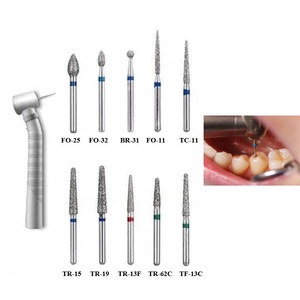
High Speed Handpiece FG Burs High Quality Dental Diamond Burs For Endodontic
Get Catalog
Stainless Steel Rings 18K Gold Plated Inlay Hypoallergenic Surgical Steel Component Assemblies
Get Catalog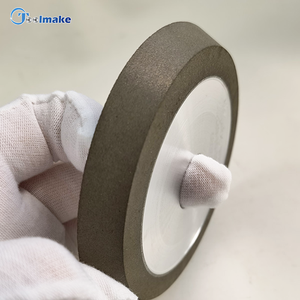
Precise 1V1 Type CBN Grinding Wheels Used for Flute and End Mill Processing With High RPM Speed
Get Catalog
Intelligent High Speed Full Servo Medical Pads & Surgical Component Making Machine
Get Catalog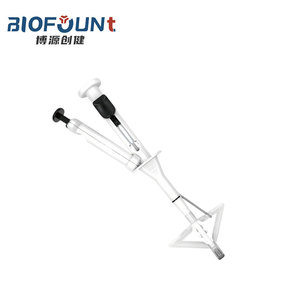
OEM ODM Precise Surgical Equipment Minimally Invasive Fascia Closure Device 50mm Jaw Opening
Get CatalogExecutive Summary: Navigating OEM Surgical Robotics Component Manufacturing
The global field of robotic-assisted surgery (RAS) is undergoing a structural transition toward sub-millimeter precision, multi-articulated wrist dynamics, and specialized haptic feedback mechanisms. For Original Equipment Manufacturers (OEMs), procuring custom surgical robotics components—ranging from miniature high-torque drive mechanisms, wristed end-effectors, complex trocar port interface housings, to titanium bone-cutting robotic attachments—demands a contract manufacturing partner equipped with multi-axis CNC Swiss machining, 5-axis grinding, metal powder-bed fusion additive manufacturing, and strict biocompatibility process controls under ISO 13485 guidelines.
Custom OEM surgical robotics components factories must solve complex mechanical challenges: zero-backlash force transmission, low-friction biocompatible surface passivation, cyclic sterilization endurance (autoclave and STERRAD resistance), and strict dimensional repeatability across production batches. As surgical robotics expands beyond laparoscopic soft-tissue interventions into orthopedic total-joint arthroplasty, spinal pedicle screw navigation, neurological burring, and endoscopic endoluminal procedures, the manufacturing specification matrix shifts from basic precision machining to integrated mechatronic contract manufacturing.
Industry Insights: Technical Buyers and Surgical Device OEM Sourcing Directors must evaluate contract manufacturers based on verified Quality Management Systems (QMS), documented Design for Manufacturability (DFM) support, material lot traceability, cleanroom assembly capabilities, and demonstrated experience in producing micro-scale kinematic subassemblies.
This technical whitepaper provides medical device sourcing executives, lead mechanical engineers, and regulatory affairs teams with an in-depth analysis of custom surgical robotics component manufacturing. It highlights core production methodologies, future market procurement trends, technological innovations in robotic actuation and surface engineering, enterprise evaluation criteria, and a structured procurement roadmap for scaling surgical robotics programs from prototype verification to commercial validation.
Core Engineering Disciplines for OEM Surgical Robotics Manufacturing
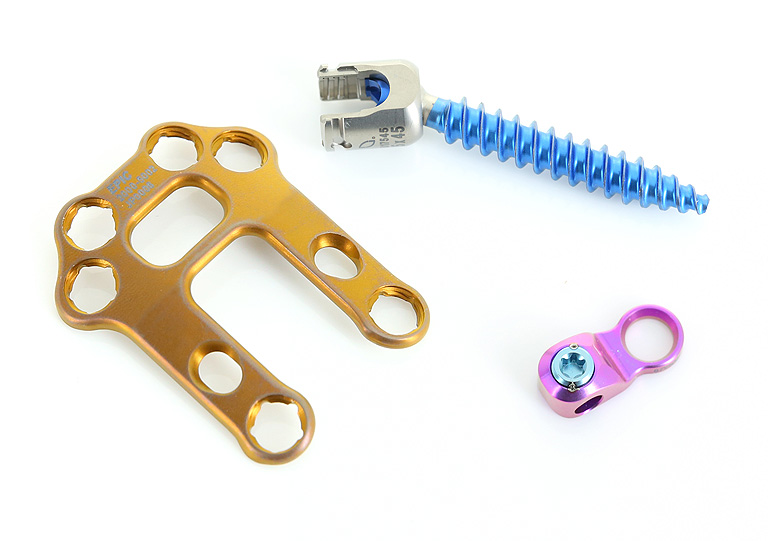
Producing custom components for robotic surgery units requires an integrated suite of advanced manufacturing technologies. Unlike standard medical device manufacturing, surgical robotics subassemblies feature coupled mechanical, electrical, and optical interfaces that operate under dynamic load conditions within small anatomical envelopes.
Micro-CNC Swiss & Multi-Axis Machining
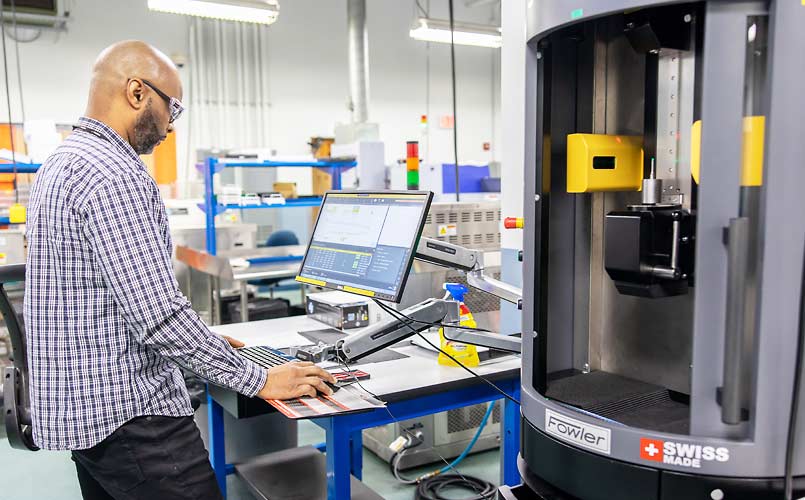
Execution of complex geometric features, cable pulley channels, and pin joints on 9-axis Swiss lathe systems. Holds micron-level tolerances (±0.0025 mm) on medical-grade Titanium (Ti-6Al-4V ELI), 17-4PH stainless steel, Nitinol, and PEEK.
Precision Medical Grinding
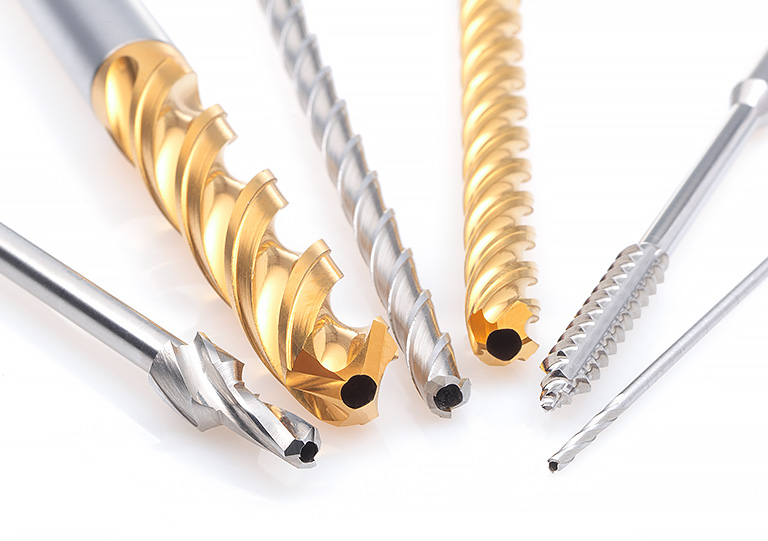
Ultra-precise flute, thread, and drill-point grinding utilizing CBN (Cubic Boron Nitride) grinding wheels for surgical rotary instruments, burrs, reamers, and robotic bone-cutting end effectors, ensuring burr-free microscopic cutting edges.
Powder-Bed Fusion Additive Manufacturing
Direct Metal Laser Sintering (DMLS) for complex lightweight robotic joints, organic structural arms, and patient-specific porous implant interfaces impossible to produce via traditional subtractive methods.
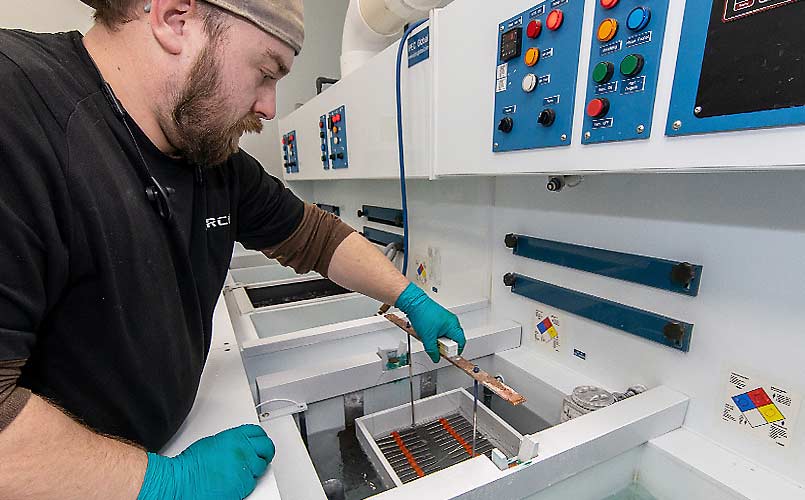
The synthesis of high-precision subtractive machining, specialized grinding, and additive layer manufacturing allows contract suppliers to engineer end effectors with high strength-to-weight ratios, minimal inertia, and exceptional kinematic response speed. Combined with specialized surface treatments—such as citric/nitric acid passivation, electropolishing, and laser marking—these components meet strict regulatory standards for cleanroom sterility and biocompatibility.

Technical Specifications & Tolerances for Robotic Subassemblies
OEM engineering teams must establish strict material selection and tolerance parameters during early-stage Design for Manufacturability (DFM) reviews to ensure system-level reliability during robotic procedures. Below is a comparative technical specification matrix for standard surgical robotics component classes:
| Component Category | Primary Materials | Dimensional Tolerance | Surface Roughness (Ra) | Key Quality Validation |
|---|---|---|---|---|
| Wristed End Effectors (Graspers, Scissors) | 17-4PH Stainless, Ti-6Al-4V, Nitinol | ±0.0025 mm (0.0001 in) | < 0.2 µm (8 µin) | 100% Optical CMM Inspection, Micro-DeBurring |
| Robotic Arm Gear Drives & Actuators | Custom 455 Stainless, High-Strength Alloys | ±0.005 mm | < 0.4 µm | Backlash Measurement, Gear Pitch Verification |
| Trocar & Port Interface Housings | Medical Grade PEEK, Anodized Titanium | ±0.010 mm | < 0.4 µm | Autoclave Endurance Testing, Leak Tightness |
| Orthopedic Robotic Rotary Cutting Tools | Custom 465 Stainless, Carbide Insert | ±0.003 mm | < 0.1 µm (Mirror Flute) | Concentricity Verification, Flute Geometry Runout |
| Ergonomic Silicone-Handled Tools | Surgical Steel Core, Bio-Silicone Rubber | ±0.020 mm | N/A (Overmolded) | ISO 10993 Biocompatibility, Peel Strength Test |
Future Procurement Trends in Surgical Robotics Manufacturing (2025–2030)
The global medical robotics supply chain is undergoing structural changes driven by geopolitical developments, regulatory evolution, and rapid technological adoption. OEMs are adjusting their global procurement strategies based on five primary operational shifts:
1. Supply Chain Consolidation & Full-Lifecycle Integration
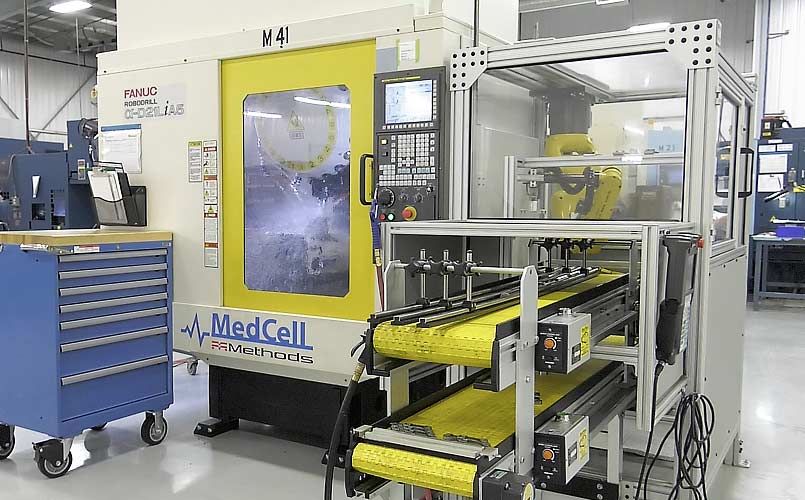
Device OEMs are shifting away from fragmented tier-2 and tier-3 supplier networks toward single-source contract manufacturing partners capable of delivering vertically integrated solutions. Modern contract manufacturers must manage every stage of production internally—from raw material lot verification, 5-axis CNC machining, micro-grinding, laser engraving, passivation, cleanroom subassembly, to sterilizable pouch packaging. This integration reduces transfer risks, shortens lead times by 30-50%, and streamlines regulatory submission audits.
2. Early Stage DFM & Concurrent Process Engineering
Waiting until design freeze to involve manufacturing suppliers often leads to costly re-engineering cycles, missed tolerances, and delayed commercial launches. Procurement teams are establishing early supplier involvement (ESI) frameworks during prototype development. By applying Design for Manufacturability (DFM) analyses to complex cable-driven wrist components, contract manufacturing engineers can optimize tool paths, select optimal alloy heat treatments, and lower component costs before finalizing the Design History File (DHF).
3. 100% Digital Traceability & Automated Quality Systems
Paper-based quality tracking is being replaced by integrated digital manufacturing execution systems (MES). Procurement contracts for surgical robotics increasingly require automated Coordinate Measuring Machine (CMM) optical inspection logs, complete material mill test certificates, laser measurement profiles, and lot-level traceability tied to every serial number. Digital quality records streamline FDA 510(k) and EU MDR technical documentation submissions.
4. Additive-Subtractive Hybrid Manufacturing Workflows
The combination of Powder-Bed Fusion 3D printing with precision CNC finishing is redefining robotic structural arm and housing production. Additive manufacturing enables complex internal cooling channels, optimized lattice structures, and topology-optimized lightened geometries, while secondary high-speed CNC milling ensures critical bearing seats and pin joints meet micron-level tolerances.
5. Risk Mitigation & Multi-Regional Manufacturing Footprints
Geopolitical shifts and supply chain bottlenecks have highlighted the necessity of dual-sourcing strategies and certified regional contract manufacturing facilities. Forward-thinking OEMs are pairing offshore high-volume precision manufacturing centers with local rapid-prototyping facilities to protect production schedules against supply disruption.
Surgical Robotics Technology Development Trends
The architectural evolution of surgical robots directly impacts component specifications. Contract manufacturing factories must continuously upgrade their technology stacks to match next-generation surgical system designs:
Miniaturization & Single-Port Access End Effectors
The movement toward single-port laparoscopic access and endoluminal robotic platforms requires shrinking wrist articulation mechanisms into footprints smaller than 5 mm in diameter. Manufacturing tiny shafts, micro-pulleys, and delicate clevis joints requires micro-machining capabilities, high-resolution wire EDM (Electrical Discharge Machining), and ultra-fine deburring under high-magnification vision systems.
Smart Instrument Integration & Haptic Sensor Arrays
Modern surgical instruments are evolving from passive mechanical tools into smart mechatronic devices embedded with force-torque sensors, strain gauges, and fiber-optic Bragg grating (FBG) arrays. Component suppliers must machine internal channels, sensor pockets, and wire pass-through conduits within stainless steel and titanium structures without compromising structural integrity or biocompatible seals.
Zero-Backlash Kinematic Drives & Strain Wave Gearing
Robotic position accuracy relies heavily on minimizing backlash within motor drives and joint actuators. Custom factories are increasingly tasked with manufacturing micro harmonic drive components, high-precision planetary gear trains, and custom-splined drive shafts with gear teeth ground to AGMA Q12+ standards to ensure smooth force transmission during microsurgical tasks.
Enterprise Advantage: Qualifying a World-Class OEM Manufacturing Partner
Selecting the right contract manufacturing factory is a strategic decision that affects regulatory timeline approval, production scalability, and clinical performance safety. Sourcing teams evaluate potential manufacturing partners based on core enterprise advantages:
ISO 13485 & FDA Registration
Certified Quality Management System operating under strict medical device regulations. Rigorous internal auditing, IQ/OQ/PQ process validation protocols, and comprehensive risk management frameworks compliant with ISO 14971.
Advanced Multi-Discipline Facility
Under-one-roof production capabilities integrating high-speed Swiss machining, multi-axis milling, specialized flute grinding, metal 3D printing, and cleanroom packaging to reduce vendor management complexity.
Dedicated Engineering DFM Support
Experienced team of mechanical engineers and metallurgists providing actionable feedback on print tolerances, surface treatments, tool access, and cost reduction strategies from prototype to mass production.
Surgical Robotics Procurement & Manufacturing FAQ
Answers to fundamental technical, regulatory, and commercial inquiries raised by OEM procurement teams during supplier qualification audits:
Is your manufacturing facility FDA registered and ISO 13485 certified?
Yes. Our precision manufacturing facilities operate under an established ISO 13485 quality management system specifically tailored for medical device component production and contract assembly. Facilities are registered with the U.S. FDA and undergo regular internal, third-party, and OEM client audits to maintain full regulatory compliance across all production lines.
What specific materials do you process for surgical robotics components?
We process a wide range of biocompatible, implant-grade, and high-strength alloys. Primary materials include Titanium (Ti-6Al-4V Grade 5, Grade 23 ELI), Stainless Steels (17-4PH, 316LVM, Custom 455, Custom 465, 420), Cobalt-Chromium alloys (CoCrMo), Nitinol shape-memory alloys, tungsten carbide inserts, and engineering polymers like PEEK (Polyetheretherketone), Radel, and medical-grade silicone.
Can you assist with prototype development and Design for Manufacturability (DFM)?
Yes. Our engineering team routinely engages with OEM design teams during early-concept R&D phases. We review 3D CAD models and engineering prints to suggest tolerance adjustments, material selection optimizations, tool access modifications, and efficient machining strategies that reduce component costs while improving mechanical reliability.
What quality verification and inspection documentation do you supply with shipped parts?
Every shipment includes a comprehensive quality documentation package tailored to support your Design History File (DHF) and device master record (DMR). Standard deliverables include Certificate of Conformance (CoC), material mill certifications with heat numbers, 100% or AQL dimensional inspection reports from automated optical/CMM systems, passivation chemical test certificates, and complete lot traceability documentation.
How do international OEM procurement teams initiate a technical quotation?
To initiate a comprehensive technical and commercial review, submit your 3D CAD files (STEP/IGES), 2D engineering drawings detailing critical-to-quality (CTQ) dimensions, material specifications, estimated annual volumes (EAV), and target delivery schedules via our secure customer portal or by contacting our engineering sales department directly.
Ready to Scale Your Surgical Robotics Component Manufacturing?
Partner with an FDA-registered, ISO 13485-certified contract manufacturer equipped for micron-level precision, rapid prototyping, and scalable mass production.