
Precision Medical Components Catalog
High-Precision Machined Assemblies & Surgical Hardware
Manufactured under ISO 13485 quality controls using 5-axis CNC milling, Swiss precision turning, and micro-grinding technologies.
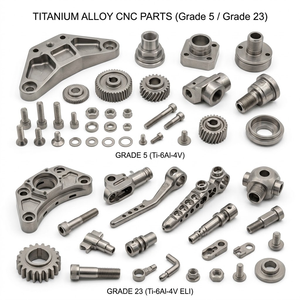
High Tolerance CNC Machining Service Grade 23 Medical Titanium Grade 5 Aerospace Titanium Custom Machined Components
Get Catalog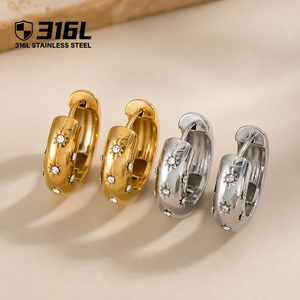
316L Stainless Steel Precision Machined Custom Component Assemblies & Specialized Hardware
Get Catalog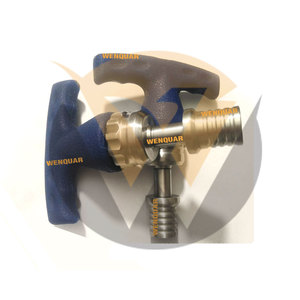
High Quality Ratchet T Handle Orthopedic Surgery Instruments Silicone Grip Handle Stainless Steel Grade
Get Catalog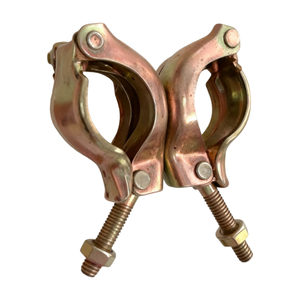
High Cost-Performance Fixed Coupling Rotary Clamp Machined Metal Parts & Precision Structural Assemblies
Get Catalog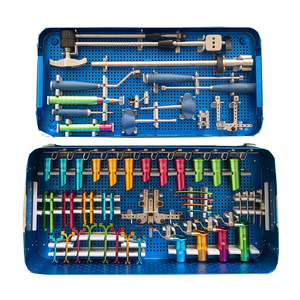
High Quality Stainless Steel Spine Pedicle Screw Instruments Set Minimal Invasive Manual Tubular Retractor For OLIF
Get Catalog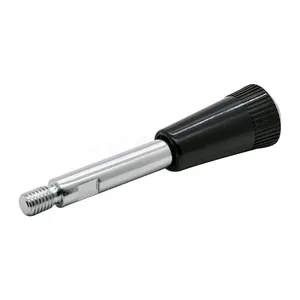
Chrome Finish Fixed Handle with Wrench Flats External Thread Mounting Medical Grade Ergonomic Assembly
Get Catalog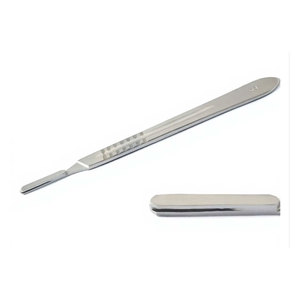
Professional Manual Surgical Scalpel Handle Blades Stainless Steel Medical Dental Dissection Instrument
Get Catalog
Industry Whitepaper • B2B Manufacturing Analysis
The Strategic Advantage of Partnering with Leading China Medical Device Machining Factories
The global medical device contract manufacturing landscape has undergone a monumental shift toward high-precision, multi-axis micro-machining and integrated supply chain agility. As global Original Equipment Manufacturers (OEMs) in orthopedics, spinal trauma, surgical robotics, and life sciences strive to optimize total cost of ownership (TCO) while adhering to stringent regulatory directives (such as EU MDR 2017/745 and US FDA 21 CFR Part 820), top-tier China wholesale medical device machining factories and exporters have stepped into a pivotal leadership role.
By pairing advanced German and Japanese CNC machine tools with localized metallurgical ecosystems and ISO 13485-validated quality management systems, China-based medical manufacturers deliver superior engineering assistance, shortened prototype-to-production cycles, and uncompromising biocompatibility compliance.
Key Procurement Takeaway: Modern medical contract manufacturing is no longer governed by piece-part pricing alone. Value-creation stems from Design for Manufacturability (DFM) optimization, early-stage engineering validation, zero-defect quality control, and seamless international regulatory documentation support.

Engineering & Manufacturing Methodologies
Advanced Machining Disciplines for Sub-Micron Precision
Exhaustive breakdown of advanced subtractive and additive technologies utilized in medical implant and instrument fabrication.
Simultaneous 5-Axis Milling
Enables single-setup machining of highly complex non-spherical geometries, such as femoral knee components, acetabular cups, and complex dental implant bridges. Eliminates cumulative fixture tolerance errors while maintaining surface roughness down to Ra 0.2 µm.
Swiss CNC Lathe Turning
Optimized for long, slender implantable parts like pedicle screws, bone pins, and cannulated surgical shafts. Dual-spindle Swiss automatic lathes execute high-speed operations on titanium Grade 5 (Ti-6Al-4V ELI) with guide bushing precision down to ±0.002mm.
Medical Flute & Thread Grinding
Utilizes multi-axis CNC grinding centers with diamond wheels to generate ultra-sharp cutting edges on surgical drills, reamers, taps, and scalpels using Germany-imported 316LVM and 440C martensitic stainless steels.
Powder-Bed Fusion Additive Manufacturing
Direct Metal Laser Sintering (DMLS) integration for manufacturing porous titanium implants that mirror human trabecular bone structures. Combines additive lattice creation with CNC post-machining of critical mating surfaces.
Electropolishing & ASTM A967 Passivation
Automated ultrasonic chemical cleaning and citric/nitric acid passivation lines remove free iron and contaminants, creating an impermeable passive chromium oxide protective layer vital for patient biological safety.
Silicone Overmolding & Assembly
Specialized cleanroom overmolding for ergonomic surgical instrument handles (such as ratcheting T-handles and torque-limiting couplers), guaranteeing chemical resistance to repeated autoclave sterilization cycles.
Material Science & Technical Capabilities Matrix
Understanding raw material properties is paramount for medical device compliance. Below is our standard manufacturing capabilities matrix for export contract orders:
| Medical Grade Material | Standard Specifications | Typical Machined Components | Achievable Tolerance | Biocompatibility & Surface Treatment |
|---|---|---|---|---|
| Titanium Grade 5 / Grade 23 (ELI) | ASTM F136 / ISO 5832-3 | Spinal pedicle screws, bone plates, trauma implants, dental posts | ±0.002 mm | Type II/III Color Anodization, Citric Passivation, Micro-blasting |
| Stainless Steel 316L / 316LVM | ASTM F138 / ISO 5832-1 | Surgical retractors, cannulated shafts, trial instruments, scalpel handles | ±0.003 mm | Electropolishing, Laser Marking, ASTM A967 Nitric Passivation |
| Martensitic Stainless (420 / 440C / Custom 455) | ASTM F899 | Surgical drills, reamers, osteotomes, bone taps, scissors | ±0.0025 mm | Vacuum Heat Treatment (54-60 HRC), PVD Coating (TiN/DLC) |
| Cobalt-Chromium Alloy (CoCrMo) | ASTM F75 / ASTM F1537 | Total joint replacement implants, femoral heads, dental frameworks | ±0.004 mm | High-Mirror Optical Polishing (Ra < 0.05 µm), Passivation |
| PEEK (Polyetheretherketone) / Radel | ASTM F2026 | Spinal interbody fusion cages, surgical trial handles, sizing blocks | ±0.005 mm | Ultrasonic Solvent Cleaning, Cleanroom Packaging |
Strategic Industry Forecast
Key Procurement Trends Driving Medical Device Sourcing (2025–2030)
Global medical device OEMs are revamping their procurement strategies to cope with supply chain friction, dynamic regulatory environments, and technological shifts. China's top medical device exporters are actively investing in next-generation manufacturing capabilities to maintain their competitive edge. Sourcing managers must evaluate the following key trends when qualifying new machining partners:
1. Rise of Surgical Robotics & Micro-End-Effectors
Robotic-assisted surgery (RAS) requires miniaturized gear trains, ultra-flexible wrists, and dynamic end-effectors machined to sub-micron accuracy. Leading factories are combining Swiss gear-hobbing with micro-EDM to meet these tight geometric requirements.
2. Hybrid Additive-Subtractive Manufacturing
The integration of 3D metal printing for patient-specific implant porous structures followed by precision 5-axis CNC machining of interface features is becoming standard for orthopedic trauma and craniomaxillofacial reconstructive programs.
3. Single-Source Supply Chain Consolidation
OEM procurement teams are shedding piecemeal vendor networks in favor of full turn-key partners who manage raw material procurement, machining, surface finishing, silicone overmolding, cleanroom washing, and sub-assembly under one roof.
4. Automated Quality Control & Digital DHF Traceability
Manual CMM measurements are rapidly giving way to high-speed optical vision systems, laser scanning, and automated digital Data History Files (DHF) attached to each production batch for instant regulatory reporting.
Specialized Application Sectors
Targeted Solutions for Core Medical Specialties
Proven contract manufacturing expertise tailored to the specialized demands of global healthcare verticals.
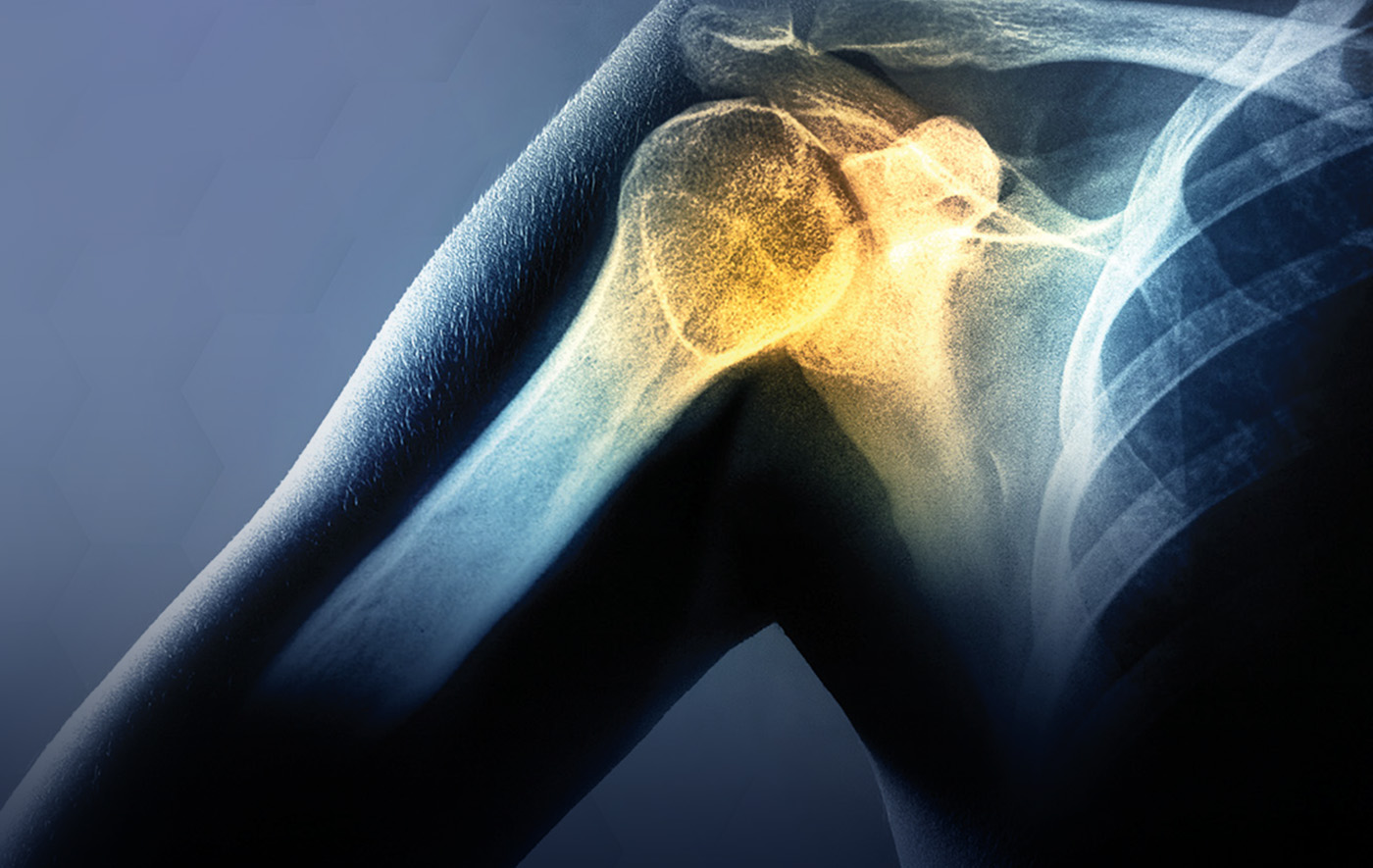
Orthopedics & Spine Trauma
Implants and surgical instrument sets engineered to restore mobility. Range includes spinal plates, mono-axial/poly-axial pedicle screws, rods, minimally invasive tubular retractors, and total hip joint trials.
Get Catalog
Surgical Robotics & Smart Tools
Ultra-precise mechanical components, harmonic drive housings, miniature pulleys, and end-effectors for minimally invasive robotic surgery platforms designed for low backlash and high repeat durability.
Get Catalog
Audit-Ready Reliability
Stringent Quality Management Systems & Traceability Protocol
In medical manufacturing, precision directly impacts patient lives. Our production facility operates under a fully integrated ISO 13485:2016 quality management framework designed to withstand rigorous third-party audits by global notified bodies and customer quality teams.
Every order dispatched from our facility undergoes comprehensive First Article Inspection (FAI) per AS9102 guidelines, 100% optical dimension verification for critical tolerances, and automated coordinate measuring machine (CMM) verification.
- Complete Raw Material Lot Traceability (Mill Test Certificates)
- Validated Bio-burden & Cytotoxicity Cleanroom Cleaning
- Digital Device Master Record (DMR) & Device History File (DHF)
- Non-Destructive Testing (NDT) & Surface Roughness Profilometry
Enterprise Supplier Competencies
Why International Medical Brands Choose Us as Their Primary Exporter
Streamlined contract manufacturing designed to accelerate your market launch while containing production risk.
Early DFM Engineering Assist
Our dedicated engineering team collaborates directly with your R&D department to review 3D CAD files and drawings. By suggesting minor geometry adjustments or standardizing tool paths early, we frequently reduce production cycle times and unit costs by 15% to 30% without sacrificing design intent.
Rapid Prototyping to High-Volume Scale
From initial fast-turn surgeon trial samples within 7–10 working days to full-scale commercial manufacturing runs exceeding tens of thousands of units per month, our flexible cell layout adjusts quickly to your demand fluctuations.
Comprehensive Surface Finishing & Kitting
We eliminate supply chain hand-off risks by managing passivation, anodization, PVD coating, laser etching, custom silicone handle assembly, cleanroom double-bagging, and protective custom foam packaging in-house.
Procurement Knowledge Base
Frequently Asked Questions by OEM Buyer Teams
Direct answers to common technical, quality control, and regulatory questions regarding contract manufacturing in China.
Is your manufacturing facility FDA registered and ISO 13485 certified?
Yes. Our precision medical manufacturing plant operates under a strictly enforced ISO 13485:2016 quality management system and maintains active FDA establishment registration. Official audit documentation, quality manuals, and ISO certificates are available to qualified procurement teams during the supplier qualification process.
What metal and polymer materials do you process for medical export?
We specialize in processing medical-grade biocompatible metals and engineering plastics, including Titanium Grade 5 (Ti-6Al-4V) and Grade 23 (ELI), Stainless Steels (316L, 316LVM, 17-4PH, 420, 440C, Custom 455), Cobalt-Chromium alloys (CoCrMo), PEEK (Polyetheretherketone), Radel (PPSU), and medical silicone overmolding. Full material chemical and mechanical certificates are provided with every batch.
How do you protect customer intellectual property (IP) and proprietary designs?
IP protection is fundamental to our enterprise partnerships. We sign legally binding non-disclosure agreements (NDAs) prior to receiving any 3D models or engineering drawings. Our internal IT network utilizes encrypted server access controls, and customer designs are restricted solely to authorized engineering personnel working on your program.
What documentation is included with exported medical parts?
Every shipment comes with a comprehensive Quality Documentation Package containing: Certificate of Conformance (CoC), Raw Material Mill Test Reports with heat lot traceability, First Article Inspection (FAI) reports per AS9102, CMM dimensional inspection data, Heat Treatment & Passivation Certificates, and Coating Thickness Verification (where applicable).
What are typical lead times for prototypes versus production orders?
Prototype and evaluation samples can typically be machined, finished, inspected, and shipped via express courier within 7 to 14 business days depending on design complexity. Standard volume production lead times range from 4 to 6 weeks following approval of initial samples and PPAP/process validation documentation.
How do we initiate a RFQ (Request for Quotation) with your engineering team?
Starting a program is simple. Click the "Get Catalog" or "Contact Engineer" buttons on this page to open our direct communication channel. Upload your 2D/3D engineering drawings (STEP, IGES, or PDF), specified raw materials, required quantities, and tolerance specifications. Our application engineers will review manufacturability and respond within 24 hours.
Ready to Scale Your Medical Device Manufacturing?
Partner with an audit-ready, FDA-registered China exporter equipped for micron-precision CNC machining, grinding, and assembly.
Get Catalog