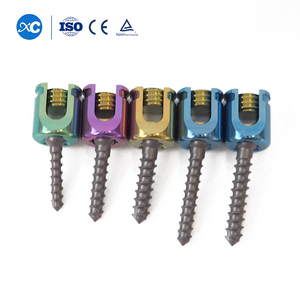
Precision-Machined Surgical Tools & Medical Systems
Explore our core OEM contract manufacturing capabilities, engineered for critical surgical procedures and validated under ISO 13485 quality standards.
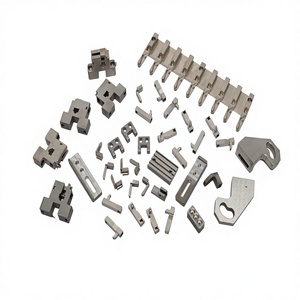
High Speed Precision Micro Machining for Electronic Medical Components Processing Services
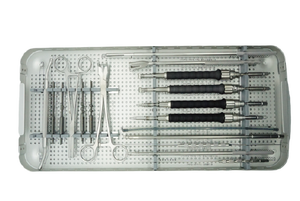
Spinal Medical Orthopedic 5.5 Minimally Invasive Spine System Instruments Orthopedic Surgical Instrument
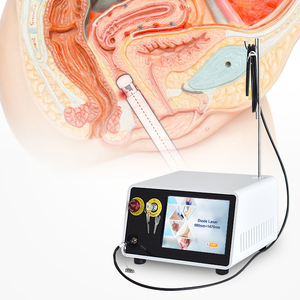
980nm+1470nm Minimally Invasive Laser Gynecology Vaginal Tightening/ Rejuvenation Gynecological Laser Instrument
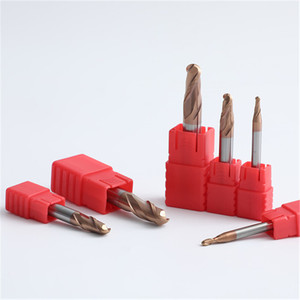
Wholesale Cheap High Quality Ball Endmill Grinder 2 Flute Carbide End Mill
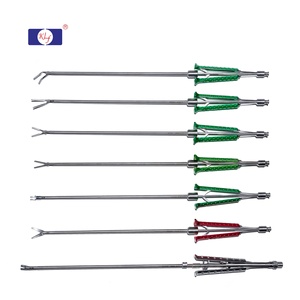
Cardiac Surgery Instruments Set Minimum Invasive Invasive Basis of Surgical Tools
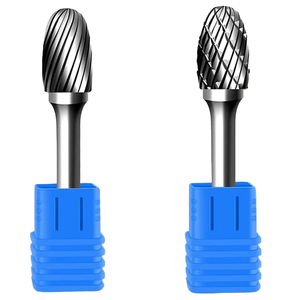
OEM Supported Single-Cut/Double-Cut Cylindrical Shank Tungsten Carbide Rotary Burrs for Grinding Deburring Cutting
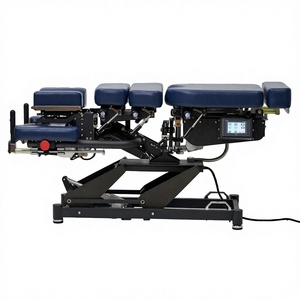
Electric 3D Automatic Swinging and Stretching Integrated Spinal Orthopedic Correction and Massage Equipment
±0.002 mm
Micro-Machining Precision
Achieved via 5-axis CNC & Swiss sliding headstock lathes
ISO 13485
Quality Management
FDA Registered facility compliant with EU MDR 2017/745
100%
Traceability Guarantee
Full raw material mill certifications & lot tracking for DHF files
Class 7
Controlled Cleanroom
Passivation, ultrasonic cleaning, laser marking & sterile packaging
Industry Executive Report: The Evolution of Strategic Surgical Tool Manufacturing in China
The global medical device sector is undergoing an unprecedented shift. Original Equipment Manufacturers (OEMs), clinical distributors, and healthcare hospital networks face intensifying pressures: rapidly accelerating technological cycles, stringent global regulatory overhauls such as the European Union Medical Device Regulation (EU MDR 2017/745), and the imperative for absolute supply chain resilience. Within this landscape, China custom surgical tools manufacturers and suppliers have evolved from low-cost component fabricators into advanced contract manufacturing partners capable of micro-micron tolerances, full product life-cycle validation, and sophisticated co-engineering.
Strategic sourcing in surgical instrumentation requires navigating intricate material science, biostability imperatives, and extreme precision engineering. Modern operating rooms demand surgical tools—ranging from 5.5mm Minimally Invasive Spine (MIS) retractor systems to robotic end-effectors—that deliver zero-failure reliability under repeated autoclave sterilization cycles and high mechanical fatigue.
Key Sourcing Takeaway for Medical OEMs: Contract manufacturing in China is no longer purely about cost reduction. It represents a technical alignment where high-speed multi-axis CNC machining, additive titanium manufacturing, cleanroom finishing, and FDA-registered quality management systems converge to accelerate time-to-market for complex surgical devices.
Core Engineering Disciplines in Medical Tool Contract Manufacturing
To produce surgical-grade tools that meet global regulatory standardizations, top-tier manufacturing hubs utilize four core technical pillars:
5-Axis CNC & Swiss Micro-Machining
Utilizing high-speed CNC Swiss-type sliding headstock lathes for ultra-precise micro components. Perfect for cannula tubes, pedicle screws, bone drills, and intricate joint articulations holding tolerances under ±0.002mm.
Specialized Medical Grinding
High-precision flute grinding, drill-point profile grinding, and thread grinding for stainless steel cutters, reamers, burs, and orthopedic taps where surface roughness (Ra) must stay below 0.2 μm.
Metal Additive Manufacturing (3D Printing)
Direct Metal Laser Sintering (DMLS) using medical-grade Titanium (Ti-6Al-4V ELI) powder-bed fusion. Enables trabecular porous structures for rapid osseointegration in spinal fusion implants and acetabular cups.
Future Procurement Trends in Global Surgical Instrumentation (2025–2030)
Procurement directors and engineering teams evaluating international wholesale suppliers must align their supply chain with three major macro trends shaping the surgical tool market:
1. Transition Toward Minimally Invasive Surgery (MIS) & Micro Instrumentation
Open surgical procedures are increasingly replaced by minimally invasive techniques to reduce patient recovery time and infection risks. Sourcing specifications have shifted heavily toward small-caliber, high-strength instruments: 3.5mm to 5.5mm cannulated systems, flexible end-effectors, and nitinol-based shape memory components. Manufacturers must possess advanced laser welding, micro-deburring, and electro-polishing capabilities to handle miniaturized geometries without compromising structural integrity.
2. Rapid Growth of Robotic-Assisted Surgery (RAS) End-Effectors
Surgical robotics platforms require custom mechanical interfaces, zero-backlash gearing, torque-limiting silicone handles, and specialized quick-disconnect couplings. Sourcing partners must deliver components with extreme batch-to-batch repeatability to ensure smooth calibration with robotic sensors and drive mechanisms.
3. Advanced Bio-Compatible Materials & Surface Coatings
Traditional stainless steels (316L, 17-4PH, 420) are increasingly supplemented by exotic alloys and engineered polymers. Surgical tool specifications frequently mandate:
- ASTM F136 Titanium (Ti-6Al-4V ELI): Superior strength-to-weight ratio and MRI compatibility.
- PEEK (Polyetheretherketone): Radiolucent properties for intraoperative fluoroscopy clarity.
- PVD & DLC Coatings: Physical Vapor Deposition and Diamond-Like Carbon coatings to increase surface hardness, lower friction coefficients, and provide glare-reducing matte black aesthetics for microscopic surgeries.
Material Selection & Technical Capabilities Matrix
| Material / Standard | Primary Application | Key Engineering Advantages | Surface Finishing Options |
|---|---|---|---|
| Titanium Grade 5 (Ti-6Al-4V ELI) | Spinal Screws, Plates, Implants | High Biocompatibility, MRI Safe, Fatigue Strength | Color Anodizing, Citric Passivation, Micro-Blasting |
| 17-4PH Stainless Steel | Surgical Handles, Drivers, Couplings | High Hardness, Corrosion Resistance, High Wear Life | Electropolishing, Nitric Passivation, Laser Marking |
| Tungsten Carbide | Rotary Burs, Cutters, Deburring Tools | Extreme Hardness, Sharp Edge Retention | PVD Coating (TiN, AlTiN), Diamond Grinding |
| Medical PEEK / Carbon PEEK | Spinal Cages, Trial Implants, Reusable Guides | Radiolucent, Autoclavable, Low Specific Weight | Precision CNC Milling, Smooth Mechanical Polish |
Contract Manufacturing Quality Assurance & Compliance Protocols
For medical OEMs, supplier qualification hinges on proof of rigorous quality systems. A dependable Chinese custom surgical tools supplier operates an integrated quality control pipeline structured around global regulatory frameworks:
1. Material Certification & Melt Source Verification: Every batch of raw titanium or stainless bar stock enters production accompanied by complete chemical composition analysis and physical property test certificates conforming to ASTM/ISO standards.
2. In-Process Optical & Laser Metrology: Machining centers utilize automatic optical inspection (AOI), laser measuring units, and coordinate measuring machines (CMM) capable of sub-micron verification to track dimension stability across high-volume runs.
3. Cleanroom Passivation & Packaging: Ultrasonic cleaning lines remove machining oils, followed by controlled chemical passivation (ASTM A967 compliant) to rebuild the chromium oxide passive layer, preventing oxidation during storage and autoclave cycles.
Need Custom OEM Manufacturing for Your Medical Line?
Collaborate directly with our engineering team for DFM (Design for Manufacturability) analysis, rapid prototyping, and scalable ISO 13485 contract production.
Why Global OEMs Partner With Our Manufacturing Facilities
Combining world-class precision engineering, cost-effective production, and rigorous risk management for seamless supply chains.
Full DFM & Engineering Support
Our senior biomedical engineers evaluate your STEP files, tolerances, and material callouts to optimize production speeds and lower manufacturing costs prior to tooling production.
Rapid Prototyping to Mass Production
Transition seamlessly from initial prototype iterations (3-7 days turnaround) into fully validated high-volume automated manufacturing runs with lot-to-lot consistency.
Complete Regulatory Documentation Support
Deliverables include First Article Inspection Reports (FAIR), Material Certifications, Certificate of Conformance (CoC), and IQ/OQ/PQ process validation to simplify your DHF files.
Frequently Asked Questions for Medical Tool Procurement
Clarifying technical compliance, custom branding, regulatory validation, and shipping workflows for OEM buyers.
What quality certifications do your surgical tool manufacturing facilities hold?
Our state-of-the-art manufacturing facilities are ISO 13485 certified for medical device contract manufacturing and registered with the US FDA. We adhere strictly to Good Manufacturing Practices (GMP) and supply full lot traceability records to support CE marking under EU MDR (2017/745) and 510(k) regulatory submissions.
Can you manufacture custom surgical tools based on proprietary CAD models?
Yes. We specialize in custom OEM/ODM manufacturing. Global medical buyers can provide 3D CAD files (STEP, IGES, SolidWorks) along with 2D technical drawings specifying tolerances and surface finishes. Our engineering team conducts a thorough Design for Manufacturability (DFM) assessment before beginning prototype fabrication.
What surface treatment and finishing capabilities are performed in-house?
We provide a complete suite of finishing services in controlled cleanroom environments, including ultrasonic cleaning, chemical passivation (citric and nitric per ASTM A967), electropolishing, titanium color anodizing, laser marking (UDI barcodes and part numbers), PVD/DLC coating, and micro-bead blasting.
What are your typical lead times for prototypes vs. bulk wholesale production?
Rapid prototyping for initial surgical tool trials typically takes 7 to 14 business days depending on geometric complexity and material availability. Standard bulk production lead times for validated orders range from 4 to 6 weeks, with expedited emergency delivery options available for established OEM programs.
How do you ensure intellectual property (IP) protection for custom designs?
We prioritize strict intellectual property security. Prior to reviewing any technical drawings or project specifications, we execute legally binding Non-Disclosure Agreements (NDAs). Internal data access is restricted exclusively to the designated project engineering team.
Partner with China's Premier Custom Surgical Tools Manufacturer
Streamline your medical supply chain, reduce production costs, and maintain zero-defect quality control. Contact our technical team today to request product catalogs, samples, or custom quotes.