High-Precision Robotic & Orthopedic Surgical Components
Manufactured under ISO 13485 and FDA registered quality management systems with full lot traceability, material certification, and micron-level optical inspection.

The Evolving Paradigm of China's Robotic Surgical Parts Export
The global robotic surgery landscape is undergoing a systemic transition toward micro-articulated instruments, multi-degree-of-freedom (DoF) wrist systems, and high-frequency tactile feedback mechanisms. As medical OEMs in North America, Europe, and Asia-Pacific push the boundaries of Minimally Invasive Surgery (MIS), sourcing components capable of maintaining zero-backlash tolerances across millions of operational cycles has become a strategic priority. Within this context, China has evolved from a high-volume manufacturing center into a premier hub for complex high-precision contract manufacturing, establishing itself as the leading source for robotic surgical parts exporters worldwide.
Contract manufacturing for robotic-assisted surgical systems requires an integrated synergy of advanced Swiss-type lathe turning, 5-axis simultaneous CNC milling, specialized micro-grinding, bio-compatible LSR (Liquid Silicone Rubber) overmolding, and validated cleanroom assembly. Leading Chinese medical exporters maintain full alignment with international regulatory frameworks, supporting global Original Equipment Manufacturers (OEMs) through comprehensive Design for Manufacturability (DFM) input, preliminary prototyping, process validation protocols (IQ/OQ/PQ), and complete Design History File (DHF) documentation.
Robotic Surgical Component Metallurgy & Precision Subsystems
The mechanical architecture of modern surgical robots relies on specialized components divided into critical sub-assemblies. Each category poses unique manufacturing challenges that demand rigorous process controls:
End-Effector Wrist Components
Micro-machined pulleys, cleats, and distal clevis joints engineered for 7-DoF articulation. Manufactured using Swiss CNC turning from 17-4PH or Custom 465 stainless steel to handle high tensile loads without torsional flex.
Robotic Cutting & Drilling Tools
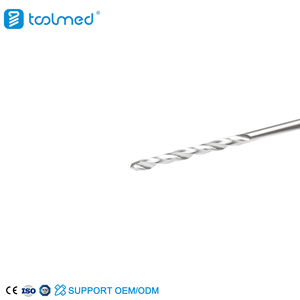
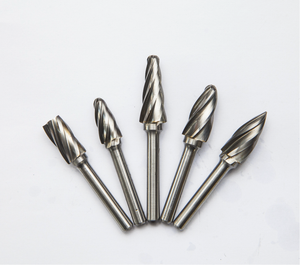
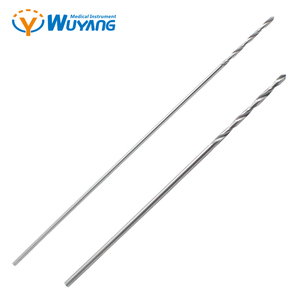
High-precision flute ground bone drill bits, micro-reamers, and carbide burrs with custom AlTiN or diamond-like coatings (DLC) designed to eliminate thermal necrosis during bone resection.
Silicone Overmolded Drives & Handles
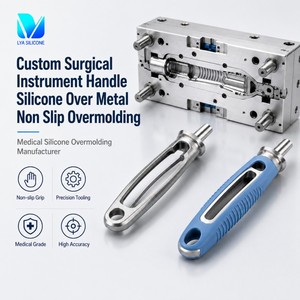
Ergonomic, non-slip surgical tool handles utilizing liquid silicone rubber (LSR) overmolded onto CNC-machined titanium shafts for torque-limiting and ratcheting surgical interfaces.
Additive Porous Implants
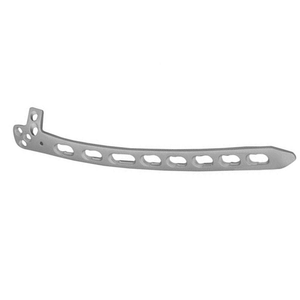
Powder-bed fusion (PBF) 3D-printed titanium structures producing bio-mimetic lattice geometries for optimal osseointegration in orthopedic and spinal reconstruction.
Haptic & Motion Transfer Shafts
Ultra-straight, thin-walled driveshafts milled with internal keyways and splines, ensuring minimal frictional drag and true tactile haptic feedback to surgeon control consoles.
Sterile Scalpel & Cutting Edge Assemblies
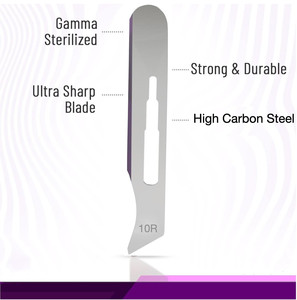
High-carbon and martensitic stainless steel blades ground to sub-micron sharp radii, ensuring clean surgical margins in soft-tissue procedures.
Material Selection & Process Matrix for Surgical Robotics
Selecting the appropriate alloy and surface treatment is essential to preventing fretting wear, biocorrosion, and mechanical fatigue in robotic surgical tools:
| Material / Alloy | Mechanical Properties | Primary Surgical Application | Processing Technique | Validation Standard |
|---|---|---|---|---|
| Titanium Grade 5 (Ti-6Al-4V ELI) | High strength-to-weight ratio, high fatigue endurance, bio-inert. | Robotic end-effector arms, structural housings, bone anchors. | 5-Axis CNC Milling, Wire EDM, Laser Marking. | ASTM F136 / ISO 5832-3 |
| 17-4PH Stainless Steel (Condition H900) | High yield strength, excellent corrosion resistance, high hardness. | Articulating wrist links, drive gears, clevis joints, hinges. | Swiss Lathe Turning, Passivation, Heat Treatment. | ASTM A564 / ISO 16061 |
| Medical Grade LSR Silicone | Biocompatible Class VI, heat resistant, chemical sterilisable. | Torque-limiting tool handles, seals, soft tactile grips. | Cleanroom Injection Overmolding. | ISO 10993 / USP Class VI |
| Tungsten Carbide (AlTiN Coated) | Extreme hardness, low thermal expansion, micro-edge retention. | Robotic face mills, surgical burrs, high-speed drills. | Sub-Micron CNC Flute Grinding. | ISO 20112 / ISO 683 |
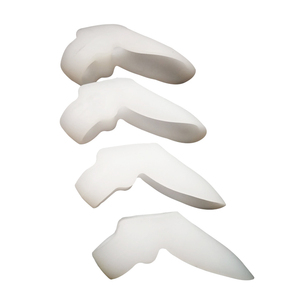
| PEEK (Polyetheretherketone) | Radiolucent, high chemical resistance, modulus matching bone. | Insulating bushings, robot wrist isolators, spinal trial spacers. | Precision Micro-Machining, Clean Annealing. | ASTM F2026 |
2025–2030 Global Sourcing Trends in Surgical Robotics Sourcing
Global procurement directors managing medical device supply chains face increasing challenges: rising regulatory strictness (EU MDR, US FDA 21 CFR Part 820), shorter product redesign cycles, and the demand for rapid scalability. China's top robotic surgical component exporters are responding by re-engineering their operational capabilities:
1. Single-Source Vertical Integration
Global OEMs are moving away from fragmented supply chains. Leading Chinese manufacturers now consolidate raw material procurement, 5-axis machining, precision micro-grinding, passivation, laser marking, and cleanroom packaging under one ISO 13485 quality system.
2. Hybrid Additive & Subtractive Manufacturing
Combining Powder-Bed Fusion (PBF) 3D printing for complex porous lattice geometries with high-speed 5-axis CNC finishing allows for unprecedented custom implants and lightweight robotic end-effectors.
3. Automated 100% In-Line Inspection
Replacing traditional batch sampling with automated optical CMMs, laser micrometers, and vision inspection systems guarantees zero-defect shipments for critical high-risk surgical instruments.
4. Sustainable Clean Production
Closed-loop ultrasonic cleaning, citric-acid passivation replacing hazardous nitric baths, and energy-efficient CNC machining centers meet the stringent environmental and ESG targets set by international healthcare consortia.
Technological Advancements in Surgical Robotics Components
As surgical robots move from rigid, multi-port architectures toward single-port, flexible catheter-based, and autonomous micro-robotic platforms, component engineering must evolve rapidly. Current key technological developments include:
- Micro-Wrist Miniaturization: Transitioning from 10 mm and 8 mm robotic wrists to sub-5 mm outer diameters, requiring micro-turned components with feature sizes under 100 microns.
- Smart Instrumented End-Effectors: Integrating micro-channels into CNC-machined titanium bodies to accommodate fiber-optic strain gauges and sensor wires for real-time tissue force feedback.
- Advanced Surface Coatings: Expanding the application of Titanium Nitride (TiN), Diamond-Like Carbon (DLC), and hydrophobic coatings to reduce friction, minimize tissue adhesion, and eliminate reflection under high-definition laparoscopic cameras.
- Custom Silicone Instrument Handles: Overmolding medical-grade LSR with specific shore A hardness profiles onto stainless steel ratcheting mechanisms, optimizing surgeon ergonomics during manual-assisted robotic dockings.

Unmatched Precision & Regulatory Rigor
As an FDA-registered and ISO 13485-certified contract manufacturer, Greyack Medical serves as a trusted development and production partner for world-leading medical device OEMs. Our manufacturing plant combines high-speed Swiss-type turning, 5-axis CNC machining, micro flute grinding, additive manufacturing, and sterile packaging.
Whether translating complex 3D CAD models into functional prototypes or scaling up to high-volume commercial runs, our engineering team delivers rigorous process validation (PPAP, IQ/OQ/PQ), strict lot traceability, and low risk for global medical component export.
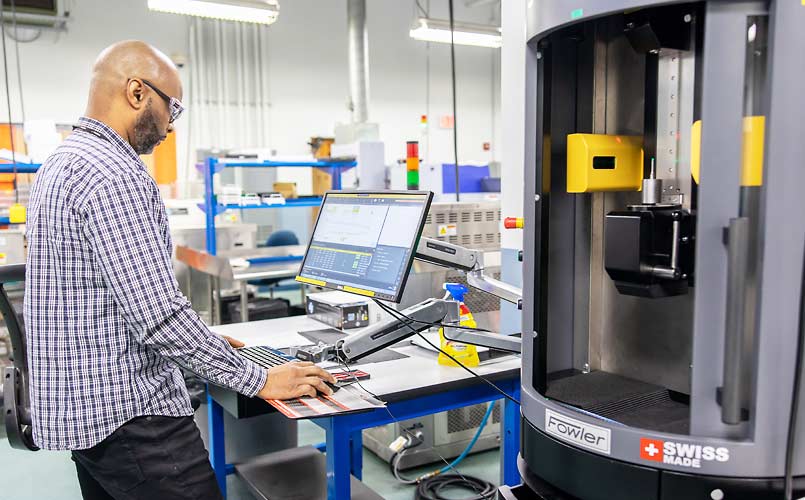
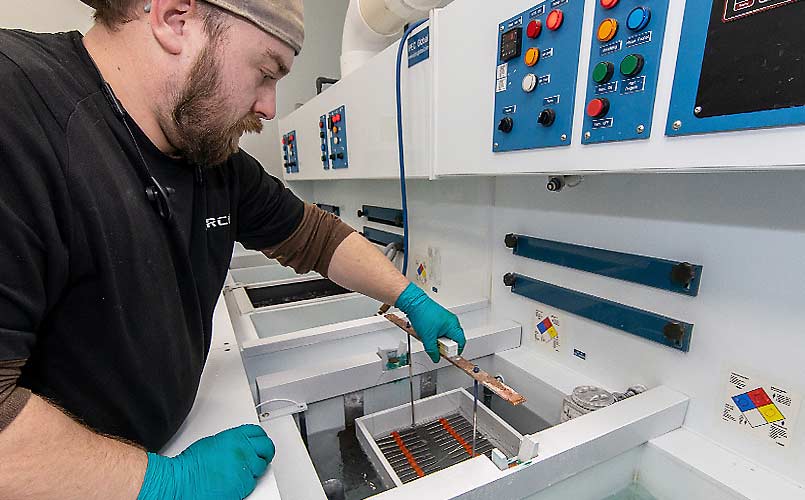
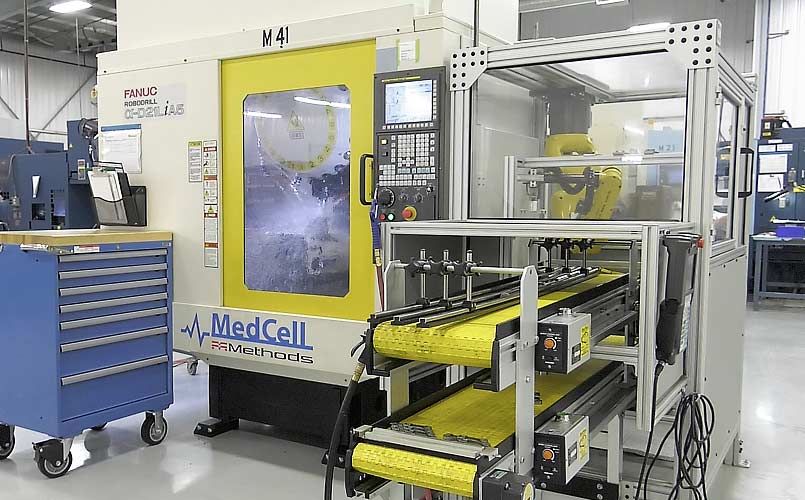
State-of-the-Art Production & Quality Control Units
Frequently Asked Questions by OEM Procurement Teams
Comprehensive answers regarding international regulatory standards, precision limits, engineering validation, and supply chain logistics.
Is your facility FDA registered and ISO 13485 certified for surgical robotics manufacturing?
What are the absolute micro-machining tolerances your facility can achieve for surgical parts?
Can you manufacture components using biocompatible grade polymers like PEEK and silicone overmolding?
What documentation and quality verification are supplied with exported surgical shipments?
How do international OEMs initiate custom prototyping and process validation programs?
What measures are taken to ensure intellectual property (IP) security during export collaboration?
Partner with China's Premier Robotic Surgical Parts Exporter
Elevate your medical device program with micron-precision machining, certified cleanroom passivation, and validated ISO 13485 quality control.