Featured Medical OEM Components & Custom Surgical Tooling
Precision-machined implants, ergonomic surgical instruments, and medical-grade materials validated for critical clinical applications.
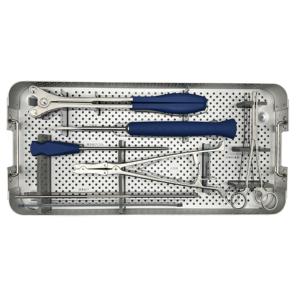
Spinal Medical Orthopedic Posterior Spinal Lnter-fixation System PSS Instruments Orthopedic Surgical Instrument
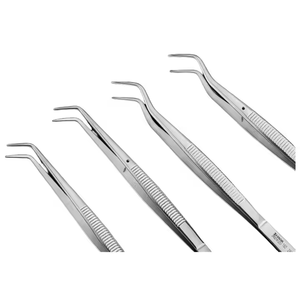
Dental Surgical Forceps Set Dental Orthodontic of the Dental Tweezers for Dental Surgical Instruments
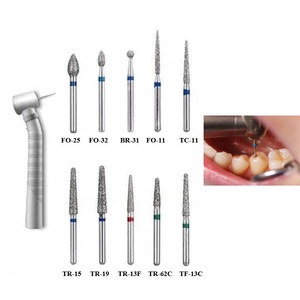
Hight Speed Handpiece FG Burs High Quality Dental Diamond Burs For Endodonic
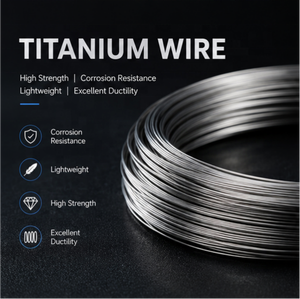
Medical Grade GR1 GR2 Titanium Wire ASTM F67 F136 0.15-8mm Biocompatible for Implant Surgical Applications OEM
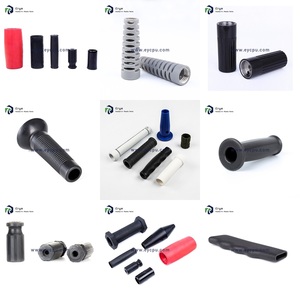
Rubber Products Manufacturer OEM Custom High-Quality Silicone Rubber Handle Covers Handle Grip
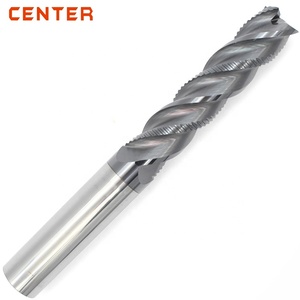
CENTER 4 Flute Roughing End Mill
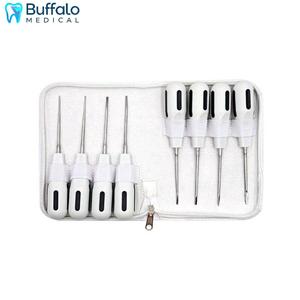
Buffalo High End Dental Surgical Elevator Kit 8pcs Stainless Steel Tooth Extraction Root Elevation Instruments
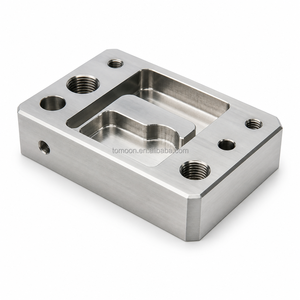
OEM CNC Turning Milling Stainless Steel 316L Medical Device Parts Electropolishing Manufacturer
Executive Summary: The Evolving Paradigm of Medical Contract Manufacturing in China
The global medical device landscape is undergoing an unprecedented structural transition. Original Equipment Manufacturers (OEMs) specializing in orthopedics, spinal reconstruction, dental implantology, and surgical robotics face compound pressure: tight regulatory mandates (such as US FDA 21 CFR Part 820 and EU MDR 2017/745), escalating bill-of-materials costs, and accelerating development timelines for next-generation surgical technologies. To navigate these dynamics, global medical procurement directors and VP-level supply chain executives are increasingly moving beyond transactional vendor models toward strategic, fully integrated contract manufacturing partnerships.
China has firmly established itself as a global epicenter for advanced medical contract manufacturing. Moving far past low-cost assembly, premier Chinese medical manufacturing facilities now operate state-of-the-art Swiss-type 10-axis CNC machining cells, direct-metal laser sintering (DMLS) additive manufacturing centers, sub-micron precision flute and thread grinding infrastructure, and automated electropolishing lines. Backed by rigorous ISO 13485:2016 quality management systems and FDA establishment registrations, these advanced factories deliver full Design for Manufacturability (DFM) input, process validation (IQ/OQ/PQ), and complete traceability required for tier-one regulatory filings.
Core Enterprise Capabilities & Technical Advantages
Integrating end-to-end precision machining, surface finishing, and quality assurance under a single audit-ready quality system.
High-Precision Multi-Axis CNC Machining
Utilizing high-speed 5-axis milling and Swiss-type multi-turret lathe centers, holding tolerances as tight as ±0.002 mm. Specialized in complex orthopedic bone plates, cannulated spinal screws, and tight-tolerance robotic end-effectors using implant-grade Titanium (ASTM F136 / Grade 5 ELI, ASTM F67 Grade 1/2) and Stainless Steel 316L/440C.
Medical Additive Manufacturing (3D Printing)
Deploying advanced Powder-Bed Fusion (PBF) and Selective Laser Melting (SLM) for titanium acetabular cups and interbody spinal cages. Engineered to produce biomimetic porous lattice structures that promote rapid osseointegration, bypassing the geometric constraints of traditional subtractive machining.
Medical Grinding & Rotary Tooling
Dedicated high-precision CNC flute grinding, drill-point shaping, and specialized thread grinding. We supply surgical drills, taps, reamers, end mills, and high-speed dental diamond burs with optimized edge retention, high corrosion resistance, and burr-free microscopic cutting edges.
Controlled Surface Finishing & Passivation
In-house validated chemical passivation (Citric and Nitric ASTM A967 protocols), electropolishing per ASTM B912, anodizing Type II/III, and micro-blasting. Guarantees free-iron removal, enhanced oxide layer integrity, and bio-inertness across all metallic clinical contact surfaces.
Regulatory Compliance & Traceable Quality
Full Design History File (DHF) integration, Device Master Record (DMR) support, and complete material certification (MTR) down to original melt lots. 100% inspection using CMM coordinate measuring machines, optical comparators, and laser micrometers.
Silicone Overmolding & Custom Tool Grips
Specialized liquid silicone rubber (LSR) overmolding for surgical instrument handles. Delivers ergonomic slip resistance, color-coded surgical tray classification, and durability through repeated high-temperature autoclave sterilization cycles.
Medical OEM Material Selection & Engineering Standards Matrix
Selecting the optimal material specification is critical to achieving bio-compatibility, fatigue strength, and radiolucency across orthopedic, dental, and robotic surgical devices. The matrix below outlines standard medical-grade alloys and polymers processed in our certified facilities:
| Material Standard | Material Category | Key Mechanical Properties | Target Clinical Applications | Manufacturing Processes |
|---|---|---|---|---|
| ASTM F136 | Ti-6Al-4V ELI (Titanium Grade 5) | Ultra-high fatigue strength, low modulus, superior biocompatibility | Spinal pedicle screws, trauma plates, joint implants, dental abutments | Swiss CNC turning, 5-Axis Milling, Wire EDM |
| ASTM F67 | Unalloyed Titanium (Grades 1-4) | Excellent ductility, superb corrosion resistance, biological inertness | Maxillofacial plates, vascular clips, dental wire implants | Micro-machining, precision wire drawing, stamping |
| ASTM F138 / 316L | Surgical Stainless Steel | High tensile yield, exceptional structural rigidity, cost-efficiency | Surgical forceps, elevators, spinal rods, reamer shafts | CNC Milling, Flute Grinding, Electropolishing |
| ASTM F899 | Martensitic Stainless (420/440C) | High hardness upon heat treatment, keen cutting edge retention | Roughing end mills, osteotomes, burs, tissue cutters | Precision grinding, vacuum heat treatment, passivating |
| ISO 10993 Silicone | Medical-Grade LSR / HCR Silicone | Autoclave-safe (270°F/132°C), non-slip tactile ergonomics | Surgical handle covers, torque-limiting handles, ratcheting grips | Transfer molding, Liquid Silicone Injection |
Product Development Trends Shaping Next-Gen Medical Devices
To retain market leadership, global medical device manufacturers must align product pipelines with technological advancements in clinical procedures. Three core engineering trends dominate current OEM development requests:
1. Micro-Machining for Minimally Invasive Surgery (MIS) & Surgical Robotics
As surgical techniques move toward smaller incisions and robotic assistance (such as laparo-endoscopic single-site surgery), component scale continues to shrink while tolerance bands tighten. Precision micro-turning for robotic wrist components, cable pulleys, and micro-grippers requires specialized Swiss CNC tooling capable of maintaining dimensional integrity under 50x optical magnification. Manufacturers in China have invested heavily in temperature-controlled clean machining environments to prevent thermal expansion variance during long production runs of sub-millimeter parts.
2. Biomimetic Additive Manufacturing & Hybrid Production
Traditional subtractive machining cannot create porous, stochastic structures that mimic human trabecular bone. Modern medical contract manufacturing combines additive manufacturing (to print porous bone-ingrowth surfaces directly onto structural implants) with secondary multi-axis CNC finishing (to machine high-precision thread connections and mating surfaces). This hybrid workflow drastically reduces component weight, enhances implant longevity, and eliminates the risk of coating delamination associated with plasma-sprayed coatings.
3. Advanced Ergonomics & Smart Instrument Assemblies
Surgeon fatigue is directly linked to surgical duration and tool handling efficiency. Next-generation hand instruments integrate dual-durometer silicone rubber overmolding, torque-limiting ratcheting mechanisms, and quick-connect couplings. Furthermore, instrument shafts are increasingly featuring laser-etched matrix barcodes for automated sterile processing workflow tracking in hospitals.
Strategic Sourcing Trends for Global Procurement Teams
Procurement strategies in the medical device sector have shifted from "lowest unit cost" to Total Cost of Ownership (TCO) and Risk Mitigation. OEM buyers are actively consolidating vendor bases, migrating away from piecemeal supply chains (where machining, heat treatment, grinding, and passivation are fragmented across multiple shops) toward single-source contract manufacturers equipped with fully validated internal workflows. Key benefits include:
- Compressed Time-to-Market: Eliminating inter-vendor transport cuts prototype iteration cycles by up to 60%.
- Unified Quality Accountability: Single ISO 13485 oversight prevents regulatory finger-pointing during supplier audits.
- Supply Chain Resilience: Buffer stock agreements, raw material pre-qualification, and dual-facility redundancy protect against global logistics disruptions.
Accelerate Your Medical Device Development
Partner with an FDA-registered, ISO 13485 certified Chinese contract manufacturer. Upload your 2D/3D CAD models for an instant DFM analysis and technical quote.
Frequently Asked Purchasing & Engineering Questions (FAQ)
Addressing core technical, quality assurance, and supply chain queries from international OEM procurement teams.
Step-by-Step Strategic OEM Sourcing Workflow
Engaging with a leading Chinese medical contract manufacturer requires a structured engineering exchange to ensure seamless execution from prototype to mass production:
- Initial Technical CAD Exchange: Submit native 3D models (STEP/IGES) alongside detailed 2D engineering drawings indicating critical GD&T tolerances, material specs, and surface roughness requirements ($Ra$).
- DFM & Cost Optimization Review: Our engineering team conducts a thorough Design for Manufacturability review, recommending radius adjustments, tool path optimizations, or material grade alternatives to reduce unit cost without compromising performance.
- Prototype & Validation Protocol Setup: Fabrication of initial prototype batch accompanied by First Article Inspection Reports (FAIR) and draft process validation protocols (IQ/OQ/PQ).
- Pilot Production & Clinical Trial Lots: Execution of pilot runs in controlled cleanroom environments to validate repeatability, batch uniformity, and sterilizer compatibility.
- Full-Scale Production & VMI Logistics: Scaled mass production with custom packaging options, inventory buffer management (Vendor-Managed Inventory / VMI), and scheduled global air/sea dispatch.