Featured Medical & Surgical Tool Engineering Products
Precision-ground OEM components and specialty tooling built to rigorous international healthcare standards
1. Executive Overview: The Engineering Paradigm of Medical Tool Grinding in China
In modern surgical intervention, clinical efficacy and patient outcomes are directly governed by the physical perfection of the surgical instrument cutting geometry. From orthopedic cranial drills and spinal reamers to micro-scalpel blades and end-effectors for robotic surgery, the requirements for dimensional accuracy, edge integrity, surface micro-roughness (Ra < 0.1 μm), and biocompatibility have reached unprecedented levels. As global original equipment manufacturers (OEMs) seek resilient, high-capability manufacturing partnerships, China has evolved from a high-volume manufacturing center into an advanced hub for high-precision contract engineering, specialized grinding, and micro-machining.
This technical whitepaper provides medical device sourcing executives, lead manufacturing engineers, and regulatory compliance teams with an in-depth analysis of high-precision medical tool grinding. It explores metallurgical parameters, multi-axis CNC grinding kinematics, super-abrasive wheel science, surface passivation protocols, and strategic procurement frameworks required to navigate qualified global supply chains.
1.1 Metallurgical Dynamics & Advanced Biomaterial Machinability
Medical tool grinding requires balancing the mechanical strength of specialized biomaterials with thermal integrity during high-speed grinding. The primary material classes utilized across orthopedic, dental, and general surgical tooling include:
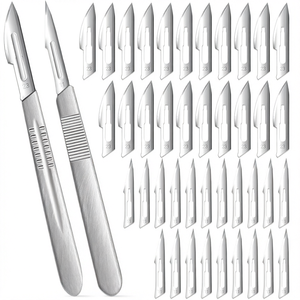
- Martensitic Stainless Steels (e.g., AISI 420, 440C, Custom 455): Preferred for surgical blades, scalpels, and osteotomes requiring extreme hardness (55–60 HRC) and sharp edge retention. Precision flute grinding must prevent thermal micro-cracking and localized phase transformations.
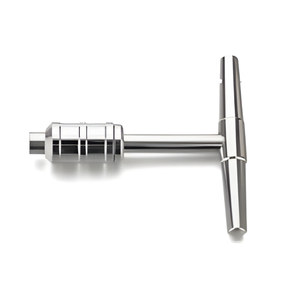
- Precipitation-Hardening Alloys (17-4PH, 15-5PH): Widely specified for AO quick-coupling surgical handles, external fixation pin drivers, and structural instrument shafts due to their combination of yield strength and corrosion resistance.
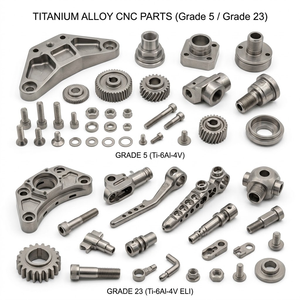
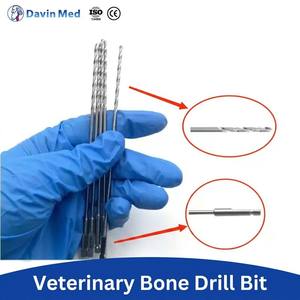
- Titanium Alloys (Ti-6Al-4V Grade 5 & Grade 23 ELI): Crucial for orthopedic bone drills, screws, and dental implant insertion drivers. Titanium’s low thermal conductivity and elastic modulus demand optimized wheel lubrication and high-pressure coolant wash to prevent wheel loading and burn.
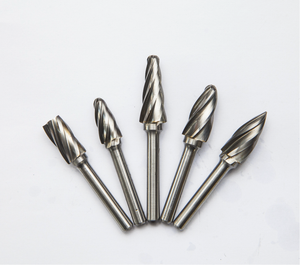
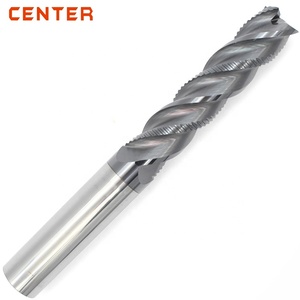
- Fine-Grain Tungsten Carbide (Sub-micron Grain < 0.5 μm): Utilized in high-speed surgical burs, dental cutters, and 4-flute face mills. Carbide grinding demands resin-bonded diamond (PCD/CBN) wheels with dynamic balancing to ensure burr-free edges under optical inspection.
| Material Specification | Typical Application | Grinding Difficulty | Target Surface Finish (Ra) | Critical Quality Attribute |
|---|---|---|---|---|
| Medical Ti-6Al-4V ELI (Grade 23) | Orthopedic Drills & Implants | Very High (Thermal Retention) | < 0.2 μm | Zero Alpha-Case, No Micro-burrs |
| Stainless Steel 440C / 420 | Surgical Scalpels & Scissors | Moderate to High | < 0.1 μm | Edge Radius < 2 μm, Clean Cutting Edge |
| Sub-Micron Tungsten Carbide | High-Speed Surgical Burs & Mills | High (Chipping Risk) | < 0.15 μm | Flute Concentricity < 0.002 mm |
| 17-4PH Stainless Steel | AO Coupling Handles & Torque Tools | Moderate | < 0.4 μm | Torsional Fatigue Resistance |
1.2 Multi-Axis CNC Kinematics & Super-Abrasive Wheel Technology
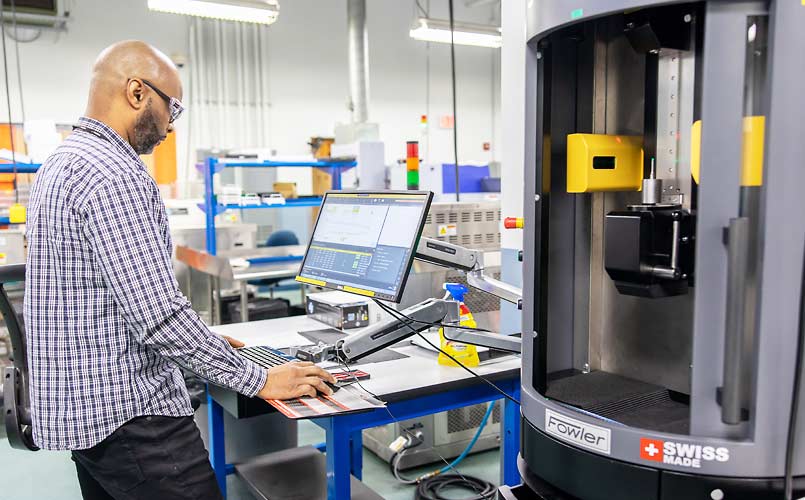
Achieving sub-micron accuracy on complex tool profiles—such as step-drills, variable helix reamers, and double diamond-cut dental burs—depends on 5-axis and 6-axis CNC tool grinding centers equipped with high-resolution direct-drive encoders and integrated optical probes. China’s premier medical tool grinding facilities utilize state-of-the-art kinematics that control wheel-to-workpiece contact zone temperature and hydrodynamic lubrication.
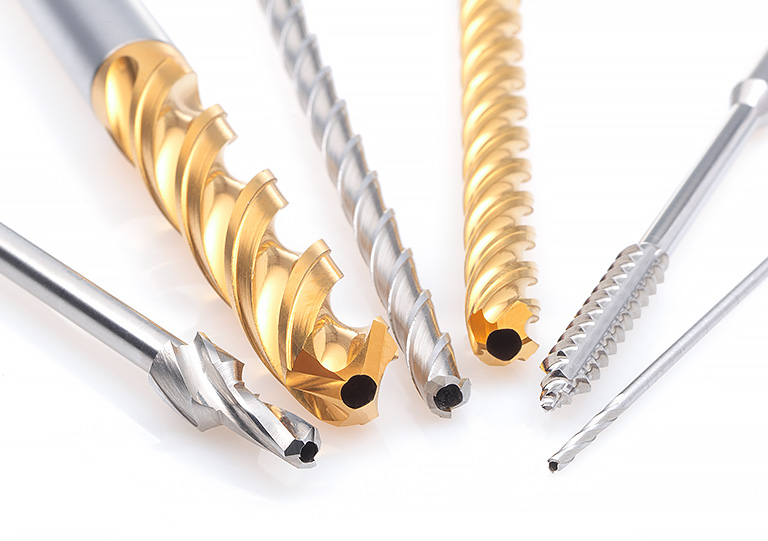
Super-abrasive selection plays a decisive role in edge stability:
- Cubic Boron Nitride (CBN) Wheels: Used for ferrous medical alloys (400-series stainless, 17-4PH). CBN maintains edge form stability over long grinding cycles, limiting heat transfer to the cutting tip.
- Poly-Crystalline Diamond (PCD) & Synthetic Diamond Wheels: Applied to tungsten carbide and ceramic materials to produce clean flute profiles with no microscopic chipping along the primary cutting relief.
- High-Pressure Chilled Coolant Hydrodynamics: Coolant delivered at pressures up to 15-20 bar directly into the grinding nip removes swarf instantly, suppressing thermal oxidation and preserving metallurgical structure.
2. OEM Contract Manufacturing Capabilities & Factory Advantages
As an FDA-registered and ISO 13485-certified contract manufacturing partner, our facilities integrate precision grinding, Swiss CNC turning, wire EDM, mirror polishing, and cleanroom assembly under a unified Quality Management System (QMS). OEMs leveraging our specialized supply network gain access to vertical manufacturing capabilities designed for rapid scalability and absolute batch-to-batch repeatability.
5-Axis CNC Flute & Thread Grinding
Advanced CNC grinding machinery capable of holding profile tolerances of ±0.001mm on complex surgical drills, taps, reamers, and custom-shaped burrs with controlled surface finishes.
Swiss Multi-Axis CNC Turning
High-precision Swiss-type turning centers configured with live tooling for complex orthopedic implants, bone screws, handles, and miniature couplings engineered from Grade 23 Titanium and 316LVM.
Full Validation & Passivation
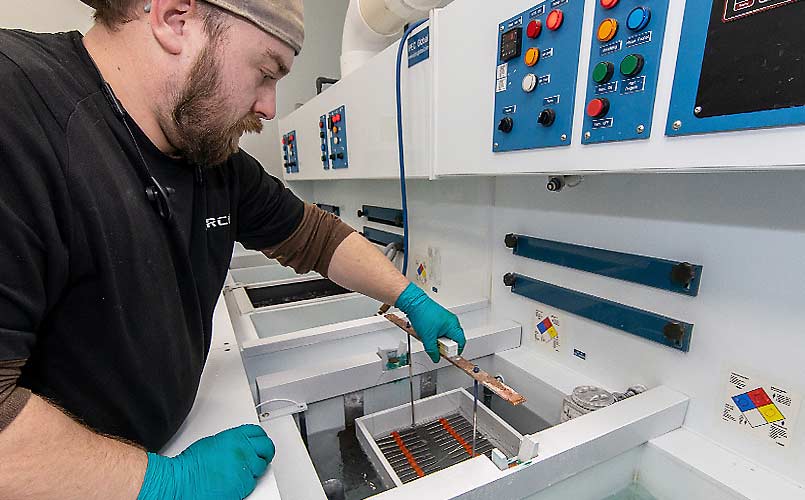
Integrated cleaning, automated laser marking, mirror polishing, and chemical passivation adhering to ASTM A967/A380 standards, complete with full citric/nitric line verification reports.
Additive & Hybrid Manufacturing
Combining powder-bed fusion 3D printing for porous bone-ingrowth structures with secondary high-precision grinding and CNC finishing for joint restoration and spinal systems.
Our operational architecture guarantees strict quality controls: 100% optical profile verification using non-contact optical measurement systems (Keyence, Zoller), automated CMM coordinate inspection, and comprehensive material heat-lot traceability supplied with every shipment to support your Regulatory Submission Master File.
3. Strategic Procurement Trends in Global Medical Tooling (2025–2030)
The global medical device market is undergoing structural shifts driven by cost optimization, stringent regulatory oversight, and the accelerated adoption of minimally invasive surgical (MIS) techniques. Procurement leadership at major device OEMs must adjust sourcing strategies to accommodate the following macro trends:
3.1 Consolidation Towards Single-Source Contract Manufacturers
Managing fragmented supply chains across separate machining, grinding, coating, and passivation vendors introduces quality hand-off risks, extended lead times, and regulatory audit friction. Forward-thinking OEMs are shifting procurement toward vertically integrated contract manufacturing partners who manage raw material procurement, grinding, surface treatment, sterile packaging support, and documentation under a single ISO 13485 QMS.
3.2 Demand for Closed-Loop Quality Control & Digital Traceability
Regulatory bodies such as the US FDA (via 21 CFR Part 820 / QMSR) and EU MDR demand complete traceability from raw billet melting to final surgical application. Leading Chinese suppliers are incorporating digital twin grinding modeling, real-time wheel wear measurement, and automated SPC inspection data logging. This enables instant provision of First Article Inspection (FAI) reports, AS9102 format data, and lot-specific material certification.
3.3 Rapid Prototype-to-Volume Transition Cycles
With shorter product development life cycles for surgical tools and custom instruments, OEMs can no longer tolerate 16-to-20 week development lead times. Advanced contract facilities in China now offer dedicated prototyping cells equipped with multi-axis CNC grinding machines, enabling fast turnaround of prototype iterations (often within 7 to 14 business days) prior to process validation (IQ/OQ/PQ) and volume scaling.
4. Technological Development Trends in Medical Tool Fabrication
Innovation in surgical tool production is accelerating across material science, tool geometry modeling, and surface functionalization. Understanding these technical developments allows engineering teams to specify optimal manufacturing routes:
4.1 Nano-Structured PVD Coatings (AlTiN, DLC, nACo)
To reduce friction, suppress wear, and eliminate tissue adhesion during high-speed bone cutting, cutting tools are increasingly coated with biocompatible physical vapor deposition (PVD) films:
- Aluminum Titanium Nitride (AlTiN): Provides high oxidation resistance and surface hardness (> 3000 HV), making it ideal for carbide face mills, orthopedic burs, and reamers working under demanding cutting loads.
- Diamond-Like Carbon (DLC): Offers an extremely low friction coefficient (< 0.1) and prevents metal transfer during bone drilling operations, reducing thermal necrosis risks in delicate neurosurgical and spinal procedures.
4.2 Micro-Tooling Geometry for Surgical Robotics & MIS
As robotic-assisted surgery (RAS) platforms expand into orthopedic joint reconstruction and soft-tissue procedures, demand for micro-scale end effectors, articulated wrist components, and sub-millimeter surgical drills is surging. Grinding sub-millimeter flutes (down to 0.2 mm diameter) requires vibration-isolated machine bases, temperature-stabilized grinding oil loops, and ultra-fine grain diamond grinding wheels.
4.3 Hybrid Additive-Subtractive Manufacturing Routes
Combining 3D powder-bed fusion (PBF) titanium printing with high-precision finish grinding allows engineers to create complex orthopedic implants featuring porous bone-ingrowth lattices alongside high-tolerance ground mating interfaces (±0.002 mm). This hybrid workflow unlocks design freedoms previously impossible with subtractive machining alone.
5. Frequently Asked Questions (FAQ) for OEM Sourcing Teams
To assist procurement managers, quality engineers, and supply chain directors in vendor qualification, we have compiled detailed answers to common technical and operational inquiries:
What quality certifications and regulatory registrations govern your grinding facilities?
Our medical manufacturing partner facilities operate under a fully audited ISO 13485:2016 Quality Management System and maintain active US FDA Establishment Registration. All processes follow strict medical device manufacturing protocols, featuring IQ/OQ/PQ process validations, lot-traceable raw material control, and cleanroom handling capabilities suitable for orthopedic, dental, and surgical device packaging.
How do you prevent burr formation during micro-flute grinding of surgical drills?
Burr prevention is achieved through a combination of ultra-fine sub-micron grain carbide/steel substrates, custom wheel edge radii modeling, high-pressure (20 bar) oil-based coolant jets targeting the cutting zone, and sequential spark-out grinding passes. Post-grinding micro-blasting and electropolishing are applied when necessary to deliver clean cutting edges under 200x optical magnification.
What typical tolerances and surface finishes can be held on complex tool geometries?
For standard production runs, we maintain outer diameter (OD) and flute concentricity within ±0.002 mm (±2 μm). Specialized CNC grinding centers can achieve tight tolerances down to ±0.001 mm. Surface micro-finish levels on critical cutting reliefs and instrument shafts are regularly finished to Ra < 0.1 μm (4 micro-inch), minimizing tissue friction and surface wear.
What material documentation and quality inspection records are provided with shipments?
Every manufacturing shipment includes complete lot documentation: Mill Material Test Reports (MTRs) with full chemical analysis and mechanical testing, First Article Inspection Reports (FAIR per AS9102 format), Certificate of Conformance (CoC), dimensional inspection protocols (CMM/Optical), and passivation verification reports per ASTM A967.
How are prototype orders handled compared to full OEM production contracts?
We operate dedicated engineering prototyping cells to handle small-batch prototype builds (1 to 50 pieces) for clinical evaluations and surgeon testing. Prototype lead times typically range from 7 to 15 working days. Once approved, the project transitions smoothly into full-scale production under validated parameters with optimized unit costs and dedicated buffer stocking options.
What passivation and surface finishing options are performed in-house?
We perform controlled citric acid and nitric acid passivation conforming to ASTM A967 and AMS 2700 standards. Additional surface finishing services include electropolishing, bead blasting, micro-deburring, laser marking (UDI code compliant), and application of biocompatible PVD hard coatings (AlTiN, TiN, DLC).
Partner with China’s Leading Medical Tool Grinding Specialists
Accelerate your medical device program with sub-micron contract precision, complete regulatory documentation, and validated ISO 13485 manufacturing capabilities. Contact our technical engineering team to review 2D/3D CAD drawings and request a comprehensive quotation.