High-Speed Medical CNC Solutions & Precision Machinery
Explore our CE-certified high-speed machining centers, micro-drilling EDM systems, and specialized implant contract components engineered for ultra-tight medical tolerances.
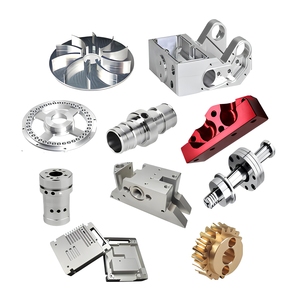
Cnc Machining Service Custom Cnc Parts CNC Turning Spare Parts Custom Medical Parts
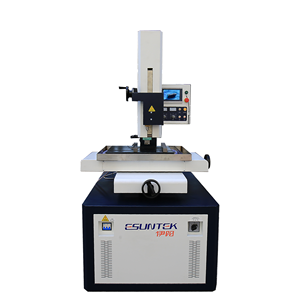
ESUNTEK Small Hole Drilling EDM Machine High Precision and Speed Reliable for Aerospace Medical Device & Industrial Manufacturing
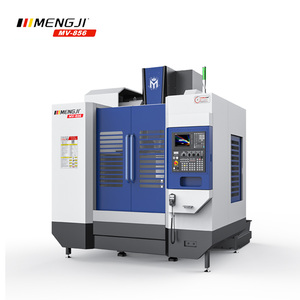
MV-856 X800 Y560 Z560 Vertical High Speed CNC Milling Machine GSK Control BT40 Spindle Taper for 3C Parts Medical Instruments
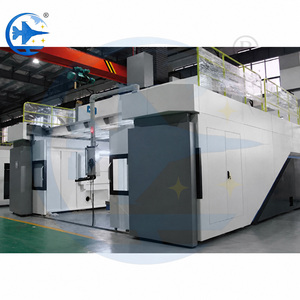
High Speed 5 Axis Simultaneous CNC Milling Machine Efficient Metal Cutting Center for Medical Implants and Dental
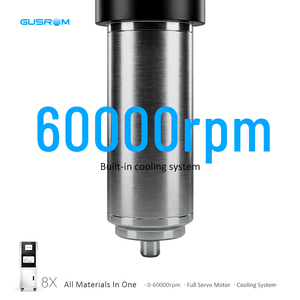
GUSROM GSM 8X Vertical 3+2 Axis 60000rpm Dental Milling Machine High Speed High Efficiency Low Vibration Multi-material High
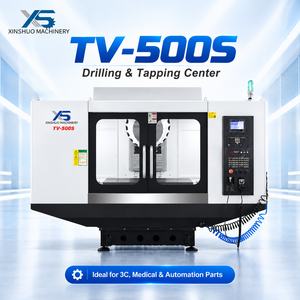
Cost Effective High Speed Tapping Center BT30 CNC Vertical Machining Center 20000rpm for Medical Automation Metal Parts
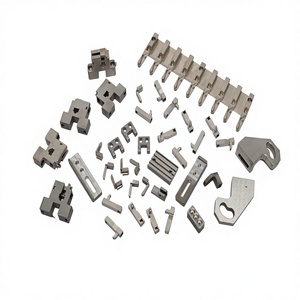
High Speed Precision Micro Machining for Electronic Medical Components Processing Services
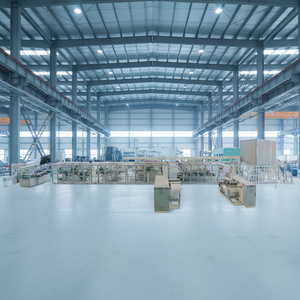
Intelligent High Speed Full Servo Medical Pads Making Machine
Engineering Excellence in Medical Grade High-Speed Contract Machining
Delivering micron-level accuracy, documented lot traceability, and biocompatible material handling for global orthopedic, surgical robotic, and dental OEMs.
FDA-Registered & ISO 13485 Quality Infrastructure
Greyack Medical operates sophisticated contract manufacturing plants adhering rigorously to ISO 13485 quality management systems and FDA 21 CFR Part 820 regulations. Our cleanroom-compatible production cells and strict process validation (IQ/OQ/PQ) ensure that every surgical component—from orthopedic bone screws to robotic end-effectors—meets full design history file (DHF) compliance.
We provide complete material test reports (MTRs), full heat-lot traceability, coordinate measuring machine (CMM) inspection protocol, and certified passivated surface verification for worldwide compliance.
Sub-Micron Machining & High-Speed Spindle Technology
Precision in human healthcare is measured in microns. Utilizing state-of-the-art 5-axis simultaneous CNC milling centers and ultra-high-speed Swiss turning lathes running up to 60,000 RPM spindle speeds, we machine highly complex, organic geometries without inducing thermo-mechanical stress on sensitive biometals.
Our low-vibration high-speed cutting technology eliminates micro-burrs and reduces surface roughness down to Ra 0.2 µm, significantly decreasing the need for manual polishing and ensuring structural fidelity in fatigue-critical implants.
Biocompatible Metallurgy & Polymer Expertise
Machining medical-grade alloys requires localized heat dissipation and optimized chip removal strategies. We specialize in processing difficult-to-machine materials widely specified by medical OEMs:
- Titanium Alloys: Ti-6Al-4V ELI (Grade 23) & Commercial Pure (CP) Titanium for orthopedic and dental implants.
- Cobalt-Chrome: CoCrMo alloys for load-bearing knee joint replacements and spinal discs.
- Surgical Stainless Steels: 316L, 17-4PH, 455, and Custom 465 for endoscopic cutters and rigid surgical tooling.
- Implatable Polymers: PEEK OPTIMA, Radel®, and UHMWPE engineered for spinal spacers and structural housings.
Secondary Finishing, Passivation & Assembly
Machining is only one phase of medical manufacturing. Greyack Medical delivers complete turnkey solutions including automated citric and nitric passivation (complying with ASTM A967 & ASTM F86), electro-polishing, laser marking (UDI compliance), cleanroom ultrasonic cleaning, and sub-assembly of silicone-handled or ratcheting surgical devices.
Future Trends in Medical Machining & Implant Manufacturing
How next-generation high-speed CNC technology, hybrid additive-subtractive workflows, and micro-precision engineering are redefining medical device production.
1. Hybrid Additive & 5-Axis Subtractive Machining
The medical device landscape is shifting rapidly toward hybrid manufacturing. 3D Powder-Bed Fusion (PBF) laser sintering creates highly complex porous titanium structures that encourage bone ingrowth (osseointegration) for hip and spinal implants. However, critical mating surfaces, thread channels, and joint articulation faces still demand sub-micron geometric accuracy.
High-speed 5-axis CNC machining bridges this gap by post-processing additive-manufactured blanks, achieving optimal surface finish while preserving delicate porous lattice geometries.
2. Micro-Swiss Machining for Surgical Robotics
As minimally invasive surgery (MIS) and robotic-assisted surgical platforms (RAS) gain global dominance, component dimensions are shrinking while complexity escalates. Modern robotic end-effectors, micro-grippers, and flexible wrist joints require micro-machining with tolerances tighter than ±0.002 mm.
Utilizing high-RPM Swiss lathe turning centers with live tooling, contract manufacturers can now execute micro-flute grinding and complex shaft turning in a single operation, eliminating secondary setup variations.
3. Cryogenic & High-Pressure Coolant Machining
Machining medical-grade titanium (Ti-6Al-4V) and cobalt-chrome often leads to localized heat buildup, reduced tool life, and microscopic surface metallurgical degradation. The industry is adopting liquid carbon dioxide ($CO_2$) and high-pressure cryogenic cooling systems directly delivered through the spindle cutting edge.
This technique drastically reduces thermal shock, prevents surface micro-cracking, extends carbide tool performance, and eliminates the use of chemical cutting fluids that could compromise biocompatibility.
4. Closed-Loop In-Process Metrology & AI Quality Control
To fulfill strict regulatory frameworks, global medical OEMs demand real-time quality verification. Modern high-speed machining centers now integrate optical laser measurement probes and closed-loop feedback algorithms.
If micro-wear on a cutting tool is detected during milling, the machine automatically offsets the tool path in real-time, ensuring 100% zero-defect production runs across multi-thousand lot batches.
Medical Material Machining Parameters & Standard Tolerances
Technical reference table for medical device engineers and procurement directors evaluating supplier capabilities.
| Medical Material Grade | Common Medical Application | Machining Tolerance Range | Surface Roughness (Ra) | Recommended Secondary Finishing |
|---|---|---|---|---|
| Titanium Ti-6Al-4V ELI | Orthopedic Bone Screws, Trauma Plates, Hip Stems | ±0.003 mm to ±0.005 mm | Ra 0.2 µm – 0.4 µm | Anodizing (Type II & III), Citric Passivation |
| Cobalt-Chrome (CoCrMo) | Joint Replacements, Spinal Discs, Dental Cores | ±0.002 mm to ±0.005 mm | Ra 0.1 µm – 0.3 µm | High-Mirror Electropolishing, Passivation |
| Stainless Steel 316L / 17-4PH | Surgical Instruments, Endoscopic Tooling, Handles | ±0.001 mm to ±0.004 mm | Ra 0.2 µm – 0.8 µm | Nitric/Citric Passivation, Laser Etching |
| PEEK (Polyether ether ketone) | Spinal Interbody Fusion Cages, Cranial Implants | ±0.005 mm to ±0.010 mm | Ra 0.4 µm – 0.8 µm | De-burring, Ultrasonic Solvent Cleaning |
| Custom 465 Stainless | High-Torque Driver Bits, Ratcheting Tools | ±0.002 mm to ±0.005 mm | Ra 0.2 µm – 0.4 µm | Vacuum Heat Treatment, Passivation |
Global OEM Procurement Trends in Medical Contract Manufacturing
Navigating EU MDR, supply chain consolidation, risk mitigation, and total cost of ownership (TCO) in precision sourcing.
Consolidation to Turnkey Single-Source Suppliers
Medical OEMs are actively reducing supplier fragmentation. Managing separate vendors for raw material acquisition, CNC machining, flute grinding, surface passivation, laser marking, and sterile packaging adds regulatory risk and administrative overhead.
Leading OEMs are shifting toward tier-1 contract manufacturers like Greyack Medical that provide comprehensive end-to-end capabilities under one single ISO 13485 umbrella, compressing lead times from months to weeks.
Rigorous EU MDR & FDA QMSR Compliance Demands
With the implementation of the European Union Medical Device Regulation (EU MDR 2017/745) and the FDA’s Quality Management System Regulation (QMSR) alignment with ISO 13485, regulatory scrutiny has reached an all-time high.
Sourcing officers must verify that contract manufacturers maintain complete lot traceability, documented process validation, validated wash processes, and robust CAPA systems to survive unannounced regulatory audits.
Nearshoring & Dual-Sourcing Risk Mitigation
Geopolitical disruptions and logistics bottlenecks have exposed the vulnerability of single-region supply chains. Global medical OEMs are establishing dual-sourcing models, partnering with CE-certified manufacturers who maintain flexible production capacities across redundant manufacturing sites.
Design-for-Manufacturability (DFM) Early Engagement
Procurement teams are involving manufacturing engineers during early-stage device design. By optimizing geometry, radius callouts, and thread profiles before tooling begins, DFM collaboration reduces unit cost by up to 30% while improving fatigue life.
Frequently Asked Questions by OEM Purchasing Teams
Answers to common engineering, quality assurance, regulatory, and logistics queries.
Q Is your medical machining facility CE certified and ISO 13485 accredited?
Yes. Greyack Medical maintains an active ISO 13485 certified quality management system specifically tailored for medical devices and surgical instruments. Our manufacturing facilities are FDA registered, and our export operations comply fully with CE marking standards and EU MDR technical file documentation requirements. Audit certificates are made available to prospective buyers during supplier qualification.
Q What minimum cutting tolerances can your high-speed CNC machines achieve?
Our advanced multi-axis 5-axis CNC milling centers and Swiss turning machines routinely achieve tight tolerances down to ±0.001 mm (1 micron) for micro-machined electronic/robotic components and ±0.003 mm for complex orthopedic implants. All tolerances are verified in-process using calibrated laser probes and Zeiss CMM systems.
Q What documentation is included with exported medical component shipments?
Every production lot delivered to global OEMs includes a comprehensive Quality Documentation Package containing: Certified Raw Material Test Reports (MTRs with chemical/physical analysis), CMM Dimensional Inspection Data, Certificate of Conformance (CoC), Passivation/Heat-Treatment Validation Certificates, and complete Lot Traceability records to support your Device History Record (DHR).
Q How do you prevent cross-contamination during titanium and stainless steel machining?
We operate segregated machining cells and dedicated coolants for implantable biometals (Titanium Ti-6Al-4V ELI, CoCr) versus industrial alloys. All parts undergo rigorous multi-stage ultrasonic cleaning using deionized water, followed by validated nitric or citric passivation according to ASTM A967 standards to eliminate free iron contaminants.
Q Can you assist with early-stage prototyping and Design for Manufacturability (DFM)?
Absolutly. Our senior medical application engineers review 3D CAD models (STEP/IGES) and 2D engineering drawings to provide DFM feedback. We recommend tool-path optimizations, radius adjustments, and material selection refinements to speed up prototyping cycles and lower mass-production costs.
Q What is the typical lead time for custom high-speed medical machining orders?
Rapid prototype components can be produced in as little as 5 to 10 working days. Full production runs under validated IQ/OQ/PQ protocols typically range from 4 to 6 weeks depending on secondary processes such as coating, passivation, heat treatment, and cleanroom packaging.
Q Do you offer silicone-handled and ratcheting surgical instrument manufacturing?
Yes. We specialize in custom MedTorque style silicone-overmolded handles, fixed coupling shafts, torque-limiting mechanisms, and ratcheting handles designed for orthopedic and spinal surgical sets. These components withstand repeated autoclave sterilization cycles.
Partner with a Certified Medical Machining Exporter
Transition your critical orthopedic, spinal, dental, or surgical robotics program into validated production. Upload your drawings today for an engineering review and quotation.
Send an Inquiry