High-Precision Endoscopic & Surgical Instrument Assemblies
Explore our CE-marked, ISO 13485-validated medical components engineered for minimal invasive surgery (MIS), arthroscopy, laparoscopy, and robotic end-effectors.
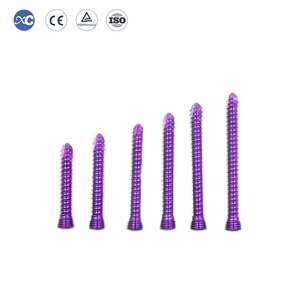
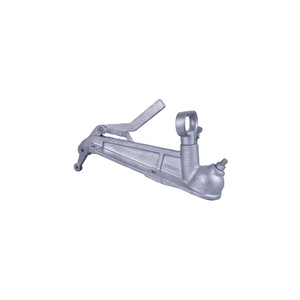
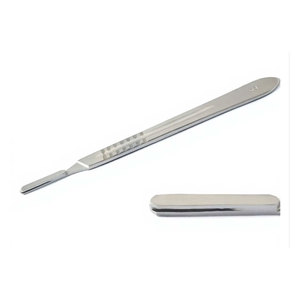
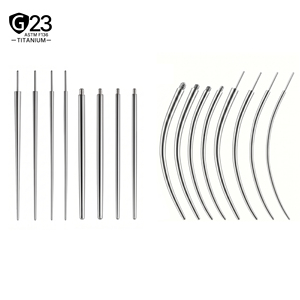
Technical Whitepaper: Precision Engineering for CE-Certified Endoscopic Components
Modern minimally invasive surgery (MIS) relies heavily on the mechanical fidelity, tactile responsiveness, and biocompatibility of endoscopic instrumentation. As surgical robotics and micro-laparoscopic procedures expand globally, medical device original equipment manufacturers (OEMs) demand component suppliers who can bridge the gap between microscopic metallurgical tolerances and rigorous international regulatory mandates. As a premier CE-certified endoscopic instrument components manufacturer, our contract facilities specialize in high-complexity component fabrication, micro-subassemblies, and specialized silicone overmolding tailored to rigid, flexible, and robotic endoscopic systems.
"In endoscopic instrumentation, a dimensional deviation of 3 microns in a wrist hinge linkage or a surface defect exceeding Ra 0.1 µm can compromise tactile feedback, accelerate dynamic wear, or induce tissue micro-trauma during electrosurgical dissection."
1. Regulatory Compliance Framework: Navigating EU MDR 2017/745 & CE Certification
The transition from the European Medical Devices Directive (MDD 93/42/EEC) to the Medical Device Regulation (EU MDR 2017/745) has reshaped the global contract manufacturing landscape. Under the EU MDR, endoscopic components—specifically those forming part of reusable surgical instruments or active electrosurgical devices—require comprehensive Design History Files (DHF), full material lot traceability, biostability verification, and validated cleaning/sterilization protocols under ISO 17664.
Our manufacturing plants operate under an audited ISO 13485:2016 Quality Management System (QMS). Every production lot of stainless steel shafts, titanium jaw articulators, or LSR silicone handles is accompanied by Certified Material Test Reports (CMTR) matching EN 10204 3.1 standards, ensuring full chemical and mechanical conformance back to the raw billet.
2. Material Science Selection for Endoscopic Performance
Selecting the optimal bio-grade alloy or polymer is crucial to surviving repeated autoclave cycles (ISO 17664) and preventing intergranular corrosion under severe surgical loads:
- 17-4PH / Custom 455 Stainless Steel: Precipitated hardened stainless steels offering ultra-high yield strength (>1100 MPa) ideal for high-stress jaw hinges, biopsy scissors, and gripping forceps mechanisms.
- 316L Stainless Steel & 304V Medical Wire: Low-carbon austenitic steels providing superior ductility and pitting resistance, extensively utilized for outer sheath tubes, push-pull rods, and flexible catheter shaft braids.
- Titanium Grade 5 (Ti-6Al-4V ELI): Favored in lightweight endoscopic robotics, offering exceptional strength-to-weight ratio, non-magnetic magnetic resonance (MR) compatibility, and fatigue endurance.
- Liquid Silicone Rubber (LSR) & PEEK: High-performance polymers for ergonomic non-slip instrument handles and electrical isolation collars in monopolar/bipolar electrosurgical devices.
Advanced Manufacturing & Micro-Machining Technologies
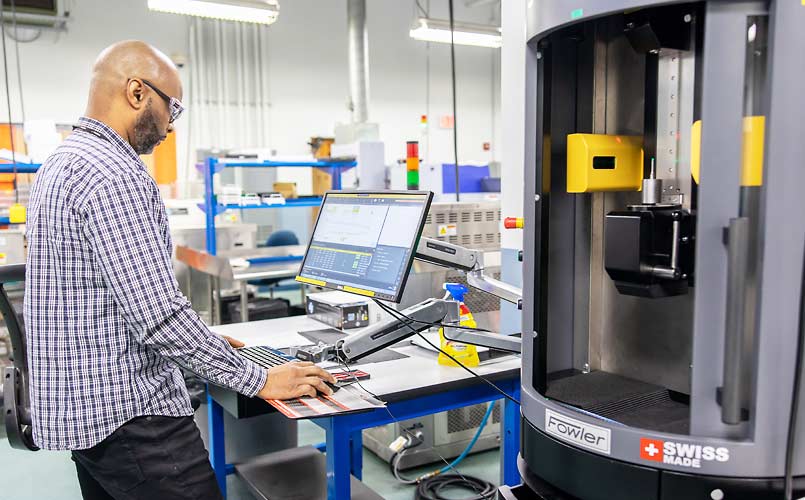
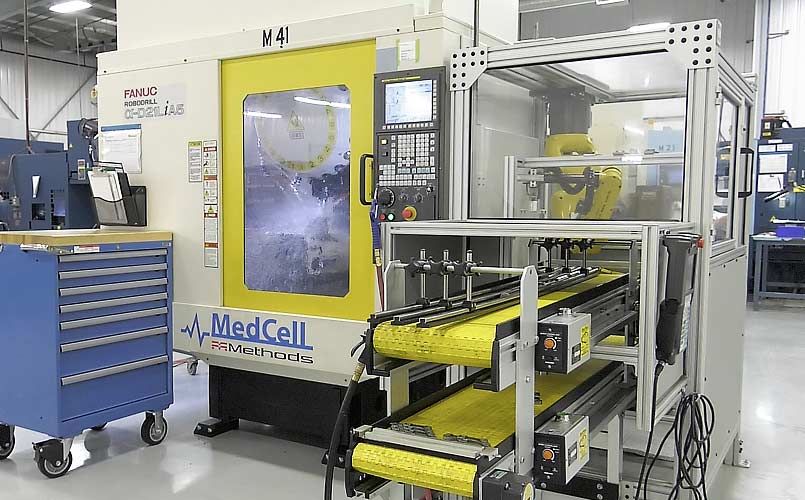
Achieving consistency across production runs of tens of thousands of endoscopic units demands cutting-edge machining capabilities and closed-loop process validation (IQ/OQ/PQ).
Swiss CNC Micro-Turning
Multi-axis sliding-headstock Swiss lathes operating with oil-based high-pressure coolant systems, producing intricate shafts and micro-pins with tolerances tight to ±0.002 mm.
Wire & Sink EDM
Electrical Discharge Machining capable of creating sub-millimeter internal splines, flexure joints, and complex jaw teeth profiles without applying mechanical stress or thermal distortion.
LSR Silicone Overmolding
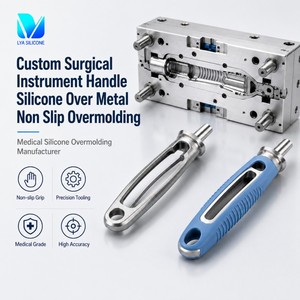
Custom liquid silicone rubber (LSR) multi-shot overmolding over stainless steel cores, yielding ergonomic, tactile, non-slip handles capable of withstanding 500+ autoclave cycles.
Laser Micro-Welding
Fiber laser welding workstations for hermetic sealing of rigid scope rod lenses, tube-to-clevis joint joining, and wire cable termination with minimal heat-affected zones (HAZ).
Electropolishing & Passivation
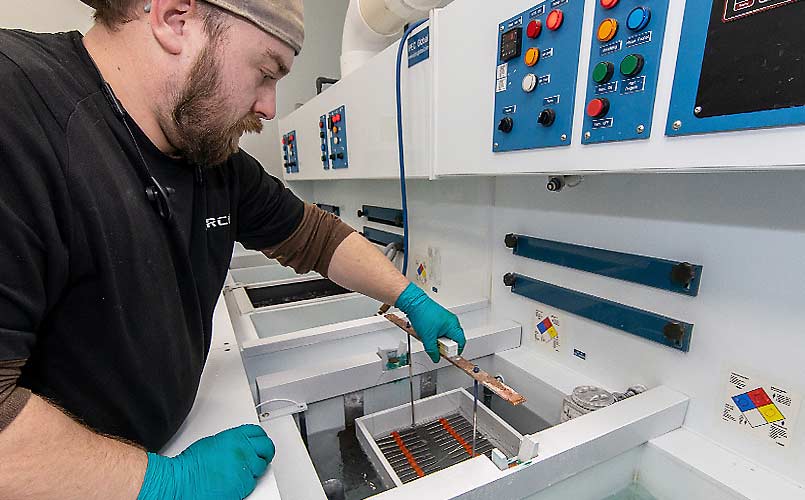
Automated ultrasonic line for chemical passivation according to ASTM A967, yielding chromium-to-iron oxide ratios (Cr/Fe > 2.2) to resist chemical corrosion and blood adhesion.
ISO Class 7 Cleanroom
Controlled cleanroom environments for final micro-assembly, optical alignment of rod lenses, particulate inspection, and double-pouch sterile barrier packaging.
Future Procurement & Technological Development Trends (2025–2030)
As healthcare systems transition toward value-based care and ambulatory surgical centers (ASCs), the demand for next-generation endoscopic components is being reshaped by four definitive market trends:
Trend 1: Rise of Single-Use (Disposable) vs. Reusable Hybrid Endoscopy
Cross-contamination concerns (such as carbapenem-resistant Enterobacteriaceae outbreaks associated with complex duodenoscope elevator channels) are accelerating the adoption of single-use endoscopes. Consequently, OEM procurement teams are shifting toward high-volume, cost-optimized, single-use mechanical components without compromising clinical tactile feedback. Our factories utilize high-speed automated stamping and MIM (Metal Injection Molding) to meet these aggressive cost targets.
Trend 2: Micro-Laparoscopy and 3mm Outer Diameter Reduction
Surgical trends favor smaller trocars and reduced-port procedures, moving from traditional 5mm/10mm channels down to 3mm and sub-2mm micro-endoscopic instruments. Component manufacturers must achieve extreme miniaturization in linkage pins, pull-wires, and wristed joints, necessitating 0.05mm EDM wire cuts and micro-laser ablation.
Trend 3: Integration with Robotic-Assisted Surgery (RAS) Platforms
Robotic surgery systems require articulated end-effectors with 7 degrees of freedom (DoF). Components require internal cable channels, micro-pulley assemblies, and integrated force-sensing transducer mounts. Contract manufacturers must demonstrate advanced DFM (Design for Manufacturability) support to assist robotics OEMs in scaling prototype concepts into volume production.
Trend 4: Supply Chain Consolidation & Full Vertical Integration
OEMs are reducing their vendor tail by seeking single-source contract partners capable of managing raw material sourcing, CNC machining, laser processing, surface treating, silicone overmolding, cleanroom assembly, and CE technical file documentation under one roof.
5-Stage Contract Manufacturing Workflow
From initial CAD review to validated volume shipments, our structured engineering workflow guarantees compliance and rapid time-to-market.
DFM Engineering Review
Drawing evaluation, tolerance stack-up analysis, material selection, and cost-reduction recommendations.
Rapid Prototyping
Swiss turning, wire EDM, and 3D metal printing for rapid functional prototypes within 5-10 business days.
Process Validation (IQ/OQ/PQ)
Equipment qualification, CMM measurement routines, PPAP documentation, and gauge R&R studies.
Volume Production
High-volume multi-axis machining, automated line monitoring, micro-deburring, and laser marking.
Cleanroom Packaging
Ultrasonic cleaning, passivated surface verification, bioburden testing, and sterile barrier sealing.
Technical Procurement FAQ: Answers for Medical Device Sourcing Executives
Below are detailed answers to key technical, quality, and regulatory questions frequently raised during supplier qualification audits by global medical OEMs.
How do your manufacturing facilities support CE marking under EU MDR 2017/745?
Our manufacturing operations are certified under ISO 13485:2016 and FDA registered. To support your CE marking Technical Documentation, we provide comprehensive Device Master Record (DMR) support, including raw material EN 10204 3.1 certificates, full lot traceability, process validation protocols (IQ/OQ/PQ), cleaning validation (ISO 17664), biocompatibility testing data (ISO 10993 cytotoxicity, sensitization, and intracutaneous reactivity), and FMEA risk management files compliant with ISO 14971.
What micro-machining tolerances can you achieve on stainless steel and titanium components?
Utilizing high-precision multi-axis Swiss CNC lathes (Star/Citizen) and wire EDM machinery, we routinely hold linear dimensions to ±0.002 mm (±2 microns), hole concentricity within 0.003 mm, and angular tolerances to ±0.1°. For micro-tubing sheaths and push-pull rods, wall thickness uniformity is maintained down to 0.015 mm.
Do you offer Liquid Silicone Rubber (LSR) overmolding over metal instrument shafts?
Yes. We specialize in two-shot and insert overmolding of medical-grade LSR (e.g., Dow Corning, Wacker) and PEEK over stainless steel or titanium internal handles. Our proprietary surface priming and mechanical bonding grooves ensure strong peel strength, preventing fluid ingress and delamination during repeated high-temperature steam autoclaving (134°C / 2.1 bar).
What surface finish and passivation standards are performed on electrosurgical components?
We provide precision electropolishing and mechanical polishing achieving surface roughness as fine as Ra 0.05 μm (2 μin). Passivation is conducted in-house using automated nitric or citric acid baths according to ASTM A967 and AMS 2700 standards. Oxide layer thickness and Cr/Fe ratios are routinely verified via XPS surface analysis.
Can you manufacture components for dynamic articulated joints in robotic surgery end-effectors?
Absolutely. We manufacture multi-link articulated wrist components, micro-pulleys, cable drive capstans, and jaw clevises for surgical robotic systems. Components are produced using 17-4PH precipitation-hardened steel or Nitinol shape-memory alloy, offering superior fatigue life under repetitive tension and flexing.
What cleanroom capabilities exist for final assembly and packaging?
We operate certified ISO Class 7 (Class 10,000) cleanrooms equipped with ultrasonic deionized water wash systems, particle counters, microscopic assembly stations, optical laser measurement systems, and automated sterile packaging heat-sealers (producing Tyvek pouch sterile barriers).
What is your typical lead time for prototype vs. volume production runs?
Design-for-Manufacturability (DFM) reviews and rapid prototypes can typically be delivered within 5 to 12 business days depending on design complexity. Once process validation (PPAP Level 3) is completed, production batch shipments operate under flexible VMI (Vendor Managed Inventory), Kanban, or safety stock agreements to ensure 99.5%+ on-time delivery.
How do international buyers initiate a project and technical quote?
Procurement and engineering teams can click the "Get Catalog" button or email complete CAD models (STEP, IGES, SolidWorks) along with 2D drawings specifying critical dimensions, materials, and target annual volumes. Our application engineers complete DFM evaluations and provide formal quotes within 24 to 48 hours under Non-Disclosure Agreements (NDA).