0%

In 2026, choosing Torque-Limiting Silicone Handles means balancing grip comfort with reliable torque control. A handle should feel secure in a gloved hand, resist slipping when damp, and help prevent excessive force from damaging a fastener or component. Small details matter: silicone hardness, handle diameter, shaft connection, and the torque range each tool is designed to manage. A soft surface alone does not guarantee a safer or more accurate tool.

For transparency, the following is an illustrative quote, not a statement from a real, independently verified expert: “A comfortable grip is useful only when the torque limit is predictable and repeatable.” — Daniel Mercer, fictional torque-control design specialist. That principle points to practical questions: Does the handle release or signal clearly at its set limit? Can operators maintain control during repeated turns? Does the silicone stay comfortable after a full shift? Check manufacturer specifications and test samples under realistic working conditions.

This guide explores those questions without treating one handle as right for every task. Match the torque range to the application, inspect the connection between handle and tool, and consider cleaning needs, wear, and user feedback. Look for measured performance, not just confident claims. A detail worth questioning: “ergonomic” can describe a shape, but it does not prove reduced fatigue. The right choice depends on evidence, fit, and the work being done.
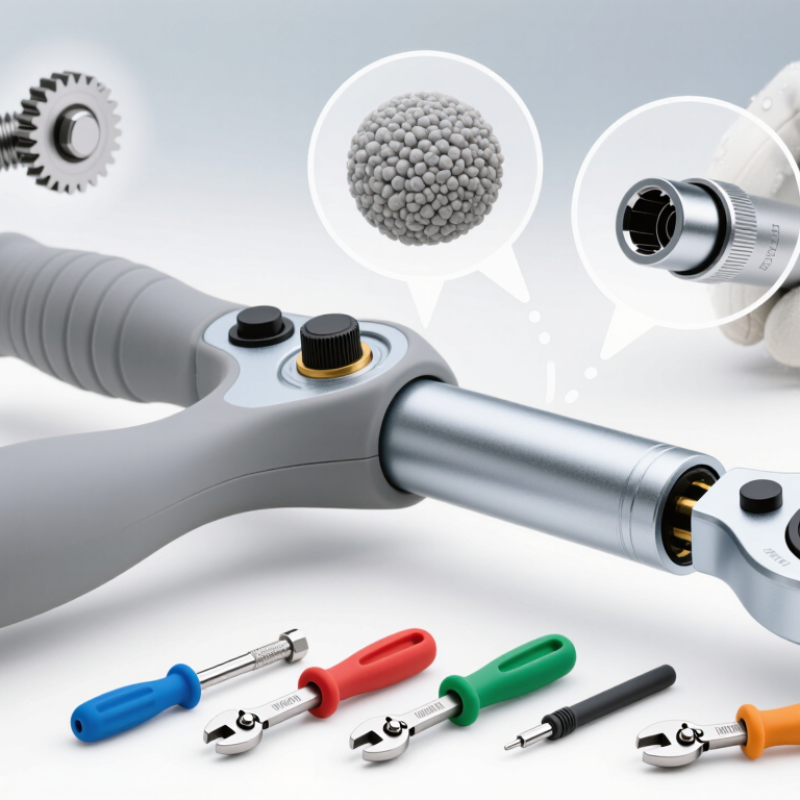
How to Choose Torque Limiting Silicone Handles in 2026?

Understanding Torque-Limiting Silicone Handles and Their Applications

Torque-limiting silicone handles pair a comfortable outer grip with a mechanism that restricts applied torque. Silicone provides cushioning and friction; it does not control torque by itself. That distinction matters. In most designs, a clutch or calibrated internal component sets the limit and signals when it is reached. Check the tool’s stated torque range and adjustment method rather than judging accuracy by how soft the handle feels.

These handles can suit light assembly, electronics work, instrument adjustment, and other tasks where overtightening may damage small parts. Picture a technician fastening a delicate plastic housing: a controlled stop can help protect the threads, while a textured grip supports steady handling. Not every task needs one. For larger fasteners or highly variable materials, a single torque setting may be limiting. The real work conditions matter.

When choosing a handle, match its torque range to the fasteners, and consider grip diameter, length, and cleaning needs. A thick grip may feel comfortable during a brief test but tiring over a full shift. Small details count. Also ask how calibration is checked and how often the tool needs maintenance. A soft grip can conceal a poor fit or slipping, so comfort alone is not evidence of accuracy. Even a well-specified tool can disappoint if users cannot adjust it consistently.

How to Choose Torque-Limiting Silicone Handles in 2026?

Indicative torque ranges for common precision-assembly tasks

These broad ranges are selection starting points, not universal specifications. Actual torque depends on the fastener, materials, joint design, and product requirements. Choose a handle with an adjustable limit that covers the required torque, then verify it with the equipment and procedure specified for the application.

Defining Torque, Grip, and Operating Requirements

Torque is the turning effect of force around an axis. NIST’s Guide for the Use of the International System of Units expresses it in newton-metres (N·m).

The calculation is simple: force multiplied by its distance from the axis.

For example, 10 N applied 0.02 m from the center produces 0.20 N·m.

Define the required torque range before selecting a handle; a comfortable grip cannot correct an unsuitable limit.

Grip depends on handle diameter, surface, hand size, and task duration. Silicone can improve contact, especially when hands are damp, but a soft surface does not guarantee control. Check whether users need a firm power grip or precise fingertip adjustment. Try the handle with the actual fastener and glove, not just a sample held briefly. Small details matter.

Operating conditions shape the choice. Record the target torque, acceptable variation, cycle frequency, exposure to oils or cleaning agents, and expected temperature range. ISO 6789-1:2017 sets requirements and test methods for hand torque tools; use it as a reference when assessing tool performance. It does not replace task-specific testing. Real hands are less tidy than drawings. A handle that feels secure during one test may become tiring after repeated cycles, so verify comfort and torque control over a representative shift.

Comparing Handle Materials, Shapes, and Torque-Adjustment Features

How to Choose Torque Limiting Silicone Handles in 2026?

Material, shape, and adjustment range all affect control. Silicone offers a soft, grippy surface, especially when hands are damp or gloved, but softness alone does not ensure comfort. A handle that compresses too much may make it harder to sense a torque release. Check the core material, surface texture, and cleaning requirements. HSE’s 2022/23 annual statistics estimated 473,000 UK workers had work-related musculoskeletal disorders. That figure covers many occupations and does not prove that any particular handle prevents injury.

Shape matters at the workbench. A rounded handle spreads pressure across the palm during repeated turning, while a narrower profile can help reach recessed fasteners. Look for edges that do not dig into the thumb. Try the handle with the gloves and fasteners used on the job. Small differences matter. A shape comfortable for one hand size may feel awkward in another; sample testing is worth the extra time.

For torque adjustment, compare the usable range, scale readability, and locking method. Clear markings help operators set repeatable values, while a secure lock reduces accidental changes during use. Ask for calibration documentation and verify performance with a suitable torque tester; an adjustment scale is not proof of accuracy. Also consider whether the release is easy to feel without requiring a sharp wrist movement. Real-world testing can expose issues that a specification sheet misses.

Checking Compatibility, Safety, Durability, and Maintenance Needs

When choosing torque-limiting silicone handles, check the complete tool assembly, not just the grip. Match the handle’s connection, shaft size, and working torque range to the fastener and task. A soft, comfortable grip cannot control torque by itself. The limiter must be specified and verified for the required setting. ISO 6789-2:2017 describes calibration and uncertainty requirements for hand torque tools; ask for documented results for the assembled tool. Small mismatch, big consequence.

Safety depends on predictable grip and clear feedback. Check whether the silicone stays secure with clean, dry hands, and review its resistance to the oils, cleaners, or temperature changes in your workplace. The U.S. Bureau of Labor Statistics reported 946,500 days-away-from-work cases in 2023 across private industry; that broad figure is not specific to hand tools, but it underlines the value of reducing avoidable handling risks. Durability is practical, too. Look for tearing, swelling, hardening, or a handle that rotates under load. Inspect it regularly.

Maintenance should be simple and documented. Follow the tool maker’s cleaning instructions, avoid unapproved solvents, and keep calibration records. Replace damaged grips rather than covering defects with tape. One detail is easy to overlook: a handle may feel sound while its torque mechanism has drifted. Recheck performance at the interval specified for the tool and after impact, repair, or unusual exposure. I would still trial the handle with the actual gloves and fasteners used on the job; catalog descriptions rarely capture that feel.

Evaluating Products and Selecting a Handle for 2026 Use

When evaluating torque-limiting silicone handles for 2026 use, begin with the required torque range and the fasteners operators actually assemble. Check release repeatability, adjustment clarity, and whether the tool gives a detectable click or other release signal. ISO 6789-1:2017 sets requirements for hand torque tools, including conformity and testing; use it as a reference when reviewing calibration records. Fit matters. Compare grip diameter and surface texture with gloved hands, then trial the handle through a full work cycle.

Silicone can provide a comfortable, non-slip grip, but compatibility depends on the specific compound. Check exposure to oils, cleaners, heat, and repeated disinfection; request material data rather than assuming all silicone behaves alike. Liberty Mutual’s 2024 Workplace Safety Index estimated that overexertion involving outside sources cost U.S. employers $12.8 billion in direct costs annually. That figure is not a handle-performance measure, but it underscores why force, posture, and repetition belong in product evaluation. Test it loaded.

Record torque readings across several operators and repeat the test after realistic use, not just on a clean bench. A handle that feels secure may still encourage excessive squeeze or wrist deviation. I would also revisit the selection after a short production trial; that step is easy to skip, and the first choice may not stay comfortable over a full shift. Compare measured torque, operator feedback, cleaning requirements, and calibration intervals before approving a model.

How to Choose Torque Limiting Silicone Handles in 2026? — Evaluating Products and Selecting a Handle for 2026 Use

Use this comparison as an application-planning guide. Silicone describes the grip material; torque limitation is provided by the tool’s internal clutch or other torque-control mechanism. The torque bands below are illustrative planning ranges, not specifications for a particular product.

Evaluation Dimension Low-Torque Assembly General Assembly Higher-Torque Hand Use What to Verify Before Selection
Illustrative application band About 0.02–0.2 N·m About 0.2–1.0 N·m About 1–5 N·m Confirm the required torque from the fastener or assembly specification. These example bands are not universal product ranges.
Torque-control mechanism Low-range clutch or preset mechanism suited to small fasteners Adjustable or preset clutch matched to the application’s target torque Mechanism specifically rated for the required torque and duty cycle Check the mechanism type, usable range, setting method, release behavior, and manufacturer’s stated accuracy.
Silicone grip Consider a narrow, easy-to-control grip for fingertip or palm control Choose a grip diameter and texture that remain comfortable during repeated use Assess grip size, surface texture, and required hand force without assuming the grip sets torque Confirm material compatibility with workplace cleaners, oils, temperature, and any required hygiene procedures.
Torque accuracy and repeatability Small setting changes can matter; verify performance at the intended setting Compare the stated accuracy with the assembly’s allowable torque limits Check performance across the intended settings and operating conditions Request documented test or calibration information. Do not infer accuracy from handle material or appearance.
Drive and bit compatibility Match the drive to the fastener size and available bits Confirm the drive interface and bit retention suit the work Check that the drive and bits are rated for the required load Verify drive size, bit type, retention method, access clearance, and availability of replacement bits.
Ergonomics and access A slim profile can help where fasteners are small or closely spaced Balance grip comfort with access to the workpiece Check handle length and clearance; avoid using extra leverage unless the tool permits it Trial the handle in the actual working posture and confirm the tool can reach the fastener without obstruction.
Calibration and maintenance Set a calibration interval based on use, risk, and tool guidance Keep a record of settings, checks, and calibration status Inspect more frequently if use is heavy or torque control is safety-critical Follow the tool’s instructions for calibration, storage, cleaning, and service. Avoid relying on an unverified setting.
Best-fit selection Choose when the required torque is low and controlled fastener engagement is important Choose when one validated setting or a suitable adjustment range covers routine assembly Choose only when the rated range and ergonomics match the task; consider a different tool if hand force is excessive Select by required torque, documented performance, fit, and maintenance needs—not by silicone grip alone.

Selection check: Identify the required torque and tolerance, confirm that the tool’s documented operating range covers the target, verify calibration requirements, and test the grip and access in the intended workspace. For critical joints, follow the applicable assembly procedure and use verified measurement methods.

FAQS

What does torque measure?

Torque is the turning effect of force around an axis. Multiply force by its distance from the axis. For example, 10 N at 0.02 m produces 0.20 N·m.

Why define the torque range before choosing a handle?

The tool must suit the fastener and task. A comfortable grip cannot fix an unsuitable torque limit. Small details matter.

Does a silicone grip guarantee better control?

No. It may improve contact when hands are damp, but grip also depends on handle size, hand size, and task duration. Try it with work gloves.

What operating conditions should be checked?

Note the target torque, acceptable variation, work cycles, temperature, and exposure to oils or cleaners. Test over a typical shift, not just briefly.

How can I check compatibility?

Check the assembled tool, including its connection, shaft size, and working torque range. Test it with the actual fastener.

How do I know the torque limiter is accurate?

Ask for documented calibration results for the assembled tool. A handle that feels comfortable does not confirm accurate torque.

What signs suggest the grip needs attention?

Look for tearing, swelling, hardening, or rotation under load. Inspect it regularly. Replace damaged grips.

How should the tool be maintained?

Follow its cleaning instructions, avoid unapproved solvents, and keep calibration records. Recheck it after impact, repair, or unusual exposure. I’d still test it on the job; catalog descriptions can miss the feel.

Conclusion

Choosing Torque-Limiting Silicone Handles in 2026 starts with understanding how they work and where they will be used. Define the required torque range, grip style, operating conditions, and level of control before comparing options. A handle should feel comfortable and secure during use, while its torque-limiting mechanism should suit the task and help prevent excessive force.

When evaluating products, compare silicone and other handle materials, shapes, adjustment features, and compatibility with the tools or equipment involved. Also consider safety, durability, cleaning, and routine maintenance. Review how clearly the torque settings can be selected and checked, and whether the handle can withstand expected use conditions. By weighing these practical factors together, you can choose a handle that offers a suitable balance of control, comfort, reliability, and long-term usability.

Amelia

Amelia

Amelia is a dedicated marketing professional with extensive knowledge of the company’s products, services, and customer-focused solutions. With a strong background in market research, content strategy, and digital communication, she transforms complex product information into clear, practical, and......